• 2 min read
Tesla beat deliveries — and investors still want more
Tesla delivered 480,126 vehicles in Q2, topping estimates, but the stock fell. Wednesday’s earnings now face even higher expectations.
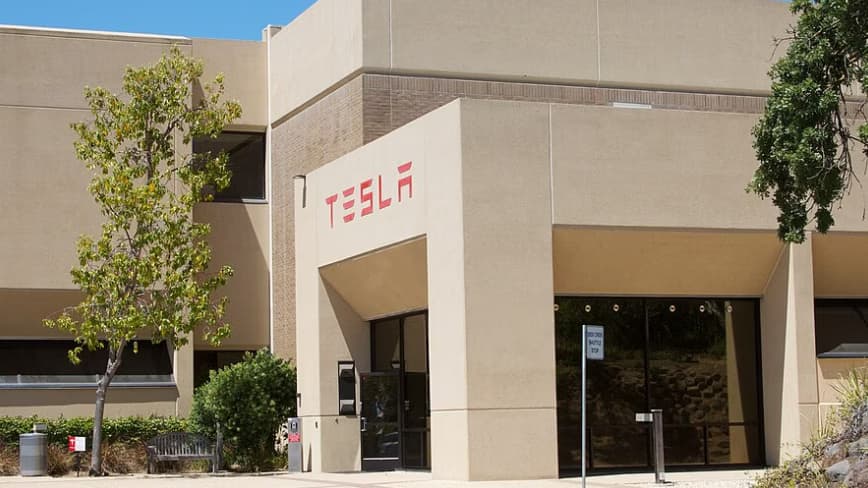
Image: TNW
Tesla delivered 480,126 vehicles in the second quarter, a 25% year-on-year increase that beat Wall Street estimates. The stock still fell, a sign that investors now treat an upside surprise as the minimum rather than a catalyst ahead of Wednesday’s earnings report.
That sets a tough backdrop for the company’s next results. If beating delivery targets did not lift the shares, simply meeting or narrowly topping earnings expectations may not be enough either.
Competition is also getting harder in Tesla’s core market. Rivian’s R2, now in production, is aimed at the $45,000 to $60,000 SUV segment — the same price band where Tesla’s Model 3 and Model Y accounted for more than 96% of its 2025 sales. Rivian still lacks the manufacturing scale to match Tesla’s volumes, but strong demand for the R2 could help it build both the capital base and credibility needed to expand. The company started R2 deliveries in June, betting that a shrinking US EV market is an opening rather than a warning sign.
Tesla’s pressure is not limited to vehicle sales. According to the source, its valuation depends heavily on businesses that are still not producing meaningful revenue, including Optimus humanoid robots, Full Self-Driving, and potential SpaceX synergies. At the same time, investor interest has shifted away from longer-dated software promises and toward hardware suppliers with clearer near-term returns.

Recommended reading
Skyworth TV buyer finds 8GB, not 32GB
The source also points to execution risks. Tesla’s Austin robotaxis crash four times more than human drivers, and the timeline for FSD continues to slip. Meanwhile, Tesla has increased its 2026 capex forecast from $20 billion to $25 billion, spending more to protect a position that investors already appear to have priced in.
In the options market, traders are pricing in a roughly 7% post-earnings move, below Tesla’s historical average of 9% in similar periods. Put skew also remains elevated, suggesting investors are paying more for downside protection than for upside bets. For Tesla, that may be the clearest signal of all: even a beat may not clear the bar.

Enterprise Editor
Marcus follows the money. He covers enterprise software, cloud architecture, and the tectonic shifts in Big Tech strategy. He translates dense earnings calls and complex M&A activity into actionable insights about where the industry is actually heading. If a tech giant makes a silent pivot, Marcus is usually the first to notice.
via TNW