• 3 min read
Ubtech puts $145,000 humanoid U1 up for sale
Ubtech has started selling its Uworld U1 humanoid robot, with prices ranging from 119,800 yuan to nearly $145,000 and more than 13,000 orders reported.
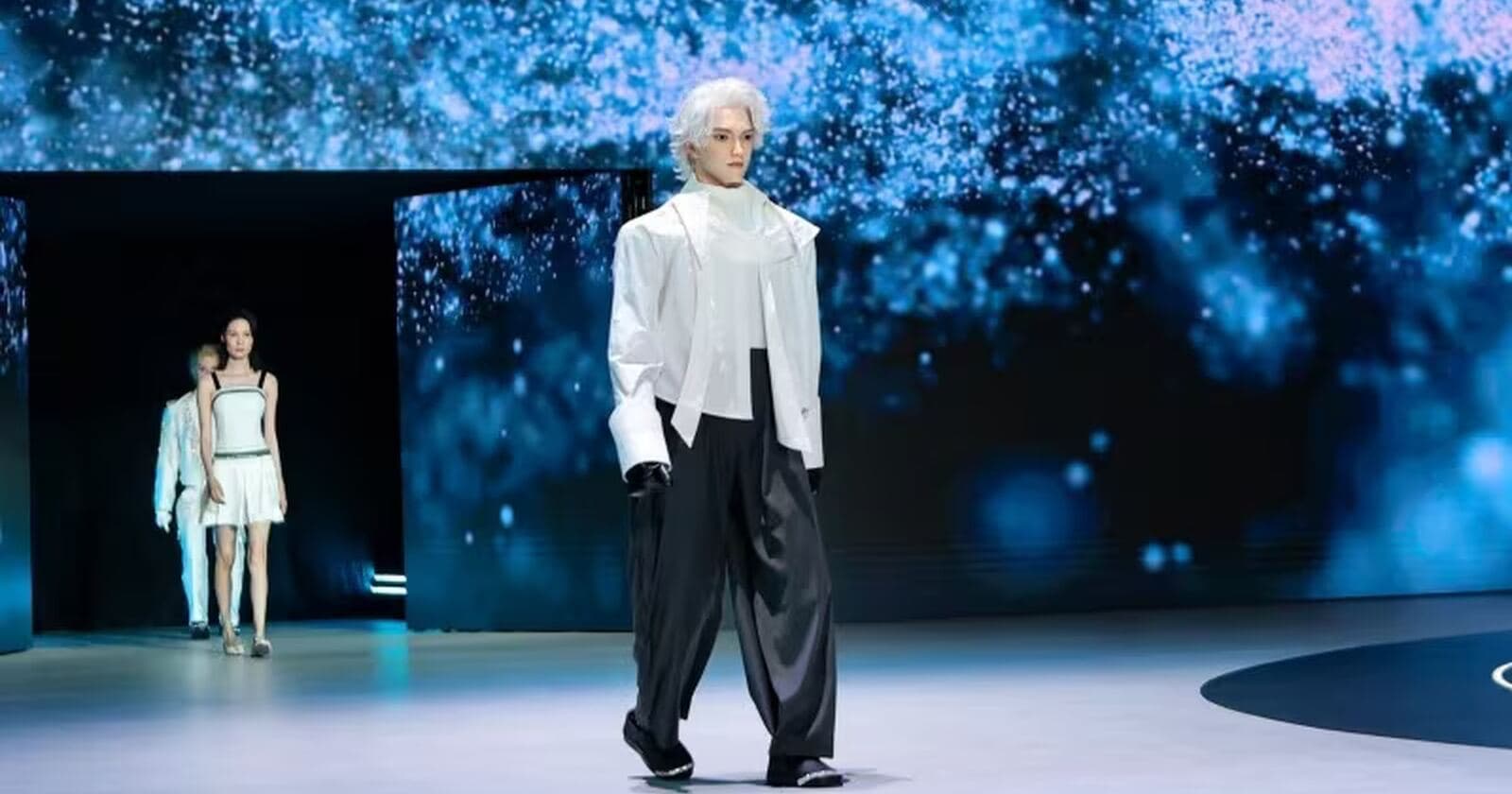
Image: ITzine
Ubtech has started selling the Uworld U1, a full-size AI-powered humanoid robot the Chinese company is positioning as a mass-produced product for the home. The price is steep even by robotics standards: the top version costs nearly $145,000. Cheaper configurations are available, but only in relative terms.
That marks a notable shift for Ubtech. Chinese humanoids have more often appeared in factories, labs, and trade shows; with the U1, the company is trying to sell a companion robot instead. On launch day, Ubtech said it had received more than 13,000 orders, while noting that some of those came from demonstration venues and government procurement.
Competition is intensifying. In China, Unitree, Fourier Intelligence, and AgiBot are pushing the category, while outside the country Tesla, Figure, and Boston Dynamics are testing their own use cases for bipedal machines. So far, though, no one has delivered a true mass-market consumer humanoid.
Ubtech’s bet is not on warehouse work or factory floors, but on emotion, voice, and facial expression. The company launched three versions:
- U1 Lite, with an upper-body design
- U1 Pro, a full-size model
- U1 Ultra, positioned as the more dynamic variant
According to Ubtech, the U1 has 88 servo motors and can reproduce up to 90% of human movements. The company also claims around 300 micro-expressions, plus blinking and a silicone exterior designed to resemble skin with pores and folds. The male version stands 183 cm tall and weighs 42 kg; the female version is 163 cm tall and weighs 35 kg.
Recommended reading
Some AI problems stay unsolvable, even with infinite data
Ubtech also highlights lip-sync performance, claiming less than 20 ms of delay between speech and mouth movement. But at the presentation, the robot did not always look as fast as the press release suggested. It answered simple questions with noticeable pauses, and some scenes felt more like a carefully staged tech demonstration than a ready-made home assistant.
That gets to the bigger challenge. Chinese companies have spent years racing to make humanoids practical, but demand still comes mainly from promotions, research, and pilot deployments. A home robot has to walk, understand speech, avoid unsettling people, and not cost as much as an apartment.
Ubtech is trying to thread that needle by pitching the U1 as an emotional companion rather than a general-purpose mechanical worker. The company lists use cases including elder care, playing with children, household tasks, and conversation. Even in 2026, that sounds less like science fiction than a search for a viable niche between expensive lab robots and far simpler mass-market home devices.
The price keeps the U1 firmly in the realm of wealthy buyers, showrooms, retail displays, and corporate demos. Even the cheapest version starts at 119,800 yuan, while the highest-end model comes in at nearly eight times that level. For the market, Ubtech’s launch is a useful test of whether humanoids can be sold as more than engineering prototypes.

AI Editor
Ava covers the rapidly evolving world of artificial intelligence, from foundational models and research labs to the real-world economics of intelligence. With a background in computational linguistics, she cuts through the hype to find out what actually works. She firmly believes that benchmarks are just marketing until reproduced in the wild.
via ITzine