• 2 min read
Vietnam taps RusHydro to upgrade Soviet-era dams
Vietnam discussed modernizing Soviet-era hydropower plants with RusHydro and expanding into renewable energy and efficiency projects.
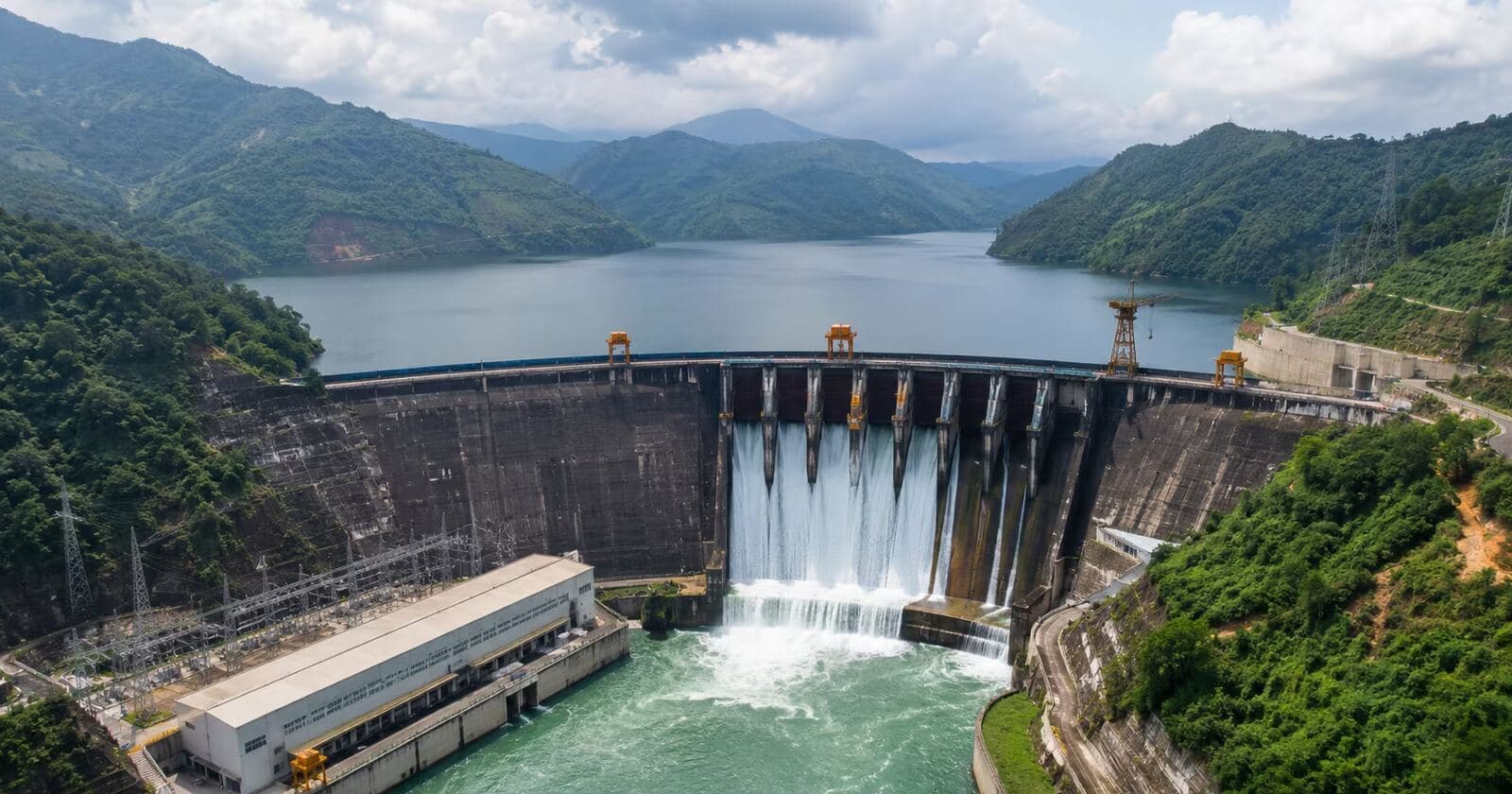
Image: ITzine
Vietnam has discussed with RusHydro a plan to modernize existing hydropower plants in the country and launch new projects in renewable energy. At a meeting in Vietnam, Deputy Prime Minister Pham Gia Tuc urged both sides to move beyond talks and start working on joint initiatives.
The focus is on older facilities built with the participation of the USSR and Russia. According to the source, these plants need more than light repairs: they require equipment replacement, control-system upgrades, and broader work to improve reliability at stations that support part of Vietnam’s power system.
RusHydro said it is ready to transfer technology and share its operating experience with hydropower plants. The discussions also covered energy-saving projects, particularly as Vietnam increases the share of solar, wind, and other renewable generation.
For Moscow and Hanoi, this is a continuation of a long-running energy relationship. Several major hydropower plants in Vietnam were built with Soviet and Russian involvement, and they are now seen as the foundation for extending the life of the power system without building from scratch.
The largest of these is the Hoa Binh hydropower plant, with a capacity of 1,920 MW, built from 1979 to 1994. The article also names other projects with Soviet or Russian participation:

Recommended reading
AI coding tools push startups to hire fewer juniors
- Hoa Binh — 1,920 MW
- Tri An
- Yali
- Son La
Vietnamese профильные agencies have been tasked with determining which projects could be launched jointly with RusHydro. If the talks lead to contracts, the scope may go beyond equipment refurbishment, as Vietnam’s energy sector is looking for hydropower that is both more flexible and more reliable to support further growth in renewables.

Enterprise Editor
Marcus follows the money. He covers enterprise software, cloud architecture, and the tectonic shifts in Big Tech strategy. He translates dense earnings calls and complex M&A activity into actionable insights about where the industry is actually heading. If a tech giant makes a silent pivot, Marcus is usually the first to notice.
via ITzine