• 3 min read
$400M bet backs inference chips over GPUs
General Compute secured a $400 million loan from Upper90, using inference chips as collateral in a rare AI infrastructure financing deal.

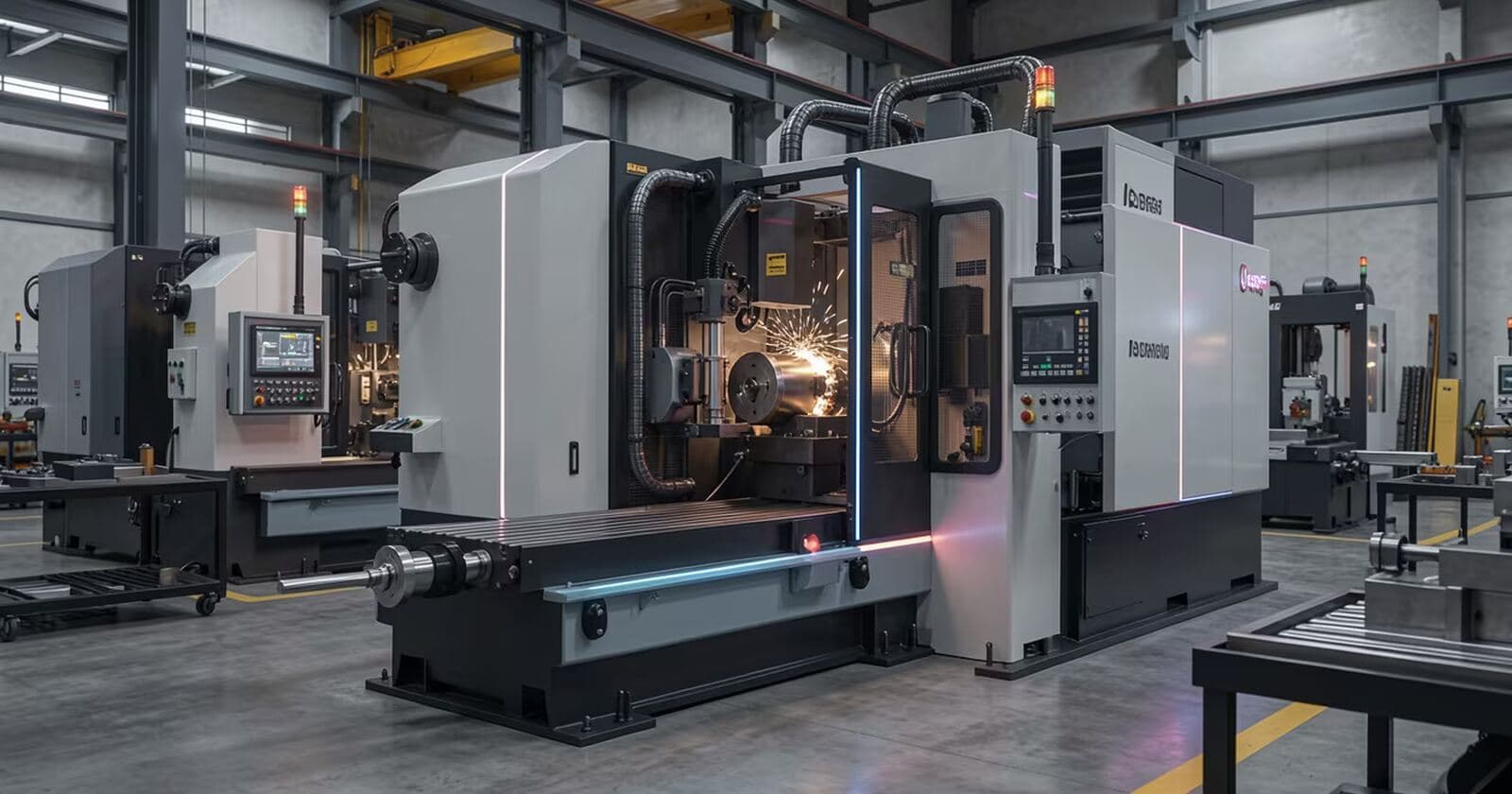
Image: TechCrunch
General Compute has secured a $400 million loan from Upper90 in what may be the first financing deal backed by inference-specific chips as collateral, according to TechCrunch. The startup is building an AI inference cloud around chips from SambaNova, betting that cheaper, more efficient hardware for running trained models will become a bigger part of the market as companies push down the cost of AI services.
Founded by CEO Finn Puklowski, General Compute raised a $15 million seed round in May. Its infrastructure is based on SambaNova’s SN50 chips, which are designed for inference rather than training. The company says those chips are 16 times faster for inference than GPU-based clouds, while also being more power-efficient and easier to deploy because they do not need costly water-cooling systems.
That deployment advantage matters for a new entrant trying to secure large volumes of hardware. Billy Libby, Upper90's co-founder and CEO and a former Goldman Sachs quantitative trader, has used a similar approach before. In 2021, Upper90 financed GPU purchases by Crusoe, which Libby believes was the first loan backed by the value of advanced chips. At the time, traditional lenders avoided those deals because of uncertainty around GPU depreciation. Since then, TechCrunch notes, chip-backed lending has become far more common as CoreWeave turned it into a business model and later into the basis for a major IPO.

Recommended reading
a16z backs Runta with $20M to rein in AI agents
“When we financed Nvidia GPUs as the first group to do that, the market was inefficient. We could really put together something as an early participant, and kind of get compensated for the risk.”
Upper90 now sees inference as the next wave. Libby told TechCrunch that open-source models are becoming increasingly important, and that not every customer needs training-scale compute.
Open-source models and Nvidia alternatives
The deal also reflects a broader shift toward infrastructure built around open models and hardware beyond Nvidia’s stack. TechCrunch points to funding rounds for companies like OpenRouter and Fireworks, as well as new models such as Kimi’s K3, which it says has recently shown it can compete with releases from Anthropic and OpenAI on coding benchmarks.
At the hardware layer, startups including Groq and Cerebras have also attracted attention from buyers and public markets. TensorWave is pursuing a similar strategy through a partnership with AMD.
Puklowski argues that providers able to source chips outside Nvidia’s ecosystem could be better positioned to deliver lower-cost inference.
“There are a bunch of chips that are starting to scale that have amazing [total cost of ownership], or that can operate much faster than Nvidia, but there’s not too many buyers for them.”
“By getting together with Upper90, this is not just, 'a cool startup got some money to buy some compute.' Like, this is the first signal of capital organizing itself and the fragmenting of Nvidia’s monopolistic dominance.”

Enterprise Editor
Marcus follows the money. He covers enterprise software, cloud architecture, and the tectonic shifts in Big Tech strategy. He translates dense earnings calls and complex M&A activity into actionable insights about where the industry is actually heading. If a tech giant makes a silent pivot, Marcus is usually the first to notice.
via TechCrunch