• 2 min read
Rail welding robot lifts VLMZ output by 10%
VLMZ has launched a robotic welding cell for railway automation parts, cutting process time by 20% and raising output by 10%.
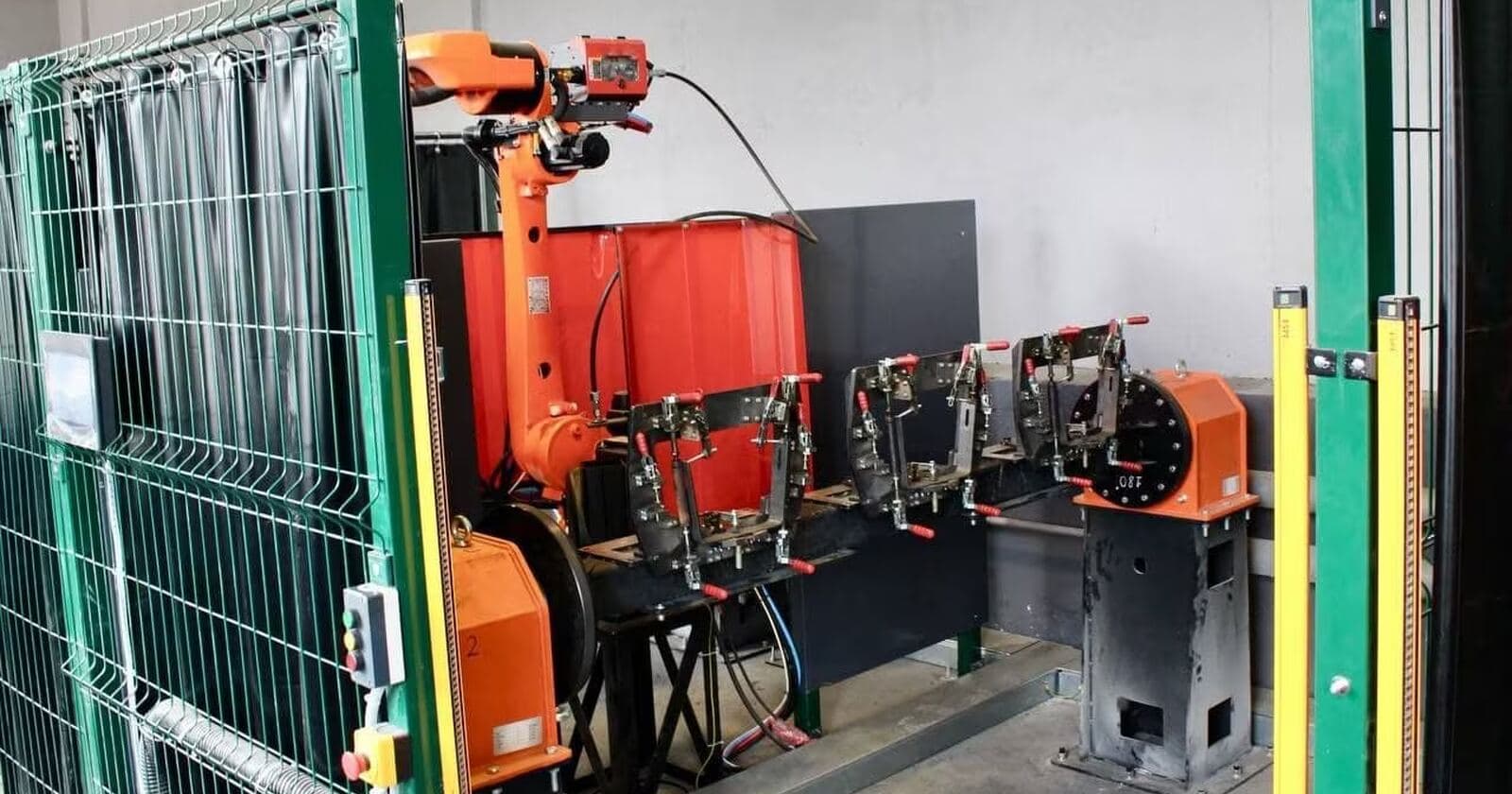
Image: ITzine
At the Voronezh Locomotive Repair Mechanical Plant (VLMZ), a new robotic welding complex has gone into operation for the serial production of railway automation components. The company says the new line increased productivity by 10% and shortened process times by 20%. It also shifted the hottest and heaviest welding work to the robot.
The system is designed for precise, repeatable welding. It combines an industrial robot with a 16 kg payload and a rotary positioning device. According to VLMZ, the setup maintains welding parameters automatically, keeps joint geometry consistent, and can run 24/7 without stopping for shift changes.
The robot is currently being used to make sealed floor-mounted products for railway automation, including:
- throttle jumper holders
- joint rail connectors
- bushings for support plate connectors
VLMZ says this product range is a strong fit for automation because volumes are high and requirements for dimensions and weld quality are strict. Another change is on the safety side: the operator now works from an external control panel instead of standing directly in the high-temperature welding zone and exposure area.
The source notes that welding remains one of the most common industrial robot applications in manufacturing, where repeatability is easier to maintain and material losses can be reduced. If VLMZ moves more products to robotic welding, the gains could exceed the current 10% uplift, especially on long production runs.

Recommended reading
FBI eyes Nvidia and Google TPU AI systems

Enterprise Editor
Marcus follows the money. He covers enterprise software, cloud architecture, and the tectonic shifts in Big Tech strategy. He translates dense earnings calls and complex M&A activity into actionable insights about where the industry is actually heading. If a tech giant makes a silent pivot, Marcus is usually the first to notice.
via ITzine