• 2 min read
ZTE’s AI agent phone sold out in hours
ZTE’s NaviX Ultra debuted at WAIC as an agentic AI smartphone, and its first 30,000 units sold out fast as Chinese brands push AI-native devices.
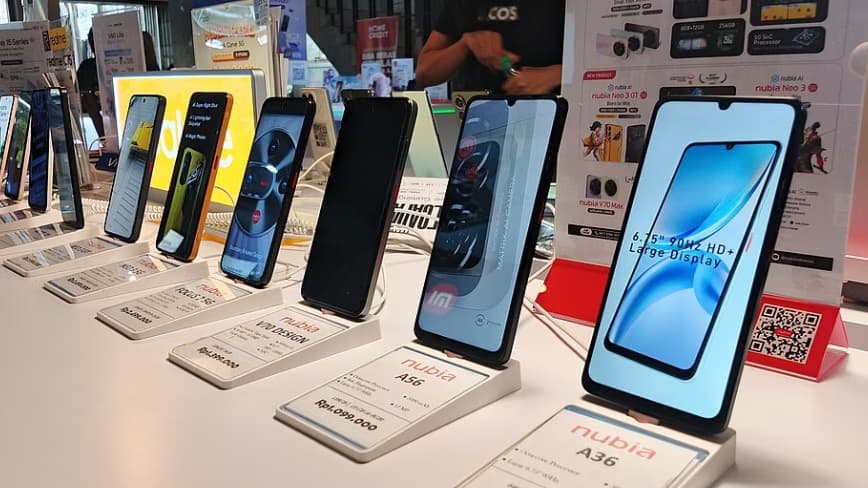
Image: TNW
ZTE used this week’s World AI Conference in Shanghai to present the NaviX Ultra, which it described as the world’s first agentic AI smartphone. Built under ZTE’s Nubia brand, the phone runs ByteDance’s Doubao agent and can be triggered either by voice or a dedicated button.
The company had already prototyped the device in December at 3,499 yuan ($516). Its first 30,000 units sold out within hours, and prices on the second-hand market reportedly doubled soon after.
ZTE is not the only Chinese company trying to rebuild the smartphone around an AI agent rather than a bundle of separate features. StepFun showed a device running its own operating system with a built-in agent called Amoo. Honor, the smartphone maker spun off from Huawei, is demonstrating an AI agent co-developed with Alibaba that it plans to ship on new devices later this year.
The shared pitch is straightforward: put an agent layer into the operating system so software can carry out tasks across apps on a user’s behalf, instead of adding isolated AI tools to a conventional interface.
“Many so-called AI phones on the market simply stack AI functions on top of an existing system. That actually makes it more cumbersome for users.”
The timing reflects pressure on the broader phone market. China’s smartphone shipments have declined for five consecutive quarters as the memory crisis drove component costs higher and weakened consumer demand. IDC expects the global smartphone market to record its steepest annual decline on record in 2026. Chinese manufacturers, many of them competing in low-margin budget segments, are under particular strain.
Recommended reading
Apple lets everyone try its new Siri in iOS 27 beta
According to IDC’s Arthur Guo, more than half of China’s smartphone market could be dominated by AI devices this year. The push also sharpens competition with Apple, which recently received Beijing’s approval to bring Apple Intelligence to China through partnerships with Alibaba and Baidu.
“In terms of AI smart devices, we are ahead of Apple.”
The bet is that an agent that can book flights or edit photos will give consumers a reason to upgrade in a shrinking market. Chinese phone makers should know by the end of the year whether that argument is strong enough.

Gadgets Editor
Eli is obsessed with the tangible future. He reviews phones, wearables, and everything with a battery. Known for his rigorous testing protocols and unabashed teardowns, Eli has broken more review units than he cares to admit, all in the name of discovering the truth about durability and repairability.
via TNW