• 2 min read
AI’s next bottleneck may be materials, not chips
A sponsored MIT Technology Review piece argues advanced materials now set key limits on AI chips and data centers, from cooling to semiconductor yields.
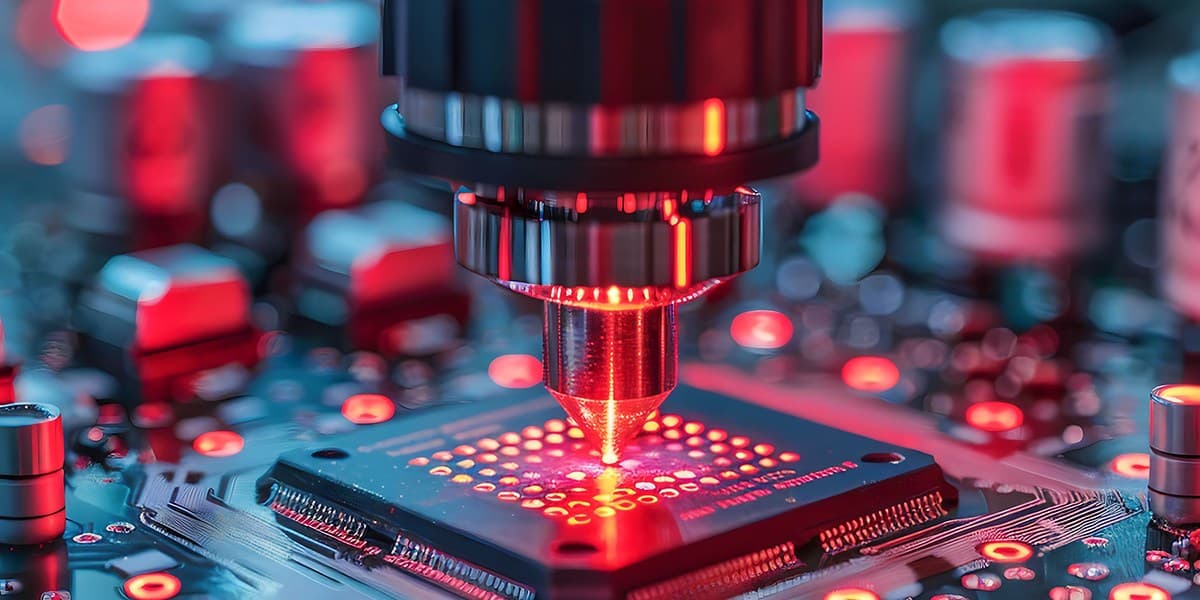
Image: MIT Technology Review
The rush to build better AI usually focuses on algorithms, chips, and giant data centers. This sponsored article from Syensqo, published by MIT Technology Review, makes a different case: advanced materials increasingly determine how far those systems can go.
As AI systems demand more processing power, memory, energy efficiency, and reliability, the physical strain on semiconductors and infrastructure keeps rising. The piece argues that gains now depend not just on chip design and system architecture, but on materials that can withstand extreme temperatures, aggressive chemicals, and harsher operating conditions.
In semiconductor manufacturing, that means materials with greater purity, higher chemical and plasma resistance, and better stability across thousands of tightly controlled process steps. Small variations can create defects, cut yields, and increase costs.
The same pressure is showing up in data centers. Higher compute density is pushing operators toward more advanced thermal management, higher-voltage power architectures, greater storage capacity, and faster data transmission. Syensqo says many of those materials problems resemble ones already seen in electric vehicles, particularly around coolant systems and power management. The company argues that knowledge from semiconductor and automotive cooling can be adapted to direct liquid-cooling for AI servers.
The article also says the definition of performance is changing. Materials still need to meet strict technical requirements, but customers increasingly expect them to be made more responsibly. Syensqo points to its next-generation perfluoroelastomers—used to seal semiconductor manufacturing equipment—which it says are produced with a fluorosurfactant-free manufacturing process.

Recommended reading
UK data centre boom hits a water reality check
On research, Syensqo says it is using AI tools, including Microsoft Discovery, to identify molecular candidates for next-generation heat transfer fluids used in semiconductor manufacturing and data centers. The goal is to narrow down promising options earlier, reduce physical experiments, and speed up the first stages of materials discovery.
The central claim is straightforward: future AI progress will require better algorithms and more powerful chips, but it will also hinge on the materials that let those systems perform reliably at scale. The piece was produced by Syensqo and not written by MIT Technology Review’s editorial staff.

Enterprise Editor
Marcus follows the money. He covers enterprise software, cloud architecture, and the tectonic shifts in Big Tech strategy. He translates dense earnings calls and complex M&A activity into actionable insights about where the industry is actually heading. If a tech giant makes a silent pivot, Marcus is usually the first to notice.