• 2 min read
Only 46% trust AI at work as adoption speeds up
Employees want AI to cut admin, not shape careers. Trust lags as only 46% say they trust AI systems.
Image: TechRadar
Companies are pushing AI deeper into the workplace, from recruitment and workforce planning to performance management and employee services. But employee confidence is not keeping pace: research cited by TechRadar Pro Perspectives says only 46% of people trust AI systems, while 31% of employees worry they could be replaced by AI.
That tension matters because workers are not broadly rejecting the technology. The piece argues that many employees want AI to remove repetitive work rather than take over their roles. In Europe, employees lose an average of 15 hours a week to administrative tasks. Just 43% say they spend most of the working day on direct-value work, while 26% say most of their time goes to administration outside their core role.
That helps explain the appeal of AI tools that automate routine tasks, simplify processes, and make information easier to find. Nearly 29% of employees say they would enjoy their jobs more if they had more freedom to focus on creative work.
Recommended reading
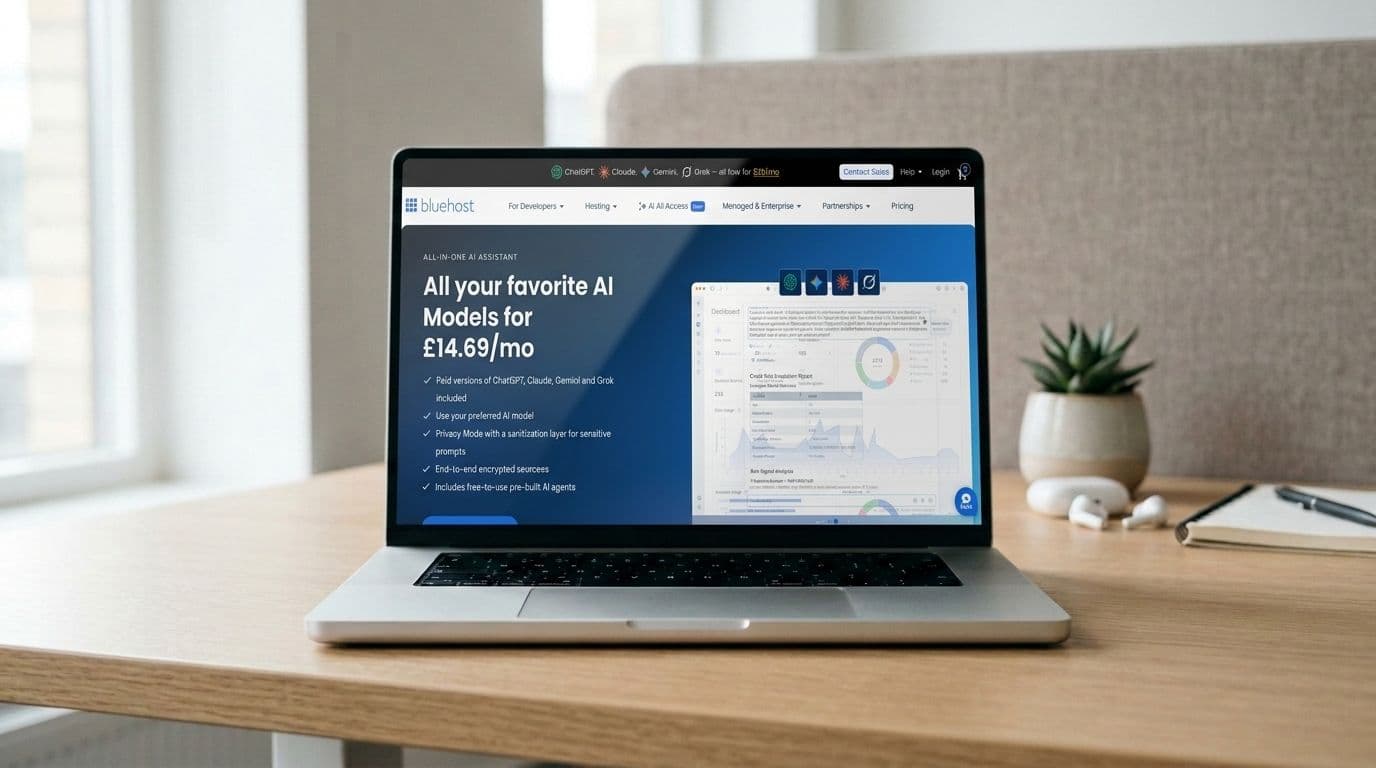
Bluehost rolls out AI agents for websites and stores
AI in hiring and performance decisions
The problem gets sharper when AI moves from productivity assistance into decisions that affect careers. Employees may be comfortable using AI to complete a task or reduce paperwork, but become less comfortable when they do not know how much influence it has over hiring, performance management, or career progression.
Recent headlines around AI analysis of workplace communications and AI-enabled employee monitoring have added to that unease, according to the article. The core issue is not simply whether AI is used, but where the boundaries are.
The piece argues that companies need to explain clearly:
- where AI is supporting decisions
- where human judgment remains essential
- who is ultimately accountable for outcomes
AI can identify patterns, analyze information, and generate recommendations, the article says. But decisions affecting a person’s career, development, or wellbeing should remain the responsibility of people.
Training and transparency
The article also makes the case that trust depends on communication as much as deployment. Employees are more likely to accept new tools when they understand how they work, why they are being introduced, and how they will help in day-to-day work.
That means investment in training, skills development, and opportunities to experiment with AI, especially while fears of replacement remain widespread. The argument is straightforward: employees respond more positively when AI helps them become more productive, build skills, and spend more time on higher-value work — not when it quietly makes decisions for them.
The piece ends on a simple point: AI may automate work, but trust in the workplace still has to be earned by people.

Enterprise Editor
Marcus follows the money. He covers enterprise software, cloud architecture, and the tectonic shifts in Big Tech strategy. He translates dense earnings calls and complex M&A activity into actionable insights about where the industry is actually heading. If a tech giant makes a silent pivot, Marcus is usually the first to notice.
via TechRadar