• 2 min read
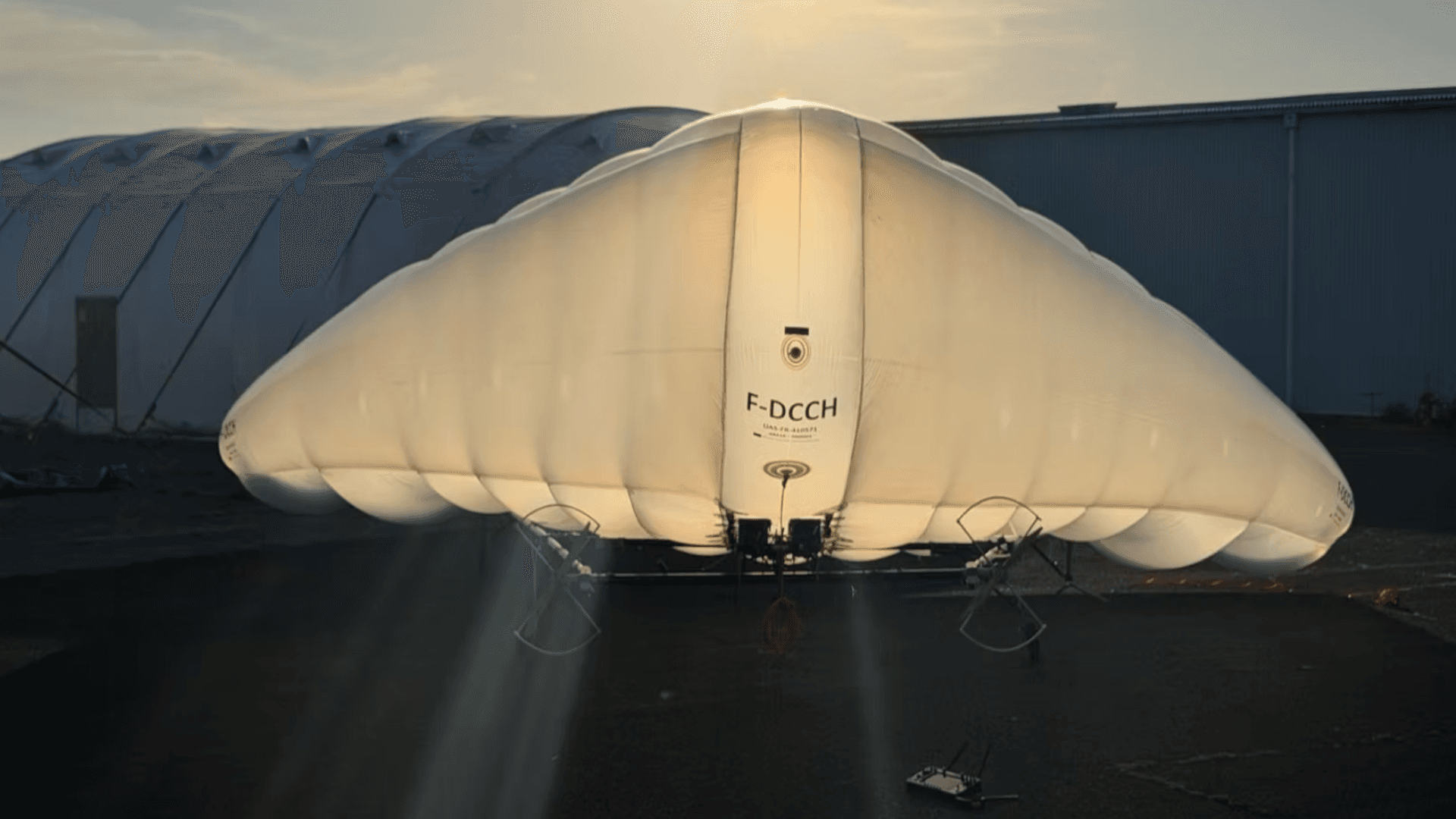
Airbus targets 2030 jet with foldable X-Wing tests
Airbus says its next single-aisle jet could cut fuel burn by 20% to 30%, with flight tests of foldable wings due later this year.
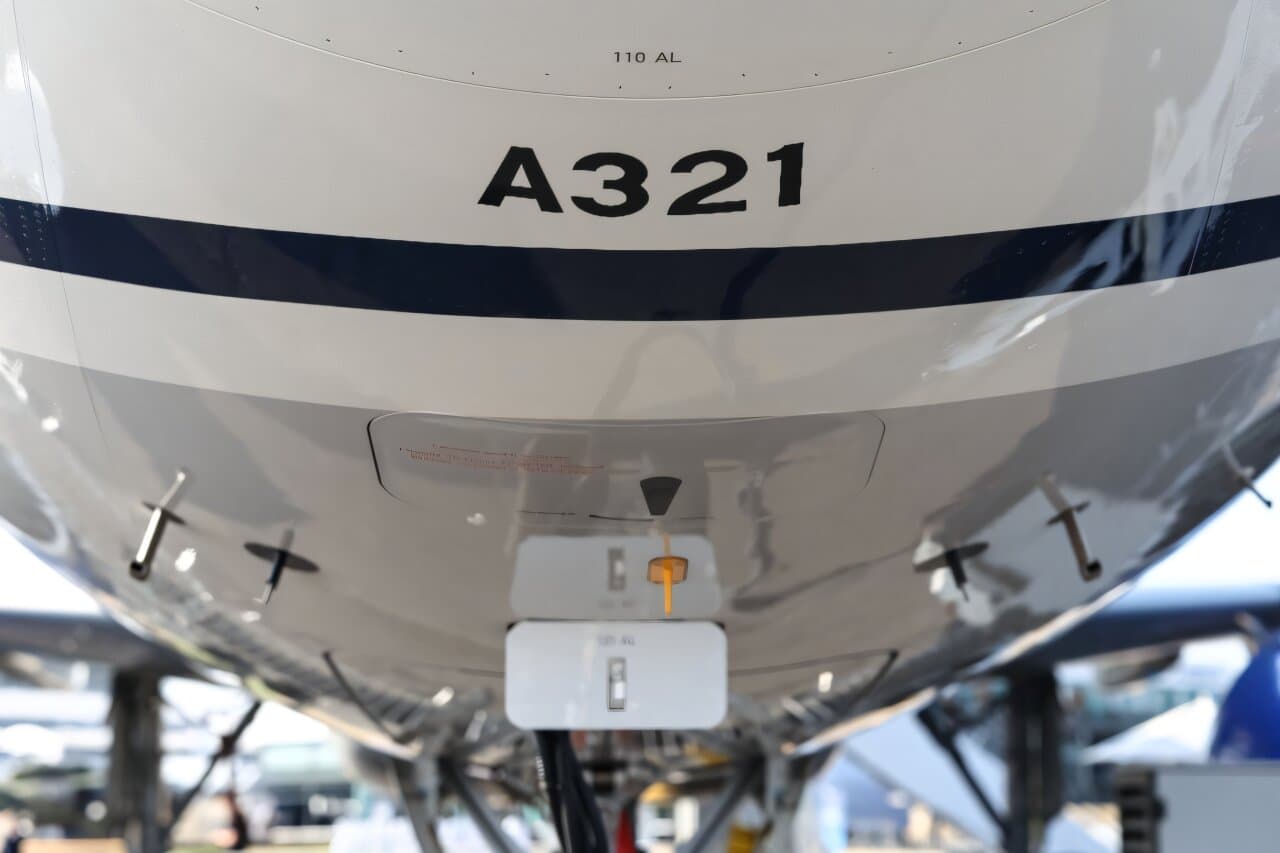
Image: TechXplore
Airbus is moving closer to a 2030 launch target for its next single-aisle aircraft, with flight tests of a new foldable wing design scheduled to begin later this year.
Speaking to AFP at the Farnborough Airshow, Bruno Fichefeux, head of future programs at Airbus, said the company is working on wing aerodynamics, engines, and lighter materials with a goal of cutting fuel consumption by 20% to 30%. He also said Airbus is reworking production systems to make them far more automated than they are today.
Airbus plans to fit an A321 with its extended folding “wing of tomorrow” and fly an X-Wing demonstrator by the end of this year from the Cazaux air base in southern France. Fichefeux said real performance data can only be validated in flight, particularly for the much longer and slimmer wing Airbus believes can deliver major fuel-burn savings.
Open-fan engine and wing design
Airbus is also betting heavily on the open-fan engine. Fichefeux said projected performance is strong, with wind-tunnel tests planned, and the aim is to build enough confidence by 2030 to support a program launch. Airbus is still researching multiple engine paths, including future nacelle-enclosed designs with Pratt & Whitney, while CFM is also developing an enclosed version.
Recommended reading
Range Rover GT turns the brand away from SUVs
But Fichefeux suggested wings now matter as much as engines in reducing fuel burn.
“Historically in aviation, the main driver of fuel-burn reduction was the engine. As soon as there was a new engine, we built a new aircraft. Today, we realize that the engine remains a major contributor, but it’s no longer the dominant contributor. Wing shape delivers an equivalent contribution in terms of fuel-burn reduction.”
He added that if one engine approach fails to materialize, Airbus has alternatives.
Hydrogen partnership with MTU
Alongside the next narrowbody push, Airbus is advancing work on a hydrogen-powered aircraft through a new joint venture with German engine maker MTU. The partnership is notable because it sidelines Safran, Airbus’s long-time French engine supplier, whose CEO Olivier Andries has argued that hydrogen aircraft are better suited to the next century.
Fichefeux said the venture is intended to create a European hydrogen engine manufacturer for future electric aircraft and to help Europe keep pace with China, which he said is investing heavily in fuel cells and hydrogen infrastructure.

Frontier Editor
Dan is our resident futurist, covering electric mobility, space exploration, and the smart home. He's interested in atoms just as much as bits. Whether it's a new battery chemistry, a reusable rocket, or a protocol that finally makes IoT devices talk to each other, Dan breaks down the engineering that pushes humanity forward.
via TechXplore