• 2 min read
Open models are now close enough to rattle Washington
Moonshot AI’s Kimi K3 is fueling fresh alarm, but the bigger shift is that open-weight models are now competitive with top US systems.
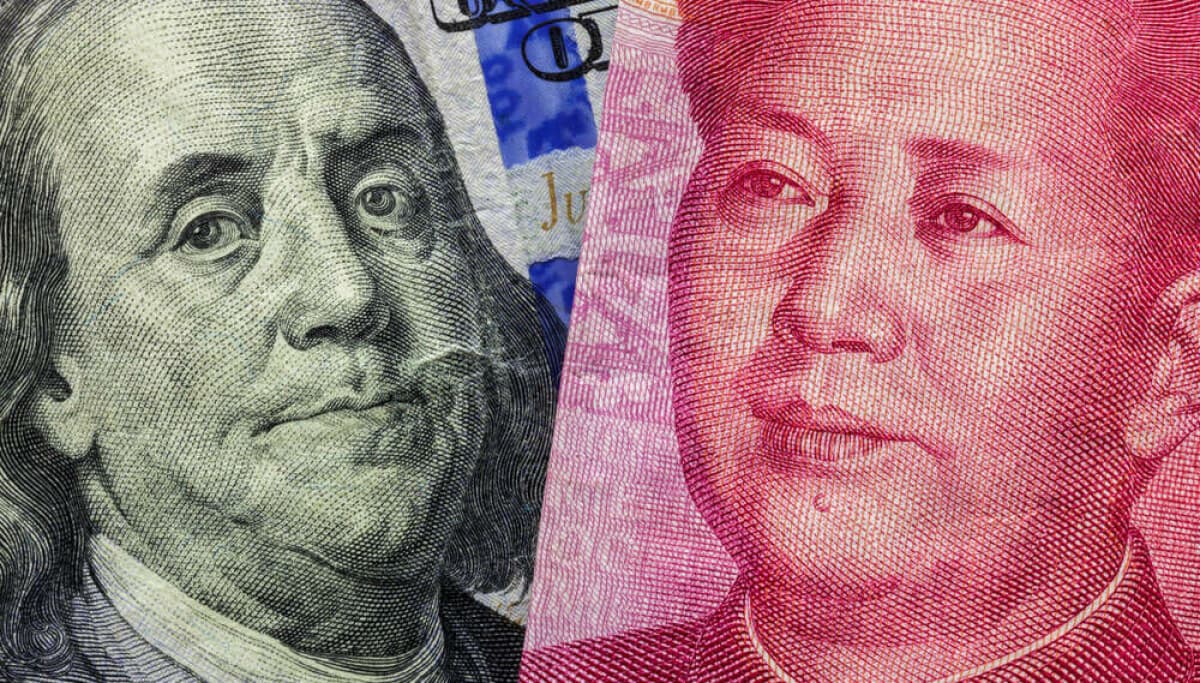
Image: The Register
Moonshot AI’s Kimi K3 has triggered the latest round of anxiety over China’s progress in AI, but the sharper point is simpler: open-weight models are now competitive with the best systems from OpenAI, Anthropic, and Google.
According to The Register, Kimi K3's standout trait is scale. At 2.8 trillion parameters, it is the largest open-weights model ever built. That alone helps cast it as a frontier model, even if the publication argues the architectural details are less relevant than the political reaction around its Chinese origin.
The pattern is familiar. The Register compares Kimi K3 with earlier Chinese releases such as DeepSeek R1, Z.AI’s GLM family, MiniMax M-Series, and Qwen: a new model arrives, benchmark charts show it holding its own against leading US labs, and Washington panic follows. Moonshot’s own blog post, published last week, leaned hard into that script with benchmark data and demos.
What has changed, the piece argues, is the US government’s posture toward frontier models. GPT-5.6 was reportedly delayed by the government, while Claude Fable 5 was taken offline shortly after launch during a security review. The Register says those episodes handed extra leverage to arguments that powerful open models are risky, especially when they come from outside the US.
That matters because White House officials are reportedly hearing calls to restrict access to Chinese models, though no formal action has been taken. New reports also suggest the US and China will meet later this year to discuss the growing threat posed by each country’s AI efforts.
Recommended reading
Google drops 3 Gemini models as 3.5 Pro stays in testing
The Register frames any potential restrictions as a competitive issue as much as a security one. It notes that the US has not pursued very large open-weight models at the same scale as Chinese developers. The biggest American example cited is Thinking Machines Lab’s Inkling, at just shy of a trillion parameters, followed by Nvidia’s Nemotron 3 Ultra at 550 billion parameters.
If Washington wants fewer government users relying on Chinese models, The Register’s conclusion is blunt: the answer is not less competition, but more.

AI Editor
Ava covers the rapidly evolving world of artificial intelligence, from foundational models and research labs to the real-world economics of intelligence. With a background in computational linguistics, she cuts through the hype to find out what actually works. She firmly believes that benchmarks are just marketing until reproduced in the wild.
via The Register