• 2 min read
AirDows sends files browser to browser with WebRTC
AirDows is a browser-based P2P file transfer tool that moves photos, videos, and documents between devices without accounts or recompression.
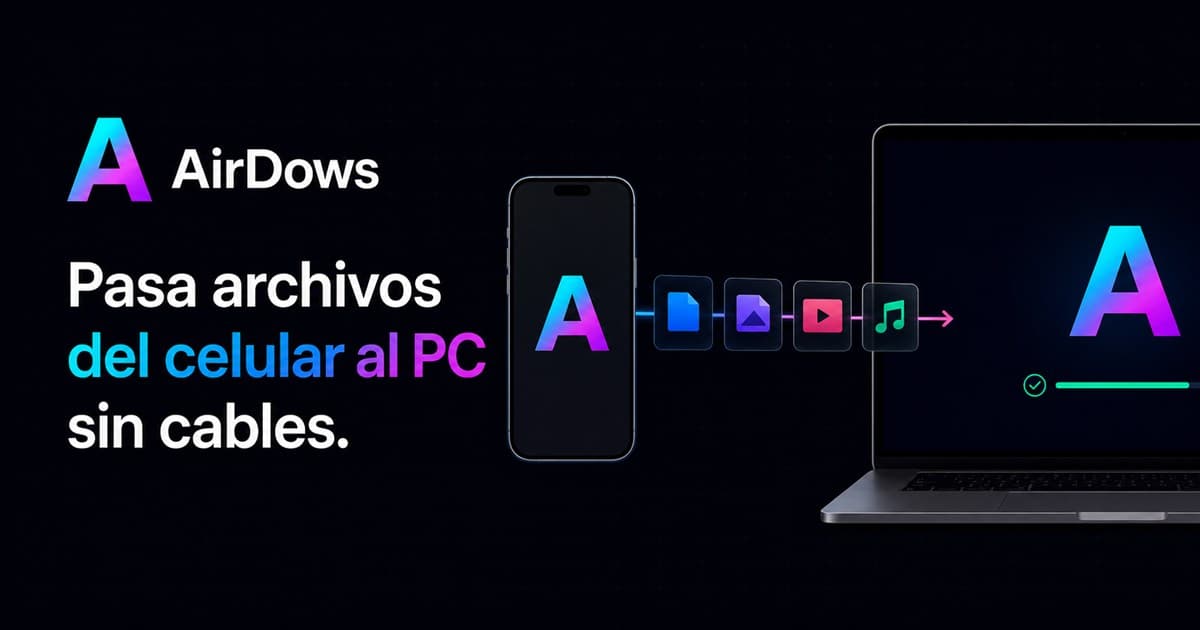
Image: Hacker News
AirDows is a browser-based peer-to-peer file transfer tool built on WebRTC, aimed at moving files from a phone to a PC without cables, accounts, or app installs. The service promises to transfer photos, videos, documents, compressed folders, and more in their original quality, with no recompression or re-encoding.
The pitch is simple: open AirDows on both devices, then connect them by scanning a QR code or using a temporary code. After that, users can drag and drop a file or pick one from the device, and the transfer starts as long as both devices remain active during the send.
According to the site, AirDows does not create a download link or store files for later retrieval. Instead, it connects the two devices only for as long as needed to deliver the file. The company frames that as fewer steps and less clutter: send the file directly, rather than uploading it somewhere else and hunting it down later.
The service highlights three core points:
- The file arrives intact — photos keep their resolution, videos keep their format, and projects stay unchanged
- No account is required
- It works whether devices are near or far, depending on the available network path
AirDows says it works across different networks, though transfer speed depends on both devices and on the route their networks allow. It also says there is currently no fixed file size limit, but practical capacity depends on the browser, device, available storage, and connection stability.
Recommended reading
Spotify Adds AI Chat to Its Mobile App
For users, the process is reduced to four steps: open AirDows on the phone and computer, connect the devices, drop the file, and receive it on the other end — still in its original quality.

Computing Editor
Tomas lives in the terminal. He covers chips, laptops, and operating systems with a focus on performance and efficiency. He reads kernel changelogs the way other people read fiction, and he's always on the hunt for the perfect mechanical keyboard switch. If it processes data, Tomas has an opinion on it.
via Hacker News