• 3 min read
AirPods Max 2 bring smart upgrades with H2 chip but keep original design
Apple has quietly revamped its premium AirPods Max headphones, delivering a thoughtful upgrade rather than a flashy redesign. Nearly six years after the original launched, the AirPods Max 2 refine the experience with sma
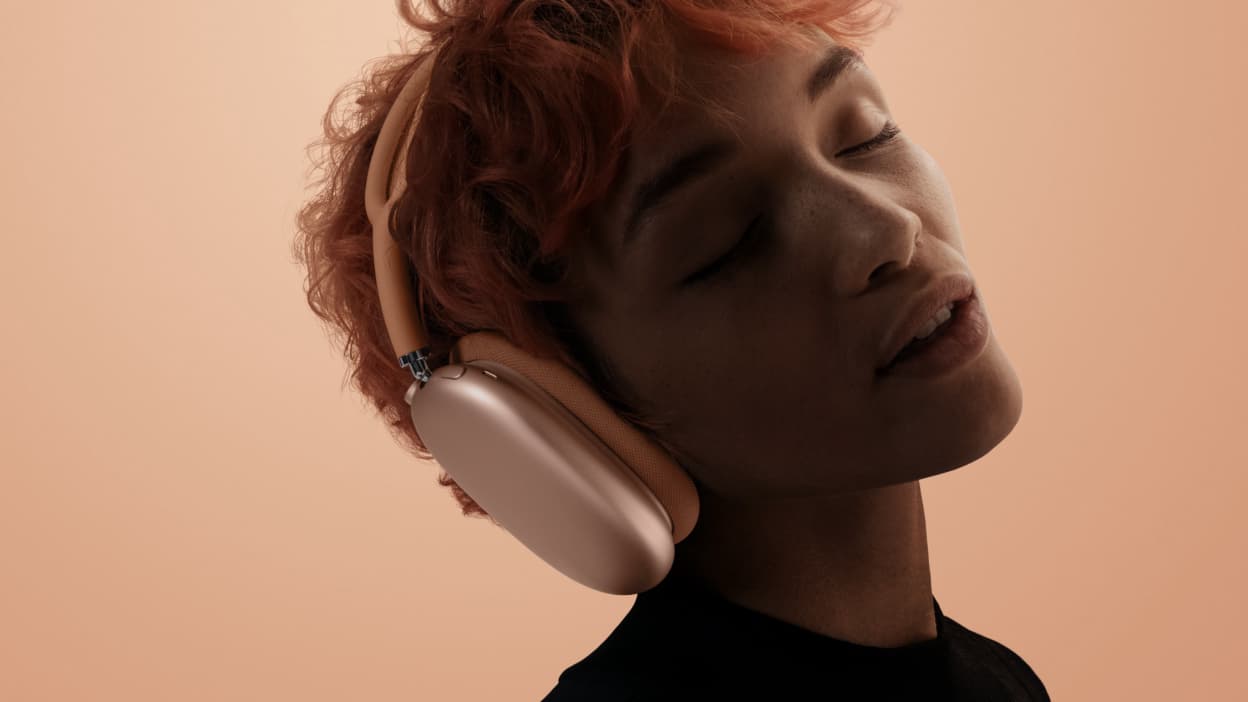
Apple has quietly revamped its premium AirPods Max headphones, delivering a thoughtful upgrade rather than a flashy redesign. Nearly six years after the original launched, the AirPods Max 2 refine the experience with smarter audio processing, improved noise cancellation, and true lossless audio support via USB-C – but you won’t spot the difference at a glance. It’s an evolution focused on performance and intelligence, not aesthetics.
H2 chip transforms AirPods Max 2 user experience
The biggest technical leap in the AirPods Max 2 is Apple’s new H2 chip, which elevates these headphones from just expensive to truly adaptive. Forget dry buzzwords like “adaptive audio” or “personalized volume.” In practice, the headphones intuitively understand your environment and preferences, adjusting sound automatically. You end up rarely touching any controls because the headphones do the managing for you – a rare upgrade that simplifies rather than complicates the user experience.
Improved noise cancellation on AirPods Max 2
Noise cancellation on the AirPods Max 2 is sharper yet more nuanced compared to the original model. On public transit, for example, the background rumble disappears deeper and more thoroughly than before, while sudden noises don’t pierce through as jarringly. Meanwhile, Transparency mode sounds unusually natural – not like a “digital simulation” of the outside world, but almost like lifting the headphones off your ears. Apple has dialed back the digital processing, letting ambient sound through without making it obvious. The result feels effortless: you enjoy your music without thinking about the noise around you.
Live translation and smart voice detection features
The AirPods Max 2 finally bring features that Apple debuted on the more affordable AirPods Pro 2, thanks to the H2 chip making its way into the top-tier model. Live translation, automatic music pausing when you start speaking, and personalized sound that learns your listening habits are now standard. These features don’t feel like gimmicks because they blend so smoothly into everyday use. It’s like wearing a device that thinks for itself rather than a mere accessory.
Sound quality and USB-C lossless audio support
Apple didn’t overhaul the audio signature but improved it thoughtfully. The soundstage feels wider, instruments come through crisper, and overall clarity edges forward, especially noticeable on complex tracks or long listening sessions. Audiophiles will appreciate that the AirPods Max 2 finally support true lossless audio via USB-C – no adapters or workarounds required. This step aligns with shifting industry trends as Apple moves away from Lightning connectors.

Recommended reading
xAI Sues Grok User Over Child Abuse Images
AirPods Max 2 design remains unchanged
The exterior of the AirPods Max 2 is nearly identical to the original. They have the same weight, shape, and the same divisive “slouchy” carrying case that still puzzles users. If you want to catch eyes on the street, these headphones won’t do it – no one can tell if you’re rocking the first or second iteration at a glance. So if looks are your priority and you own the original AirPods Max, saving $600 might make more sense.
AirPods Max 2 pricing and upgrade considerations
The AirPods Max 2 carry a price tag of $600, matching the launch price of the original model. Upgrading is worthwhile primarily for users who want the advanced features and lossless audio support offered by the H2 chip. However, if you already own the original AirPods Max and are satisfied with their performance, the incremental enhancements may not justify the cost.
Looking ahead, the AirPods Max 2 mark Apple’s commitment to smart headphone technology that focuses less on flashy design and more on quiet, behind-the-scenes intelligence. If Apple expands these features further or experiments with new form factors, we could see a notable shift in premium headphone expectations – especially as wireless audio continues to evolve toward personalized, adaptive listening experiences.

AI Editor
Ava covers the rapidly evolving world of artificial intelligence, from foundational models and research labs to the real-world economics of intelligence. With a background in computational linguistics, she cuts through the hype to find out what actually works. She firmly believes that benchmarks are just marketing until reproduced in the wild.