• 2 min read
RedMagic Astra 2 brings liquid cooling to tablets
RedMagic’s 9.06-inch Astra 2 pairs liquid cooling with a vapor chamber and liquid metal, starting at $750 in the U.S.
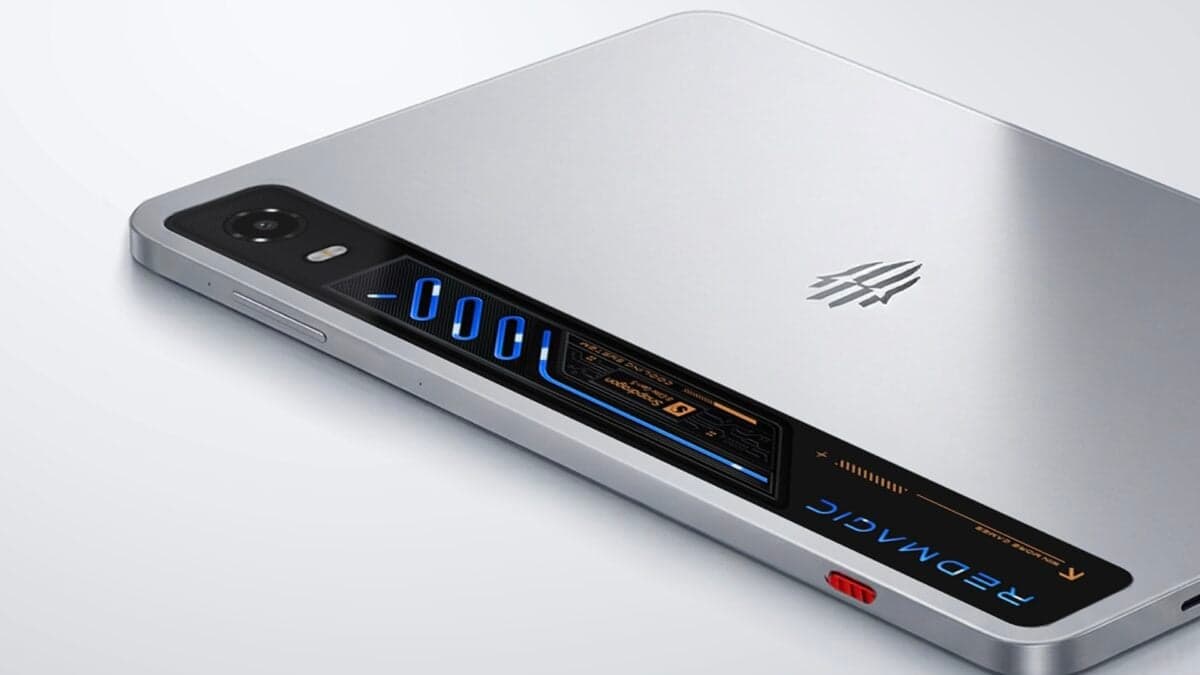
Image: Gizmodo
RedMagic is bringing a feature more common in gaming desktops to a 9.06-inch tablet. The new Astra 2 uses the company’s AquaCore Cooling System 2.0, combining liquid cooling, a custom vapor chamber, and liquid metal to keep thermals in check during sustained gaming.
That matters because the tablet packs hardware that can run hot. RedMagic says the Astra 2 uses Qualcomm’s Snapdragon 8 Elite Gen 5 and an additional RedCore R4 gaming chip designed to help maintain higher frame rates over longer sessions. The company first introduced a miniaturized liquid cooling setup in the RedMagic 11 Pro gaming phone, and now it’s adapting that approach for a larger device without making it overly heavy, according to the company.
The display is another reason cooling is central to the pitch. The OLED panel runs at 2,400 x 1,504 pixels, supports up to a 185Hz refresh rate, and reaches 1,100 nits of global brightness, RedMagic says. The company also says the bezels measure 4.9mm.
Pricing and availability
The tablet has already launched in China as the RedMagic Gaming Tablet 5. In the U.S., pricing starts at $750 for a model with 12GB of RAM and 256GB of storage. A higher-end version with 16GB of RAM and 512GB SSD costs $850.
Global sales begin on Aug. 26, though RedMagic says buyers can claim early bird vouchers ahead of that date.
Recommended reading
5 Windows 11 update features worth noticing now
The broader point is less about one niche gaming tablet than about where tablets may be headed. Apple is reportedly preparing an 8.4-inch iPad mini later this year with an OLED display, while Bloomberg has previously reported that a next-generation iPad Pro planned for 2027 will include a vapor chamber for better cooling. For now, RedMagic is one of the few companies pushing that idea further with full liquid cooling in a tablet.

Computing Editor
Tomas lives in the terminal. He covers chips, laptops, and operating systems with a focus on performance and efficiency. He reads kernel changelogs the way other people read fiction, and he's always on the hunt for the perfect mechanical keyboard switch. If it processes data, Tomas has an opinion on it.
via Gizmodo