• 2 min read
Android smartphone shipments expected to drop 15% in 2026 as Apple gains ground
In 2026, Android smartphone shipments are forecasted to decline by 15%, while iPhone shipments are expected to drop by just 2%. According to a recent Morgan Stanley report, Apple is set to expand its market share and bec
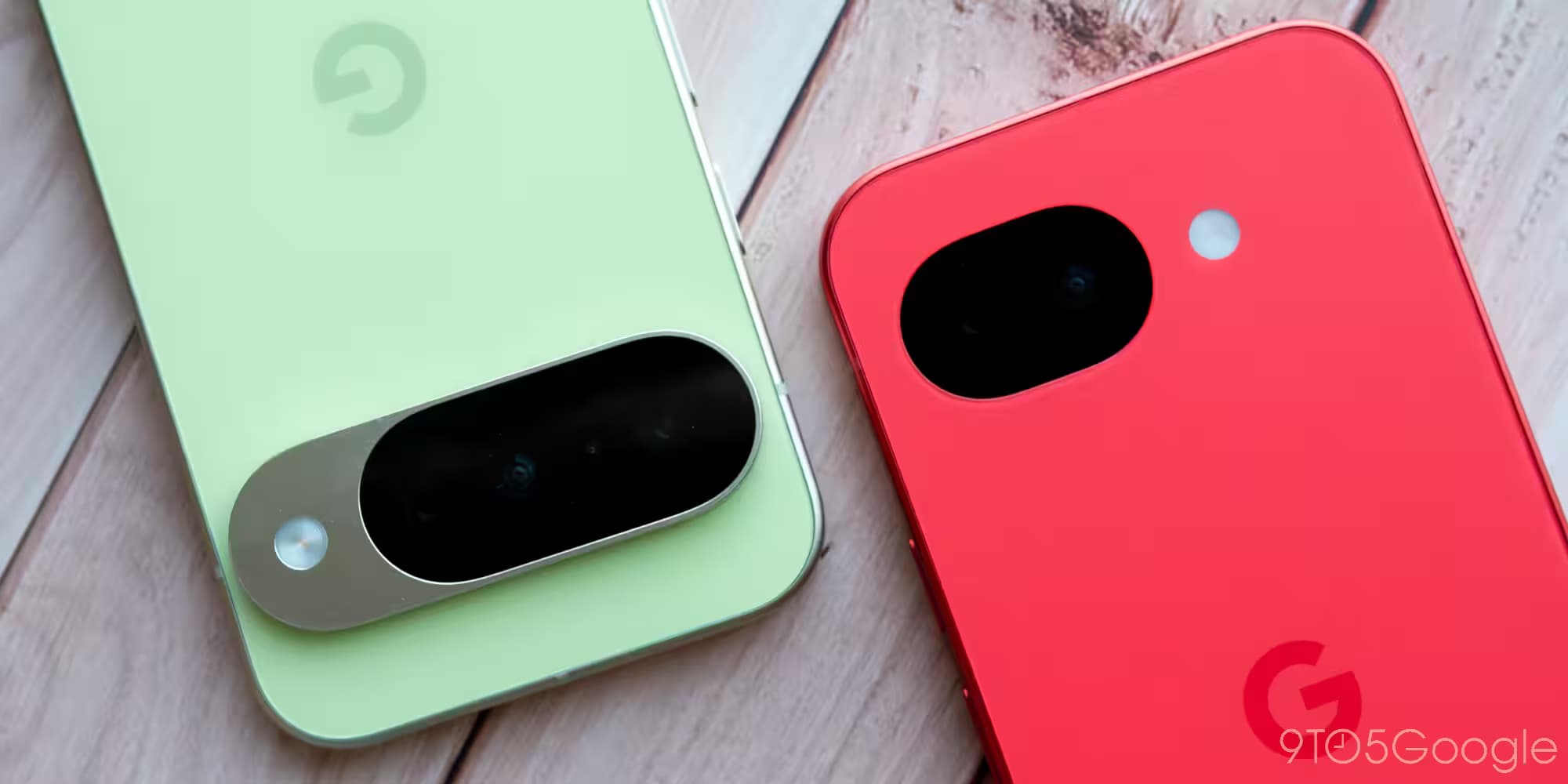
In 2026, Android smartphone shipments are forecasted to decline by 15%, while iPhone shipments are expected to drop by just 2%. According to a recent Morgan Stanley report, Apple is set to expand its market share and become the clear winner amid ongoing supply chain pressures, especially the global RAM shortage that is impacting Android brands the most.
The main challenge for Android manufacturers is the rising memory costs, which increase production expenses and lead to higher prices for Android devices. This reduces consumer demand across many brands. Most Android manufacturers face negative net switching rates-more users switching away than joining. However, Google’s Pixel series is an exception, maintaining positive user acquisition, although at a slower pace (dropping from 33% switching to Pixel in 2025 to 28% in 2026).
Apple’s customer-switching rate is even more significant, increasing from 6% to 11% year-over-year. This growth is driven by Apple attracting users from rival ecosystems, which helped it reclaim the title of the world’s largest smartphone vendor, surpassing Samsung. Apple’s switcher gains greatly exceed Pixel’s, presenting major challenges for the Android ecosystem as a whole.
Recommended reading
xAI Sues Grok User Over Child Abuse Images
Google Pixel’s resilience comes from strategic initiatives like focusing on the foldable smartphone segment-a niche still relatively underexploited compared to the rumored upcoming 'iPhone Fold'. Pixel’s ability to grow its user base demonstrates that innovation can still drive gains despite a shrinking market affected by component shortages and price inflation.
However, the memory shortage and rising prices will continue to pressure most Android brands, likely causing further market share declines in the coming quarters. Apple’s multi-faceted strategy-combining strong hardware, ecosystem lock-in, and expanding services-positions it well to benefit from these market challenges. For Android manufacturers, 2026 may become a year of consolidation, with fewer brands able to compete effectively against Apple’s expanding dominance.

AI Editor
Ava covers the rapidly evolving world of artificial intelligence, from foundational models and research labs to the real-world economics of intelligence. With a background in computational linguistics, she cuts through the hype to find out what actually works. She firmly believes that benchmarks are just marketing until reproduced in the wild.