• 2 min read
Smart appliances send up to 19MB of data a week
Consumer Reports says major smart-appliance brands transmit 3.4MB to 19MB of usage data weekly. Privacy policies offer the clearest, if imperfect, view.
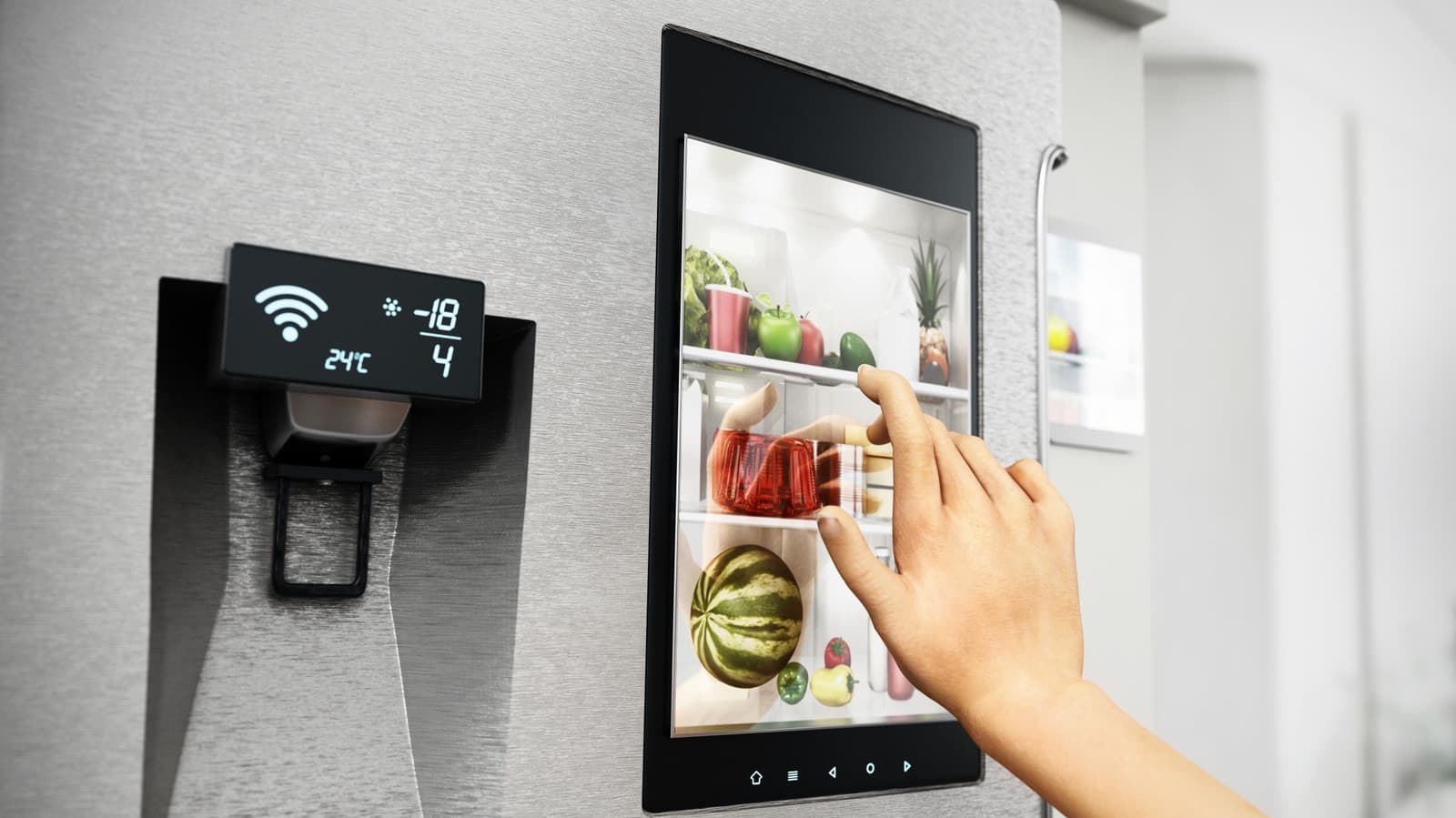
Image: Engadget
Smart appliances may deserve a place on your privacy watchlist. According to Consumer Reports, major brands transmit between 3.4MB and 19MB of usage data to manufacturers each week, covering products such as smart fridges, dishwashers, washing machines, and dryers.
That data can include obvious usage details, like when and how often you run an appliance, but also more personal information such as ZIP code, birth date, and location. In a connected home, that can add up quickly: a fridge may know when the door opens, what food you track, and even calendar details entered on its screen; a washer may reveal how often you do laundry and what kinds of loads you run.
What smart appliances collect
Consumer Reports said most manufacturers it contacted described the information only as “usage and performance data.” Kenmore was more specific, saying it collects:
- Power status
- Door open and close frequency
- Filter status
- Cycle and temperature details
- Energy usage
LG and Samsung say they collect basic identifying information including ZIP code, phone number, and location. The data is typically encrypted, but the article notes that what is collected is often still unclear.
Recommended reading
Data brokers can still profile you offline
Privacy policies are the best clue
The most practical way to find out what your appliance tracks is to read the company’s privacy policy, either online or in the documentation that comes with the device.
Samsung says collected information may be used for personalized advertising, direct marketing, and to improve its business, and that it may be shared with subsidiaries, affiliates, and third-party business partners. The policy does not clearly specify exactly what data is shared or why.
LG says it collects information about service use, including device behavior and power information, and may share it with advertising and business partners. The company says the data is used for direct marketing activities, to improve user experience, and to analyze business performance. LG also says users can request a copy of the personal information it holds.
Bosch says its Home Connect app may collect “touchpoint data” tied to appliance use, including anonymous information for statistical use and aggregated interaction data.
For buyers, the trade-off is familiar: convenience, remote diagnostics, app controls, and personalization in exchange for a steady stream of household data leaving the home. The clearest takeaway is simple—before connecting a smart appliance, check the privacy policy carefully, because the data collected is likely to include both personal and usage information.

Security Editor
Sophia unpacks the invisible wars happening on our networks. Covering cybersecurity, privacy legislation, and cryptography, she exposes how our data is weaponized and defended. Before joining for(geeks), she spent years as a penetration tester. She's the reason the rest of the team uses physical security keys.
via Engadget