• 2 min read
Apple’s foldable push is reshaping 2026 phones
Samsung and Apple are both expected to back wider foldables in 2026, betting that a better open-screen experience can fix the format’s biggest compromise.
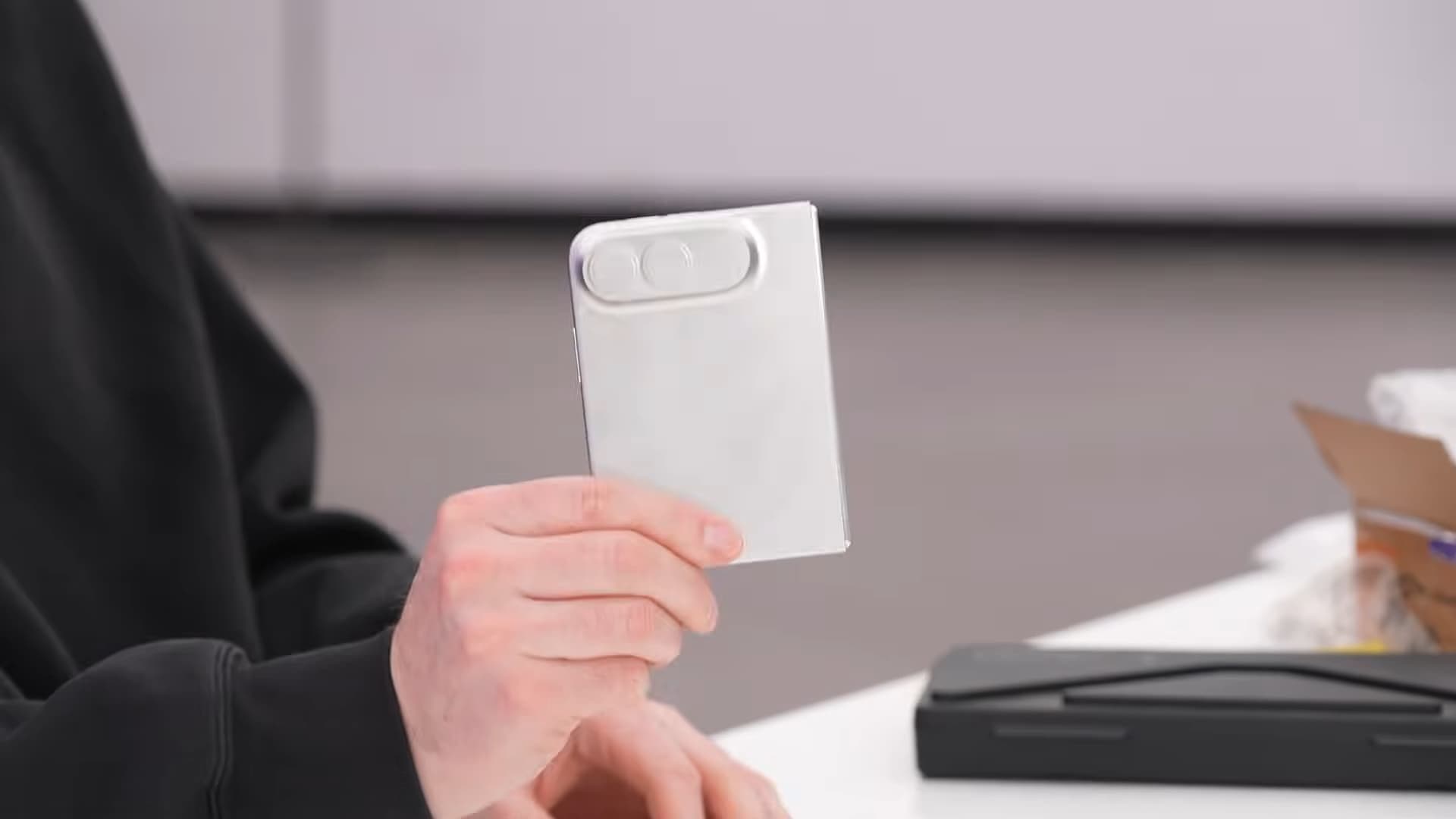
Image: TechRadar
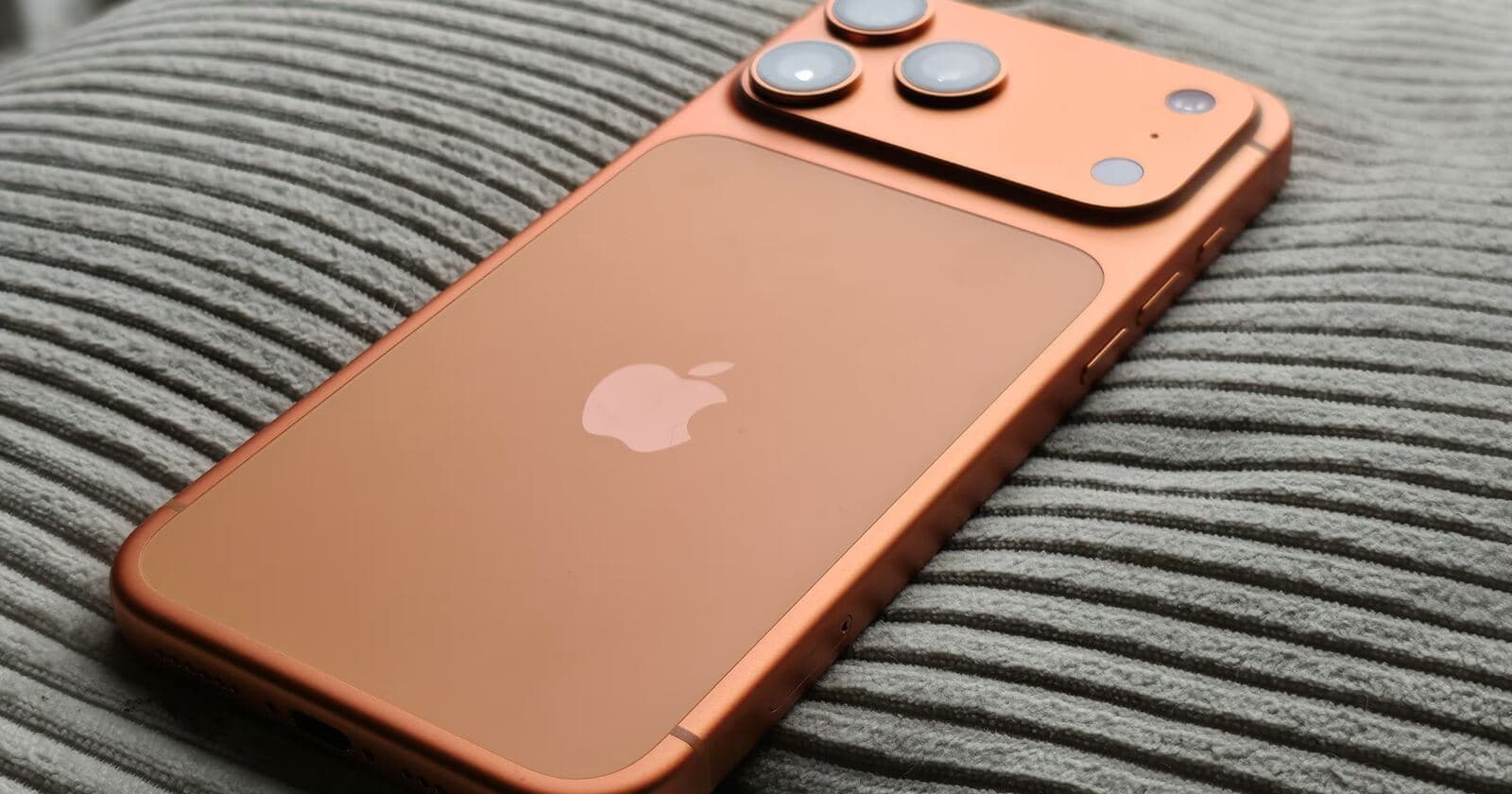
After years of niche appeal, foldable phones may be hitting a turning point in 2026. According to TechRadar, Apple is now widely expected to join Samsung and Google with its own foldable, likely called the iPhone Ultra or iPhone Fold, and that move appears to be influencing Samsung’s strategy for the Galaxy Z Fold 8.
Samsung is expected to unveil both a standard Galaxy Z Fold 8 and a wide version at the next Unpacked event on Wednesday, July 22. The shift matters because Apple’s foldable is rumored to use that same shorter, wider design, rather than the taller book-style format that has defined many previous foldables.
TechRadar says the iPhone Ultra is expected to feature a 5.5-inch cover screen and a 7.8-inch main display, making it smaller overall than recent foldables from Samsung and Google. Leaks, including a 3D CAD mockup, suggest Apple is prioritizing a more compact but wider shape, with attention also on how visible the screen crease will be.
On Samsung’s side, the branding may be shifting too. A device previously rumored as the Galaxy Z Fold Wide now appears likely to take the Galaxy Z Fold 8 name, while the more traditional version could be called the Galaxy Z Fold 8 Ultra.

Recommended reading
China’s AI agent phones hit a familiar roadblock
Google, meanwhile, is not expected to change course with the Pixel 11 Pro Fold, due on Wednesday, August 12. That device is tipped to keep a more conventional phone-like shape when closed, resulting in a squarer internal display when opened.
Why wider foldables are gaining traction
The core issue with foldables has always been balancing two experiences: the phone when it’s closed and the larger screen when it’s opened. TechRadar argues that, so far, too many foldables have compromised too much on the inner screen.
A more standard outer phone shape, like the one seen on Google’s recent Fold models, makes the device easier to use when shut. But it also tends to produce a near-square internal display, which can mean more black bars for video and awkward layouts for some games.
By going wider, Apple and Samsung are expected to deliver something closer to a 4:3 aspect ratio on the inside. That should make foldables better suited to:
- watching video
- gaming
- side-by-side apps
- more tablet-like use overall
The trade-off is that these phones may look less natural when closed. But if the main point of a book-style foldable is the larger screen, then improving that experience may be the clearest way to make the category more compelling.

Gadgets Editor
Eli is obsessed with the tangible future. He reviews phones, wearables, and everything with a battery. Known for his rigorous testing protocols and unabashed teardowns, Eli has broken more review units than he cares to admit, all in the name of discovering the truth about durability and repairability.
via TechRadar