• 2 min read
SAP closes €1bn-plus bet on spreadsheet AI
SAP has completed its acquisition of Prior Labs and will invest more than €1bn over four years in AI built for structured business data.
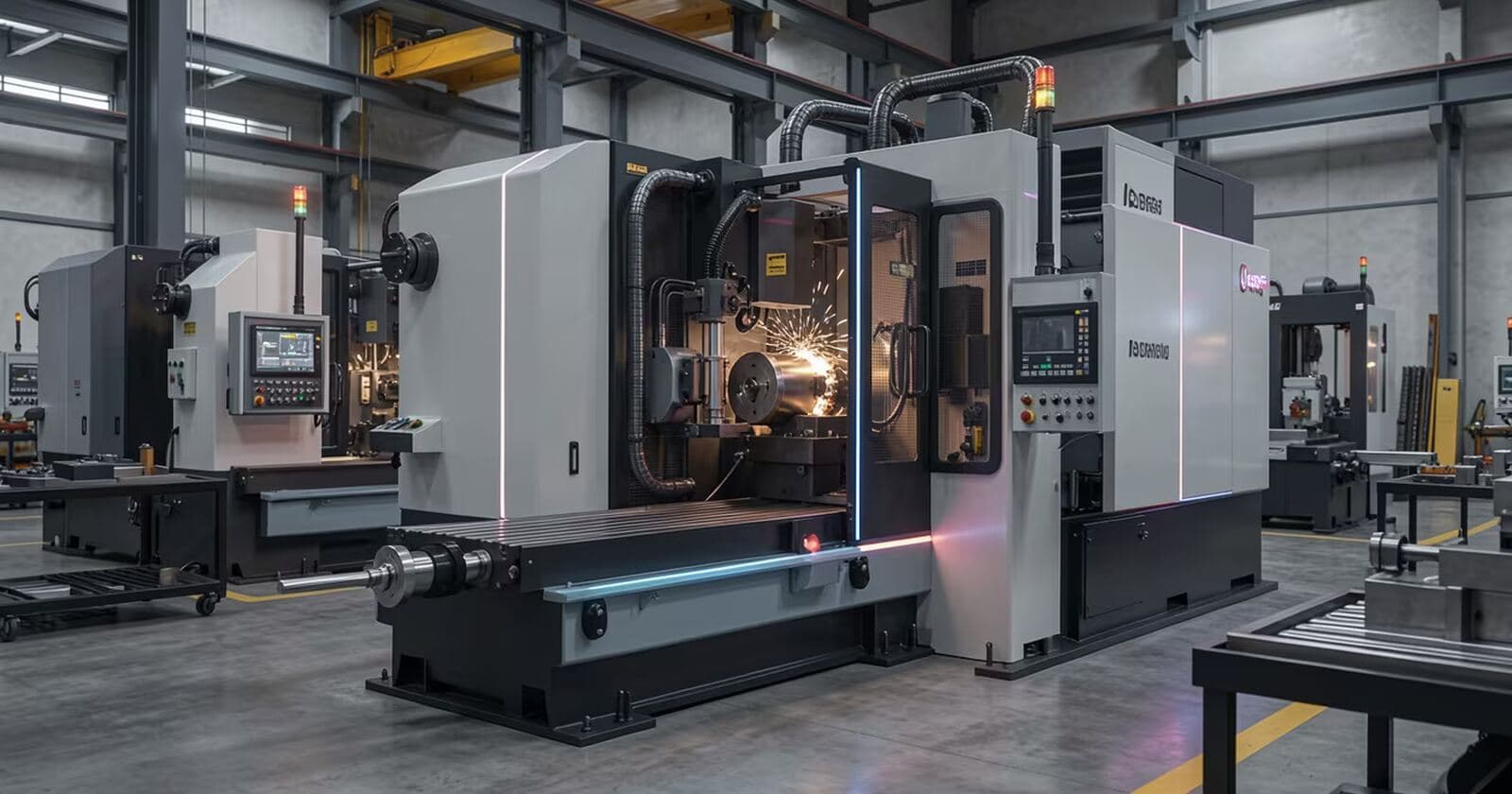
Image: TNW
SAP has completed its acquisition of Prior Labs, closing a more than €1bn bet over four years on a kind of AI that looks very different from the chatbot boom. With regulatory approvals secured, the Freiburg-based lab is now operating inside SAP.
Prior Labs builds foundation models for tabular data — the rows and columns in spreadsheets and databases that underpin most enterprise systems. Its TabPFN model, published in Nature, reached state-of-the-art results on tabular prediction across hundreds of independent studies, according to the source. Rather than generating prose, the model is designed to forecast and classify using structured datasets.
That has already put the technology to work in areas including financial risk, loan approvals, predictive maintenance on railways, and cancer diagnostics.

Recommended reading
Workday says the SaaS apocalypse is overblown
Why SAP bought Prior Labs
The logic is straightforward: SAP’s core business revolves around structured enterprise data, which is exactly what Prior Labs' models are built to analyze. The acquisition also targets a weak spot in enterprise AI, where many companies still struggle to get useful results from structured data even as spending on chatbots surges.
SAP has been accelerating its broader AI push, including work on an autonomous enterprise built on 200-plus AI agents and new automation features in its AI studio. The company even froze hiring and travel to help fund that effort, the source said.
A rare European AI outcome
The deal also stands out strategically. A European software company has acquired a European frontier lab while keeping it open and independent — the kind of academic-to-commercial path EU policymakers have long tried to encourage.
Prior Labs will keep its brand, its Freiburg base, its open-source models, and an advisory board that includes Meta’s Yann LeCun. That is unusual in Europe, where several high-profile AI startups have instead merged into or been absorbed by larger organizations.
The timing matters, too. Microsoft, Google, and AWS are all pushing into structured-data models, and SAP has now secured one of the more credible independent players in the field. For SAP, the bigger opportunity may not be AI that writes emails, but AI that predicts loan defaults or flags train failures before they happen.

Enterprise Editor
Marcus follows the money. He covers enterprise software, cloud architecture, and the tectonic shifts in Big Tech strategy. He translates dense earnings calls and complex M&A activity into actionable insights about where the industry is actually heading. If a tech giant makes a silent pivot, Marcus is usually the first to notice.
via TNW