• 3 min read
ASML Is $300bn Away From Europe’s First Trillion
ASML is now worth about $700bn, and AI-driven chip demand is pushing its order book and production targets higher.

Image: TNW
ASML has spent 2026 getting steadily bigger — and far more valuable. The Dutch chip equipment maker is now Europe’s most valuable listed company at around $700bn (€600bn), putting it roughly $300bn away from becoming the continent’s first trillion-dollar business.
That prospect no longer looks far-fetched to many investors. The bullish case is less about recent share gains than about ASML’s backlog. Demand for its lithography systems, fueled by AI, now exceeds what the company can build. ASML is cutting assembly times for each machine from about 22 weeks toward 15 or 16, while planning to increase annual output of its extreme ultraviolet (EUV) systems by around 30% next year and lift production of its cheaper deep ultraviolet (DUV) tools by a similar amount.
The numbers are moving quickly. ASML has already raised its 2026 sales forecast twice and is close to fully booked for 2027. Its stock has climbed about 60% this year, adding well over $250bn in market value, and in June it became the most valuable European company on record. Barclays, Susquehanna, and Bernstein have all pushed price targets toward $2,600 a share since the latest results, even with the stock trading near 38 times next year’s expected earnings.
Recommended reading
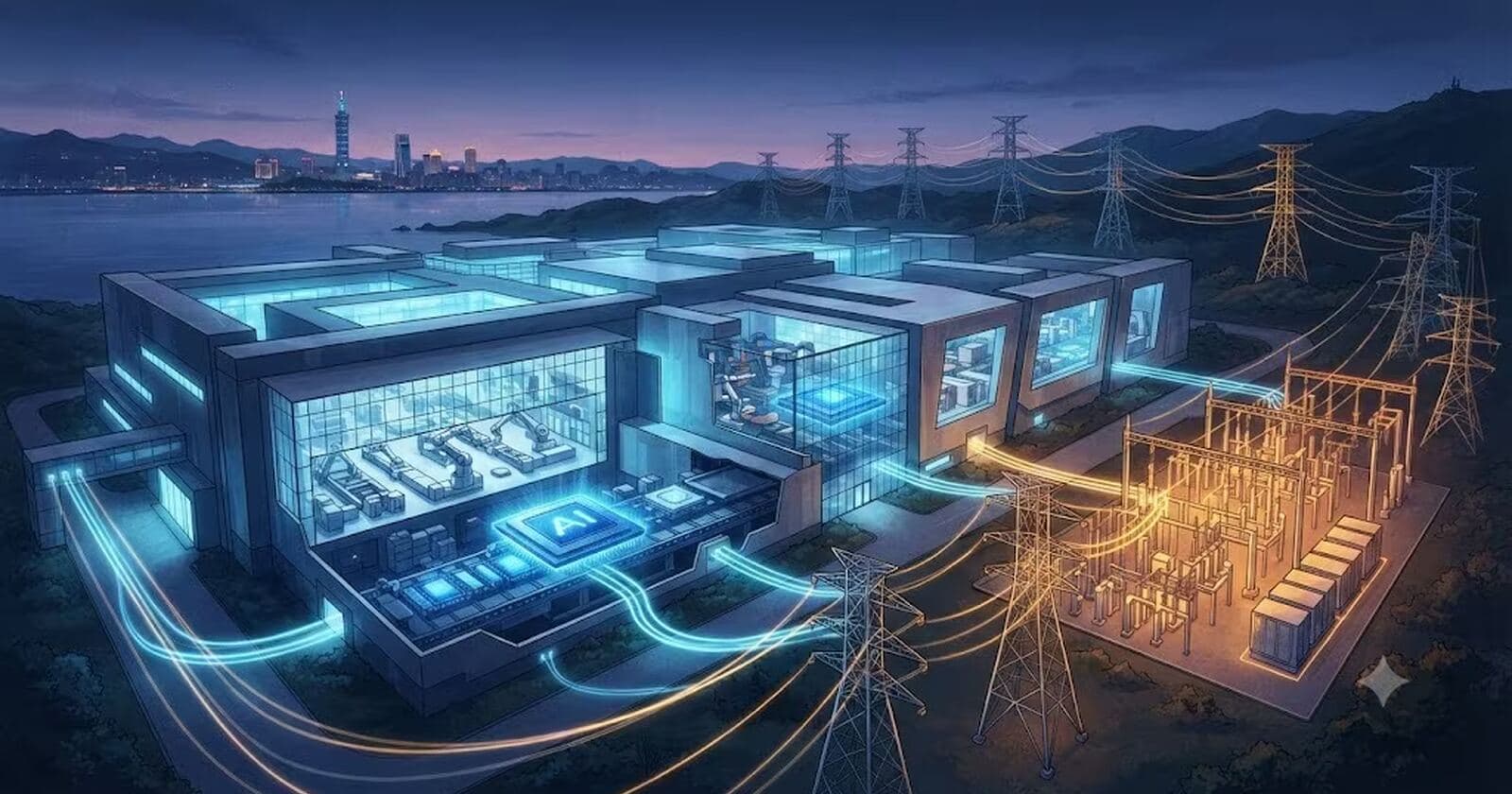
Taiwan May Force TSMC to Build Power and Storage
“I think it has a really good chance of being the first company in Europe to hit the trillion mark. I just don’t know when.”
ASML’s second-quarter results
The latest quarter gave that thesis more weight. ASML reported:
- €9.3bn in net sales
- €2.9bn in net income
- 54% gross margin
- 86 lithography systems shipped, up from 67 in the first quarter
It also raised full-year guidance to €43-45bn, up from €36-40bn, and forecast €11-12bn in net sales for the third quarter. The company returned €1.1bn to shareholders through buybacks during the period. Chief executive Christophe Fouquet said customers are accelerating capacity expansion for AI.
EUV monopoly and China risk
Underneath the growth story is a rare monopoly. ASML is the only company that makes EUV lithography machines. This year, Intel became the first to ship high-volume commercial chips — its Panther Lake laptop processors — made with the newest High-NA version, a $400m tool that costs roughly twice as much as a standard EUV machine. TSMC and Samsung are following on their own timelines, meaning every leading-edge chipmaker will eventually rely on ASML.
There are still risks. About a fifth of this year’s sales are expected to come from China, down from around half two years ago as export controls tightened, and proposed US legislation could restrict that further. The other concern is cyclicality: lithography demand depends on capital spending by a small number of chipmakers and the hyperscalers backing them.
Even after ASML upgraded guidance, its shares fell that day — a reminder that a stock priced for perfection can still disappoint by merely performing well. But ASML books machines years before delivery, giving it clearer near-term revenue visibility than most hardware companies. That is one reason the Dutch government has worked to keep the company at home, and why a chip equipment maker now looks more likely than Europe’s software, luxury, or pharma champions to cross the $1tn line.

Enterprise Editor
Marcus follows the money. He covers enterprise software, cloud architecture, and the tectonic shifts in Big Tech strategy. He translates dense earnings calls and complex M&A activity into actionable insights about where the industry is actually heading. If a tech giant makes a silent pivot, Marcus is usually the first to notice.
via TNW