• 3 min read
Asus brings 540Hz OLED to 24.5-inch esports size
Asus has built the monitor competitive players have been asking for, at least on paper: a native 24.5-inch OLED panel with a 540Hz refresh rate, 0.02ms response time, and the sort of tournament-friendly sizing that Count
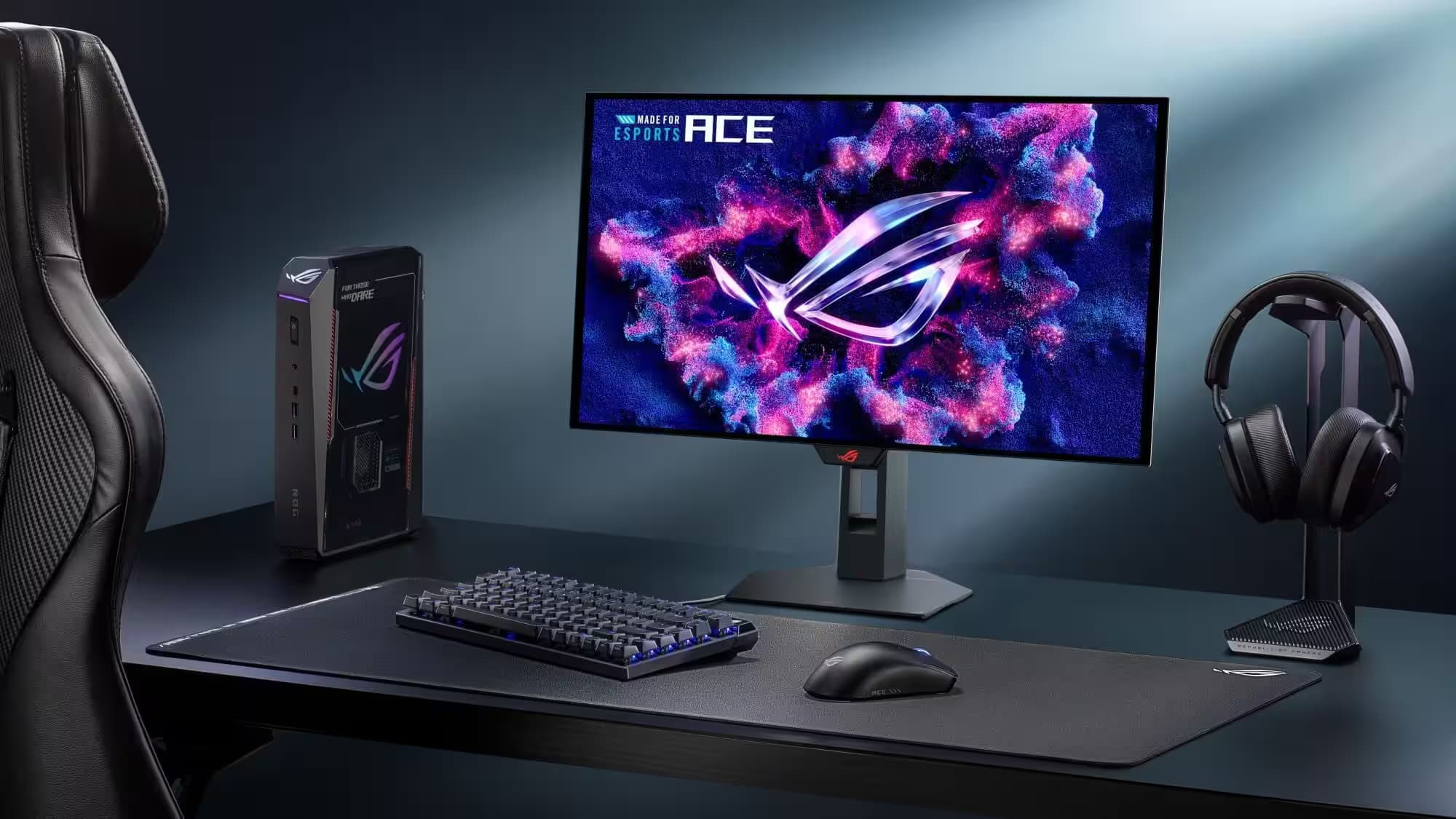
Image: 3dnews.ru
Asus has built the monitor competitive players have been asking for, at least on paper: a native 24.5-inch OLED panel with a 540Hz refresh rate, 0.02ms response time, and the sort of tournament-friendly sizing that Counter-Strike 2 and Valorant players actually use. The new ROG Strix OLED XG259QWPG Ace is designed to replace the awkward compromise of bigger high-refresh OLED screens that need software tricks to mimic a proper esports display.
That matters because OLED monitor makers have spent the last few cycles chasing ever-higher refresh rates in 27-inch and 32-inch formats, while pro players largely stayed loyal to smaller TN panels. Asus is trying to bridge that gap with a panel size that fits the genre, not just the spec sheet.
Tandem WOLED panel claims
The XG259QWPG Ace uses a Tandem WOLED panel, which stacks two OLED layers instead of one. Asus says that approach delivers 15% higher peak brightness, 25% larger color volume, and 60% longer lifespan than standard single-layer WOLED screens. It also adds a TrueBlack glossy coating, which should help text clarity and sharpness compared with the matte finishes that often dull OLED displays.
Those numbers are nice, but the real pitch is simple: make OLED viable for esports without making it feel like a living room TV got shrunk for the desk.
Esports features aimed at tournament play
Beyond the panel itself, Asus is leaning hard into competitive-use extras. The monitor includes full Nvidia G-Sync support, 99.5% DCI-P3 coverage, true 10-bit color, VESA DisplayHDR 600 True Black certification, and a factory calibration rated at Delta E less than 2.

Recommended reading
Bethesda confirms Fallout 5 amid Xbox layoffs
- 540Hz refresh rate
- 0.02ms response time
- Native 24.5-inch, 1080p panel
- 99.5% DCI-P3 coverage
- Delta E less than 2
Asus also worked with BLAST and PGL on a few details that sound small until you have to set up at a LAN event. The stand and base include measurement markings so players can recreate their exact height, tilt, and swivel settings, and a Quick OSD menu puts brightness and shadow boost a click away instead of hiding them in the usual maze of menus.
Pricing and release date are still missing
Asus has not announced pricing or a release date yet, which is a familiar move for high-end gaming hardware: show the headline feature first, make buyers wait for the bill later. The timing also lands in a market where rivals are pushing faster and cheaper displays, including Lenovo’s recent 300Hz 2K gaming monitor, so Asus will need more than bragging rights if it wants this to be a real product and not just a very expensive flex.
The interesting question is whether 540Hz OLED at 24.5 inches becomes the new pro standard or stays a halo product for deep-pocketed enthusiasts. If Asus gets the pricing wrong, TN panels may keep hanging around longer than anyone in OLED marketing would like.

Culture Editor
Maya explores gaming, streaming, and the internet as a place where people actually live. From deep-dives into creator economies to the anthropology of digital communities, she tracks platform drama and cultural shifts so you don't have to. She believes the best tech stories are fundamentally about human behavior.
via 3dnews.ru