• 2 min read
By 2050, bad energy siting could raise blackout risk 5x
MIT says climate-aware placement of wind, solar, and transmission can cut blackout risk by 2050, often at little or no extra cost.
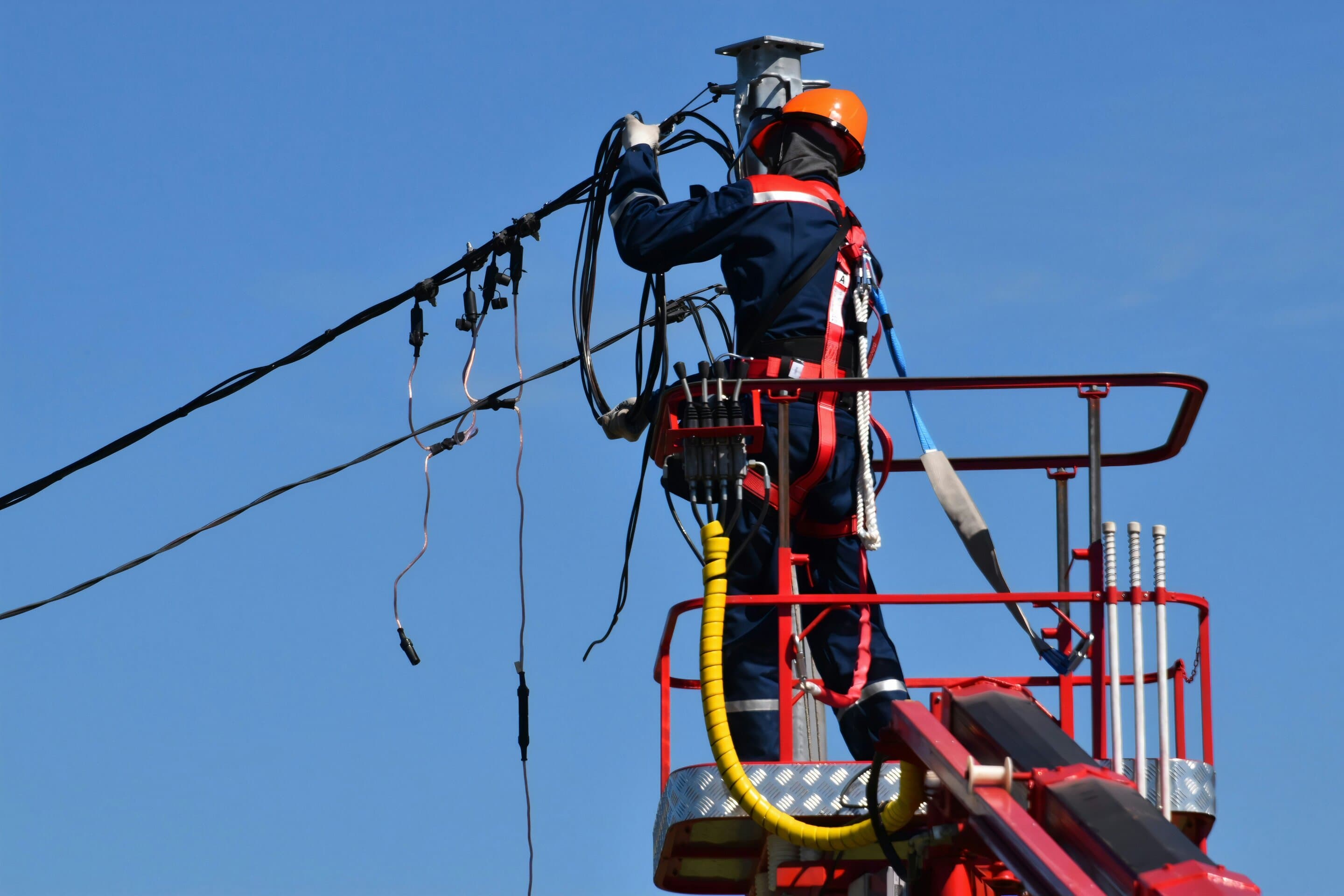
Image: TechXplore
MIT researchers say the future reliability of power grids may depend less on adding more renewables than on where those projects are built. In a study published in Nature Energy, the team combined fine-scale meteorology with detailed energy-system simulations and found that grids designed around historic climate conditions could see up to a fivefold increase in energy shortfalls by 2050, raising blackout risk.
The researchers tested the framework on decarbonized energy systems in New England and Texas. In both cases, accounting for future climate conditions when siting wind, solar, storage, and transmission improved resilience at no or little additional cost.
“As we mitigate climate change with renewables, we can also adapt to climate change by using future weather projections in our power system planning, and the extra costs of that adaptation are, at least in this study, not much.”
What changed in New England and Texas
The team chose Texas and New England because they represent different climates and grid structures. Looking out to 2050—roughly the lifetime of wind and solar plants being built now—they found that the best locations for renewable projects in a future climate were meaningfully different from the best locations under past weather patterns.
If planners ignore that shift, climate change could increase energy failures by as much as 500% by 2050, driven mainly by multiday renewable shortfalls and system design choices such as the placement of solar farms and transmission lines.
Recommended reading
SpaceX tries Starship again with engine fixes and 20 satellites
In New England, the analysis suggests climate-related disruptions would require more solar capacity and transmission lines closer to demand centers such as cities. In Texas, the bigger problem was transmission constraints, and climate-informed planning would favor adding wind farms in West Texas to better match future demand.
“We need to think more about the when and where of adding renewables rather than only focusing on adding overall capacity.”
The paper’s authors are Liying Qiu, Rahman Khorramfar, Shen Wang, Michael Howland, and Saurabh Amin. Howland said the current modeling approach is too computationally expensive for daily grid operations, but the group hopes to develop faster tools that operators can use more easily. The paper is titled “Climate change reshapes resource adequacy risks and optimal renewable energy siting in wind and solar energy systems” and was published in Nature Energy (2026).

Frontier Editor
Dan is our resident futurist, covering electric mobility, space exploration, and the smart home. He's interested in atoms just as much as bits. Whether it's a new battery chemistry, a reusable rocket, or a protocol that finally makes IoT devices talk to each other, Dan breaks down the engineering that pushes humanity forward.
via TechXplore