• 2 min read
SpaceX tries Starship again with engine fixes and 20 satellites
SpaceX’s 13th Starship test could launch July 16 with new engine changes, a revised flip maneuver, and 20 real Starlink V3 satellites onboard.
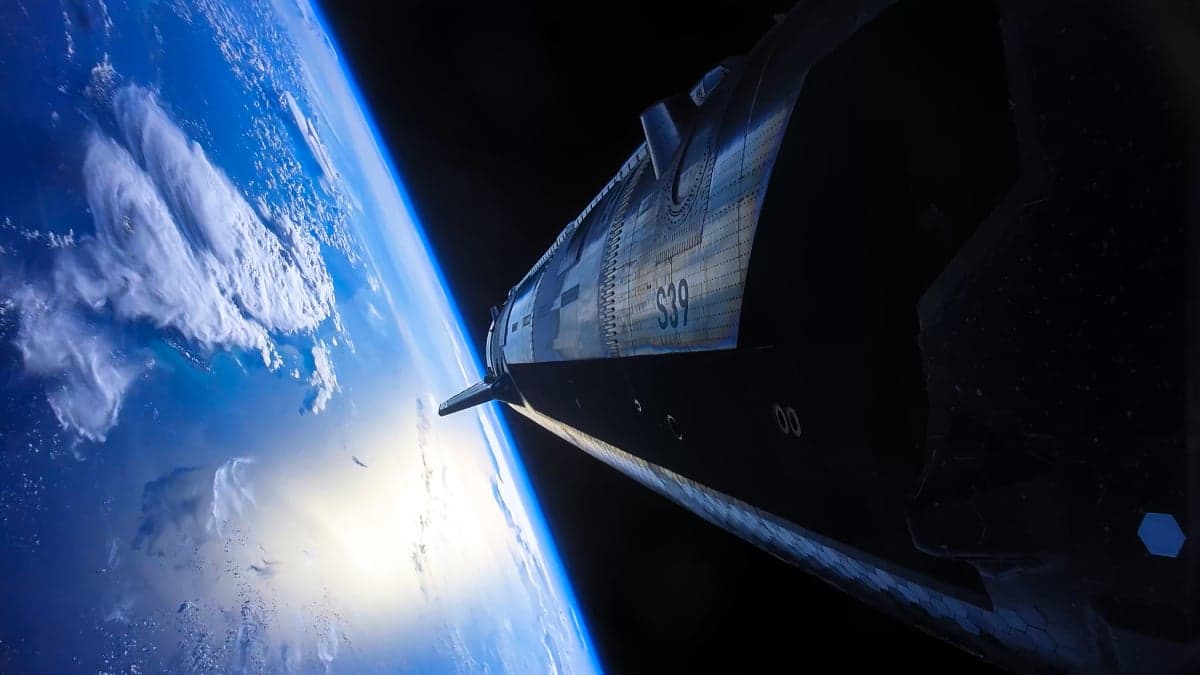
Image: Mashable
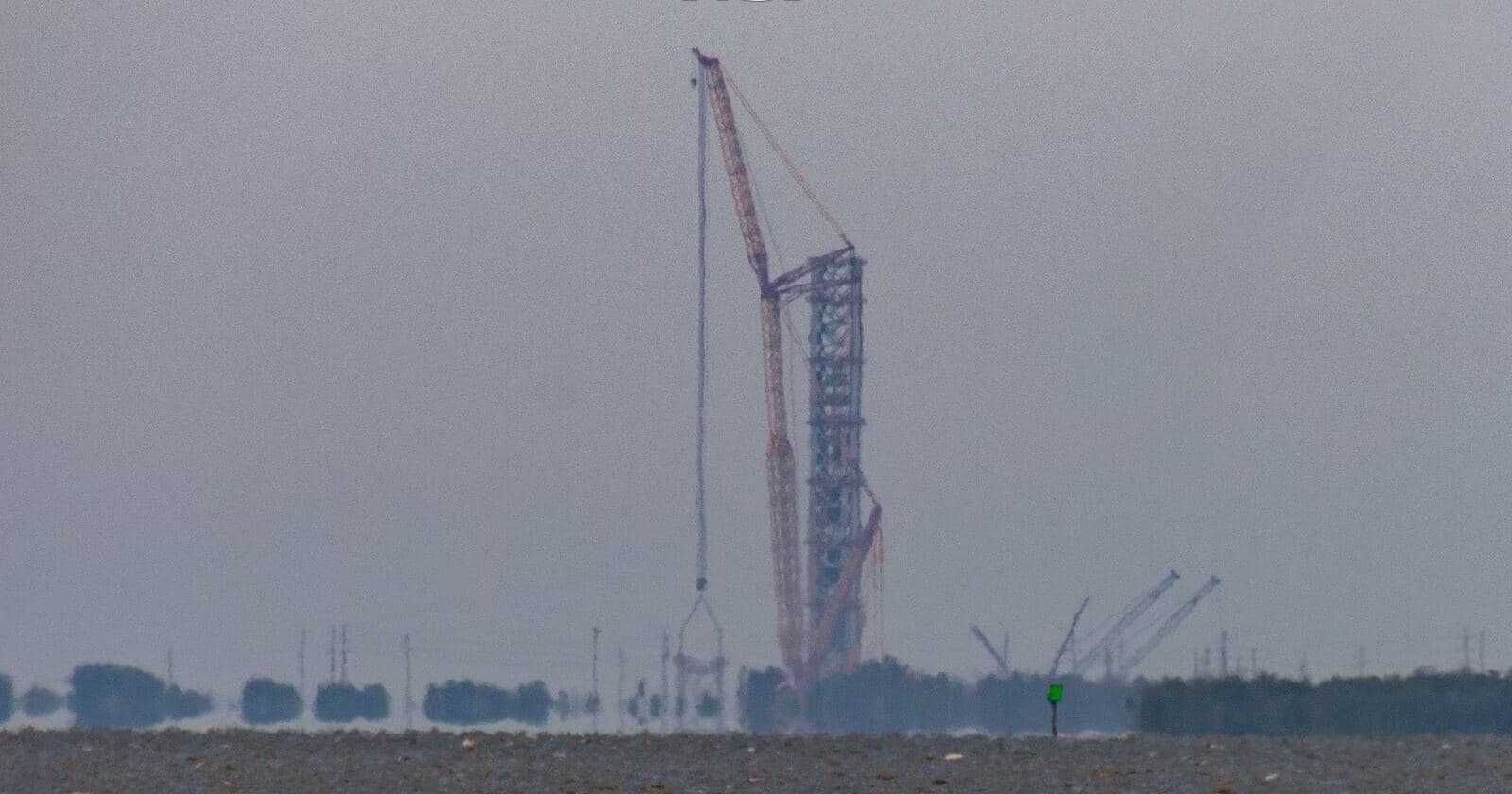
SpaceX is preparing its 13th test flight of Starship after a rough attempt in May, with engineers focusing on new engine fixes, a revised flip maneuver, and fresh heat-shield experiments.
The company wants the rocket booster to separate cleanly from the ship, rotate into the correct position, restart its engines, and make a soft splashdown in the Gulf of Mexico. SpaceX has also changed how the engines ignite and adjusted the landing sequence for the ship, which is set to come down in the Indian Ocean. Those changes follow the 12th flight’s failed flip and several problems restarting engines.
This mission also gives Starship a more practical role. Instead of dummy payloads, it will carry 20 real satellites — Starlink V3 internet satellites. Some are equipped with cameras and sensors to collect data on the rocket’s heat shield during reentry.
The launch could happen on Thursday, July 16, with liftoff possible as early as 5:45 p.m. CT. SpaceX says it will stream the South Texas launch on its website and on X, with coverage expected to begin about 30 minutes before launch. As usual, the timing could slip because of weather, high winds, boats entering the safety zone, or technical issues.
Once in flight, Starship will attempt to act more like an operational deep-space vehicle. It is expected to deploy the satellites, then try to restart a single engine while coasting, a capability SpaceX says it will need for future course changes and moon missions. The satellites are not designed to remain in orbit; they will follow Starship’s short trajectory and burn up in the atmosphere about 20 minutes after separation.
Recommended reading
By 2050, bad energy siting could raise blackout risk 5x
In SpaceX’s short documentary “Critical Path,” company officials describe the fast-test approach behind the program.
“We want to make sure the vehicle’s all ready to go. We want to make sure the ground’s all ready to go, but we also don’t want to be caught in analysis paralysis.”
The film also shows the final days before the previous flight, including aborted countdowns, a launch tower arm that would not retract, and a massive tower chain that had to be replaced in roughly 1.5 days.
“I personally have never felt any pressure from Elon of like, 'It doesn’t matter, hell or high water, we’re flying this rocket.' Like, absolutely not. That’s not his style.” “And, like I said, the critical path to Mars is not blowing up rockets.”

Frontier Editor
Dan is our resident futurist, covering electric mobility, space exploration, and the smart home. He's interested in atoms just as much as bits. Whether it's a new battery chemistry, a reusable rocket, or a protocol that finally makes IoT devices talk to each other, Dan breaks down the engineering that pushes humanity forward.
via Mashable