• 3 min read
ChatGPT ads shake up the digital marketing landscape
On February 9, a formidable contender entered the digital ad arena: ChatGPT Ads. While advertising inside large language models (LLMs) isn’t completely new-Microsoft reported a 73% jump in click-through rates for its AI-

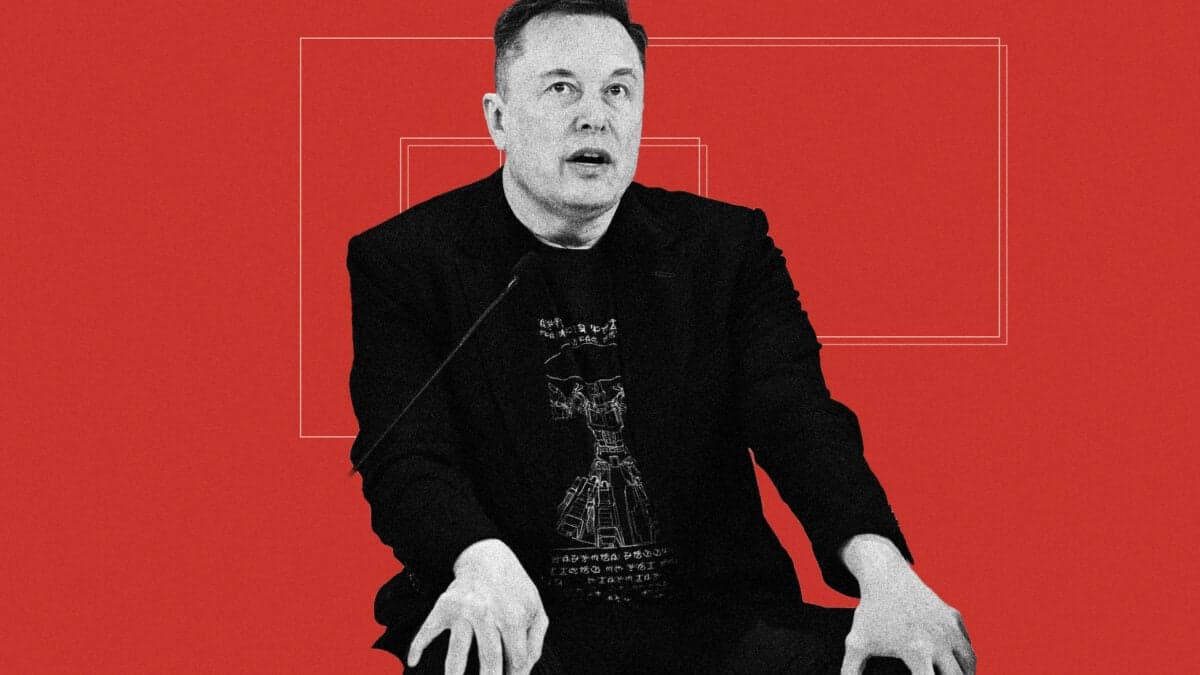
Image: inc.com
On February 9, a formidable contender entered the digital ad arena: ChatGPT Ads. While advertising inside large language models (LLMs) isn’t completely new-Microsoft reported a 73% jump in click-through rates for its AI-powered ad formats earlier in 2024-ChatGPT is now setting the stage for a whole new kind of user engagement with AI.
Google Ads has dominated the market for over 25 years, but ChatGPT’s billion-strong audience actively seeking AI-powered conversations offers a unique advertising opportunity. This shift is pushing businesses to rethink their strategies to target customers right where they ask questions and make decisions-in the chat itself.
What makes advertising in ChatGPT different?
Though ChatGPT Ads aren’t open to the general public yet, marketers are already asking: When exactly are potential customers reaching out to AI-during research, comparison, or final decision-making stages?
Launching campaigns successfully means:
Recommended reading
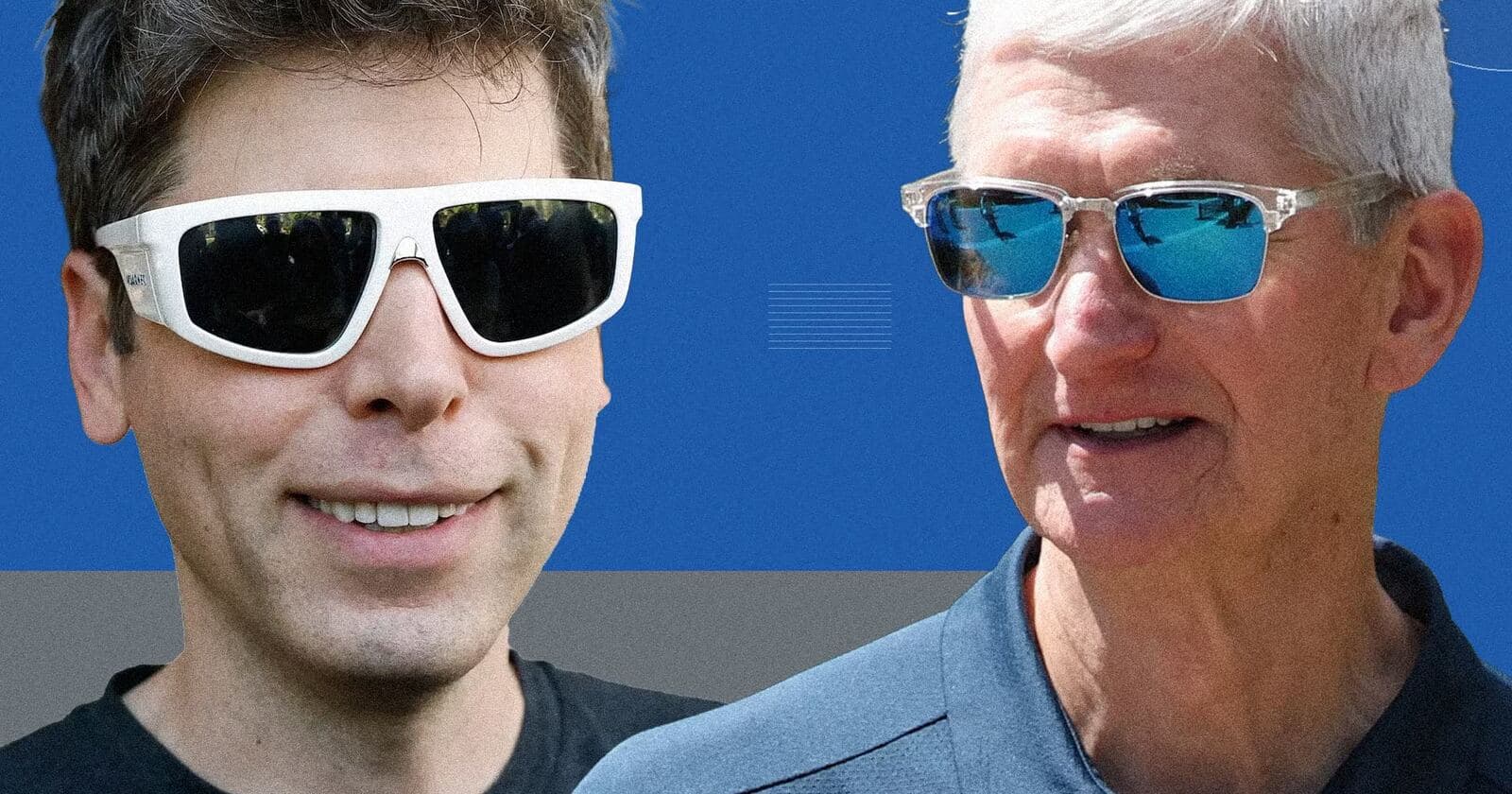
Apple broadens OpenAI fight as hardware ambitions grow
- Identifying key moments when users interact with ChatGPT;
- Mapping user journeys to targeted landing pages based on their buying stage;
- Assigning a dedicated team or agency to manage this new ad format.
From paid ads to generative engine optimization (GEO)
With a starting price tag around $200,000, ChatGPT Ads come with a hefty cost that may be out of reach for many companies. That’s why many are turning to generative engine optimization (GEO)-a strategy to organically appear in AI-driven conversation results without paying for ads. GEO complements paid ads by broadening reach without blowing budgets.
The platform will likely ease entry barriers over time, first welcoming big players before scaling to a wider audience. Expect advertising within large language models to become the new battleground for user attention.
What marketers need to do right now
It’s time to review budgets and strategies. If you haven’t explored advertising on Google or Microsoft’s ChatGPT yet, now’s the moment to experiment with Performance Max and similar tools. The big question: Should your in-house team handle this, or is it better to bring in seasoned partners familiar with this emerging platform?
As traditional digital advertising models face challenges, ChatGPT Ads offer a fast track to capturing audiences through direct, conversational interactions. Ignoring this trend means missing out on tools already reshaping how companies compete.
Why this matters beyond Russia: For Russian marketers, ChatGPT Ads represent not just a new channel but an opportunity to leap past entrenched players like Yandex in search advertising. Internationally, as global brands pivot to next-gen AI-driven marketing, understanding and mastering conversational ad formats is crucial for anyone wanting to stay competitive in an AI-first world.
Analysis: The advent of advertising in conversational AI platforms like ChatGPT signals a fundamental shift from traditional display and search ads to more personalized, context-aware marketing. Given the soaring costs, companies might initially feel priced out, yet the parallel rise of generative engine optimization offers a tactical workaround to build presence organically. Businesses that strike the right balance between paid campaigns and organic optimization will have a significant edge in engaging users who expect real-time, dialogue-driven experiences. As this space evolves, expect rapid innovation in ad formats, targeting precision, and performance measurement. In short, ChatGPT Ads are poised to redefine digital marketing, and the early adopters will set the tone for how brands connect with customers in the AI era.

AI Editor
Ava covers the rapidly evolving world of artificial intelligence, from foundational models and research labs to the real-world economics of intelligence. With a background in computational linguistics, she cuts through the hype to find out what actually works. She firmly believes that benchmarks are just marketing until reproduced in the wild.
via inc.com