• 2 min read
Apple and Google told to remove 13 'nudify' apps
San Francisco city attorney David Chiu sent cease-and-desist letters demanding Apple and Google remove 13 deepfake nude apps.
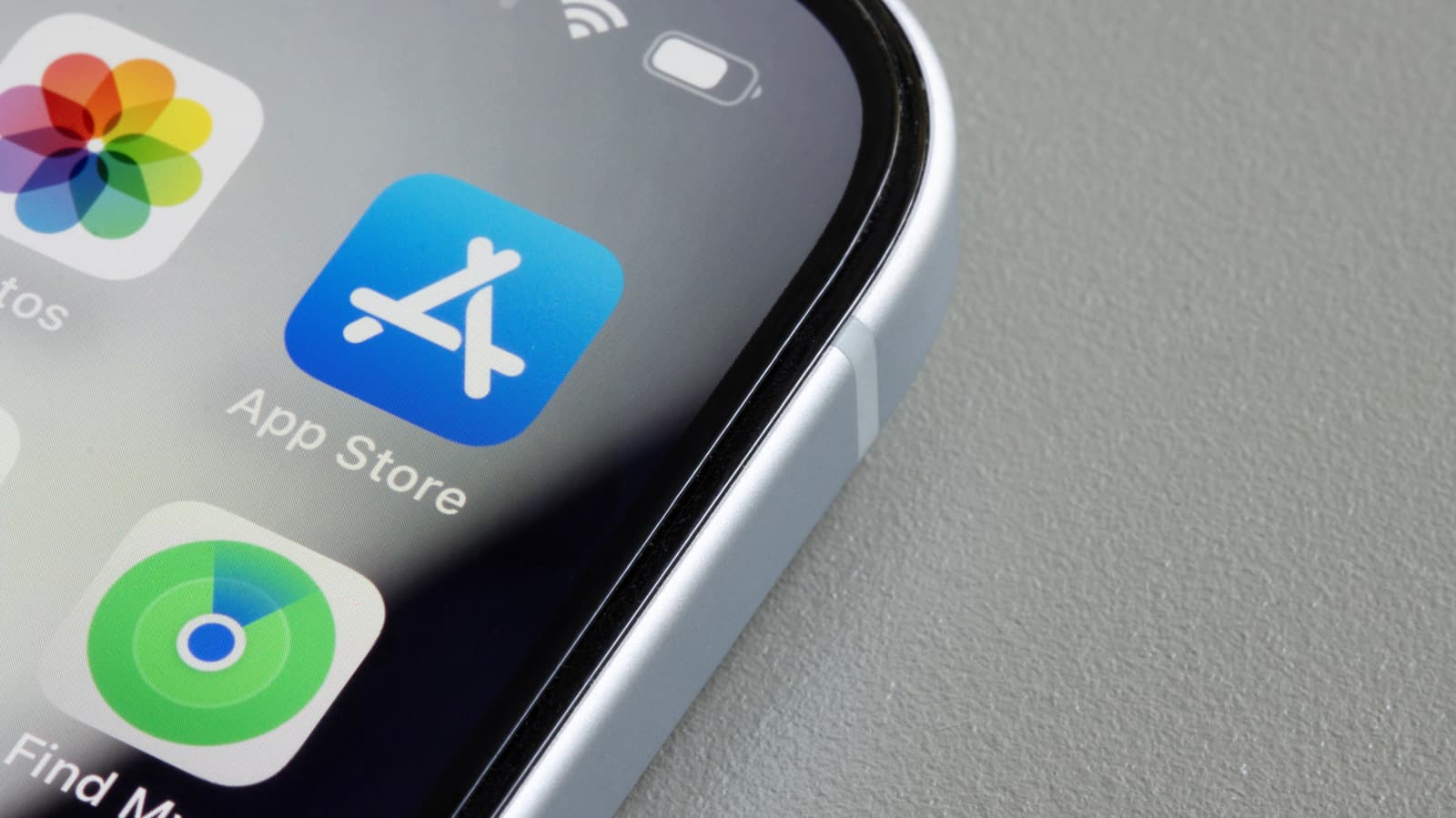
Image: Engadget
Apple and Google have been ordered by San Francisco city attorney David Chiu to remove 13 AI-powered “nudify” apps from their app stores, according to Wired.
Chiu sent cease-and-desist letters to both companies, asking them to stop distributing apps that can generate deepfake nude images and to stop working with the developers behind them. The letters argue that Apple and Google are “aiding and abetting” the spread of nonconsensual intimate images.
This follows Chiu’s earlier lawsuit against 16 websites accused of using AI to turn photos of real women and girls into pornography. He told Wired that Apple and Google have likely made millions from in-app payments tied to the apps and said their stores need stronger moderation to keep such software from being approved.

Recommended reading
LG faces backlash over monitor installs and TV voice terms
The pressure comes after a report earlier this year from The Tech Transparency Project (TTP), which said nudification apps were routinely slipping past Apple and Google’s review systems. The report also alleged that some were actively promoted on the App Store and Google Play, and that many carried an “E” for Everyone rating, making them available to children. According to TTP, users could find them simply by searching terms like “nudify” or “undress.” That is despite both companies having policies banning sexual or pornographic material.
Other tech companies are facing similar scrutiny. Meta’s Oversight Board recently urged the company to better protect ordinary people targeted by deepfakes, saying existing safeguards appear to favor public figures. Elon Musk’s xAI is also facing several lawsuits over nonconsensual deepfakes.
A Google spokesperson told Wired the company had removed “hundreds” of apps with nudification features, including five identified by Chiu, and said it takes “swift action” when apps violate its policies. Apple did not comment before publication, according to Wired.

Security Editor
Sophia unpacks the invisible wars happening on our networks. Covering cybersecurity, privacy legislation, and cryptography, she exposes how our data is weaponized and defended. Before joining for(geeks), she spent years as a penetration tester. She's the reason the rest of the team uses physical security keys.
via Engadget