• 2 min read
Crimson Desert developers confirm limited use of AI-generated assets in early development
After players spotted odd images in Crimson Desert, developer Pearl Abyss faced backlash over suspected use of questionable development methods. The studio responded by confirming it did employ generative artificial inte
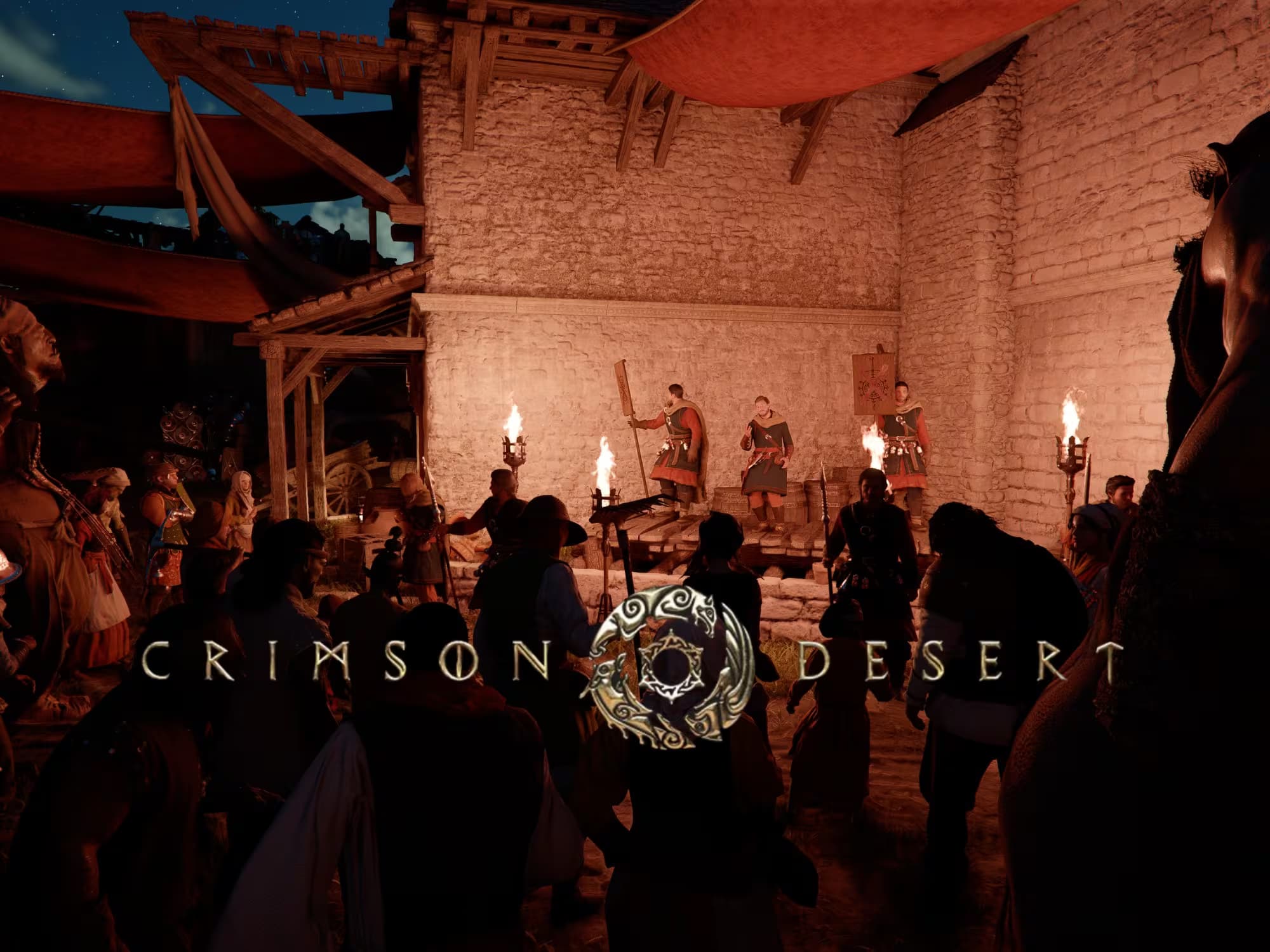
Image: NotebookCheck
After players spotted odd images in Crimson Desert, developer Pearl Abyss faced backlash over suspected use of questionable development methods. The studio responded by confirming it did employ generative artificial intelligence, but only to create temporary assets early in the game’s development. Some of those AI-generated images mistakenly ended up in the final release.
Pearl Abyss explained that “2D environmental visuals were produced during prototyping using experimental AI tools.” These temporary assets helped the team quickly test the game’s atmosphere and style but were meant to be replaced by hand-crafted art before launch. That step was overlooked, resulting in some AI content appearing in players' hands in the released game.
The studio apologized for the oversight and said it is currently auditing all game materials to ensure no other AI-created placeholders remain. Upcoming updates will remove the contested AI-generated images.

Recommended reading
xAI Sues Grok User Over Child Abuse Images
We would like to address questions regarding the use of AI in Crimson Desert. During development, some 2D visual props were created as part of early-stage iteration using experimental AI generative tools. These assets helped us rapidly explore tone and atmosphere in the earlier…— Crimson Desert (@CrimsonDesert_) March 22, 2026
Valve has updated Crimson Desert’s Steam page with a disclaimer noting that generative AI was used in a limited capacity to create some 2D environmental elements. The notice highlights that these AI assets were intended to be temporary, following Valve’s recent policies on transparency around AI use in games.
Reddit users first raised concerns after spotting unusual imagery in-game, such as distorted human figures. There were also suspicions that AI tools were used for translating dialogues into German and other languages, although Pearl Abyss has not confirmed this translation use.
While Pearl Abyss’s clarification has somewhat calmed criticism, many note that AI-related controversies are becoming increasingly common in game development. For example, Clair Obscur: Expedition 33 was disqualified from the Indie Game Awards after traces of AI use were discovered. Its developer, Sandfall, similarly claimed that the AI assets were only temporary placeholders during production.
Crimson Desert is a massive undertaking, with around 250 developers working on the sprawling open world of Pywel. Despite Pearl Abyss’s considerable resources, some players argue that the studio could have prevented AI-generated placeholders from appearing in the final build.
The controversy adds to the ongoing debate about the role of AI in game development workflows and how transparent studios should be about its use. As AI tools become more prevalent, players and industry bodies will continue to monitor how these technologies influence creative processes and final products.

AI Editor
Ava covers the rapidly evolving world of artificial intelligence, from foundational models and research labs to the real-world economics of intelligence. With a background in computational linguistics, she cuts through the hype to find out what actually works. She firmly believes that benchmarks are just marketing until reproduced in the wild.
via NotebookCheck