• 2 min read
Driving Slower Could Save $22M a Day in Fuel
University of Minnesota researchers say strict speed-limit compliance in the US could save $22 million in fuel daily.
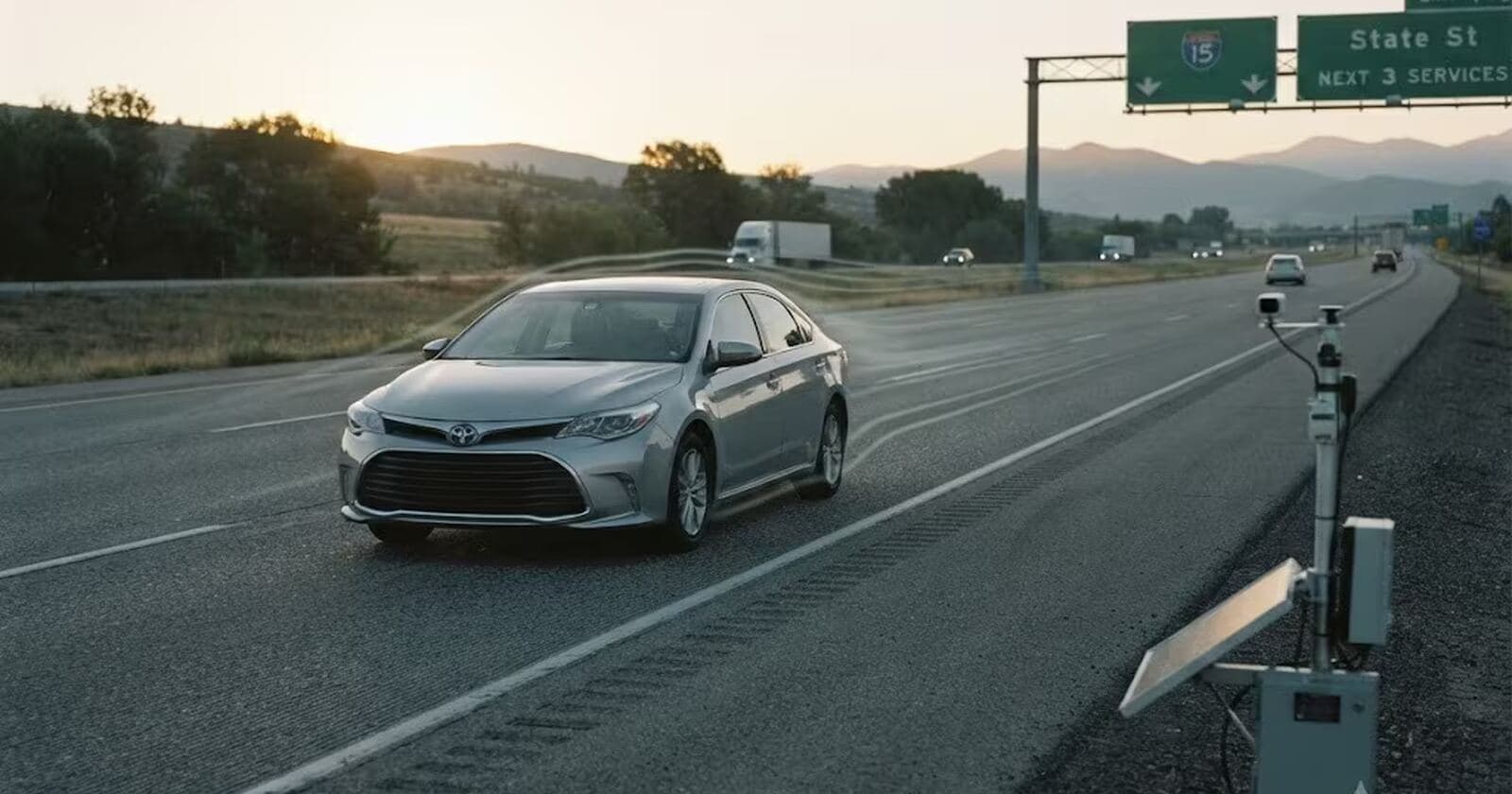
Image: ITzine
Strictly following speed limits on US roads could save about $22 million in fuel every day, according to calculations by the University of Minnesota. The same estimates point to daily reductions of 6.7 million gallons of gasoline and diesel and 57,000 metric tons of CO2.
This was not based on a single highway or a closed test track. Researchers analyzed data from more than 120 million trips, matching them with speed limits, terrain, and vehicle energy-use models. The team used tools from the National Renewable Energy Laboratory (NREL) for the calculations.
The most striking result is how little time drivers would lose: calmer driving would add less than one minute to the average daily trip. That matters in the US because internal combustion engine vehicles still account for 14.6% of the country’s total energy consumption, and many cars on the road still see fuel use rise directly with speed.
The physics is straightforward: the faster a vehicle goes, the more energy it needs to keep moving, and aerodynamic drag rises with speed. The Minnesota team’s contribution was scaling that question up to the level of the entire US road network.
Recommended reading
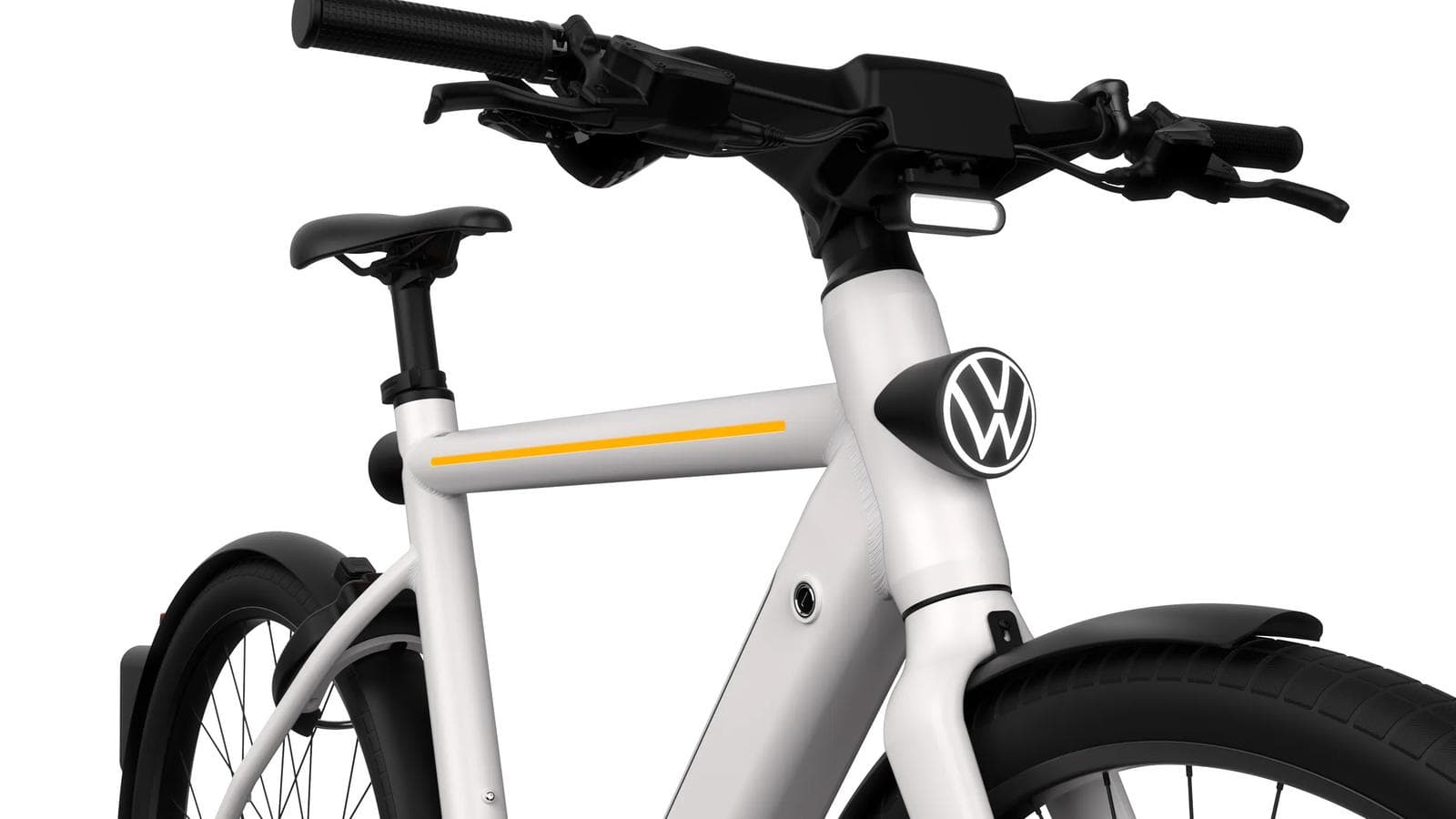
Volkswagen’s new e-bike adds radar and a rear camera
The researchers also note that while cars have become more efficient, engines have also grown more powerful. That makes it easier for drivers to accelerate quickly — and easier to burn more fuel. Against that backdrop, speed limits look like one of the cheapest ways to cut consumption without replacing the entire vehicle fleet or waiting for EVs to displace conventional cars.
Next, the team plans to study more than speed alone. It wants to examine hard acceleration and other driving maneuvers that can also significantly affect energy use. For that work, the researchers will use a sensor-equipped electric vehicle to collect real-time data on driver behavior.

Frontier Editor
Dan is our resident futurist, covering electric mobility, space exploration, and the smart home. He's interested in atoms just as much as bits. Whether it's a new battery chemistry, a reusable rocket, or a protocol that finally makes IoT devices talk to each other, Dan breaks down the engineering that pushes humanity forward.
via ITzine