• 3 min read
EV test drives can cut adoption, study finds
New research says extended EV test drives can push some buyers back to gas cars, and may even blunt the effect of tougher fuel-economy rules.
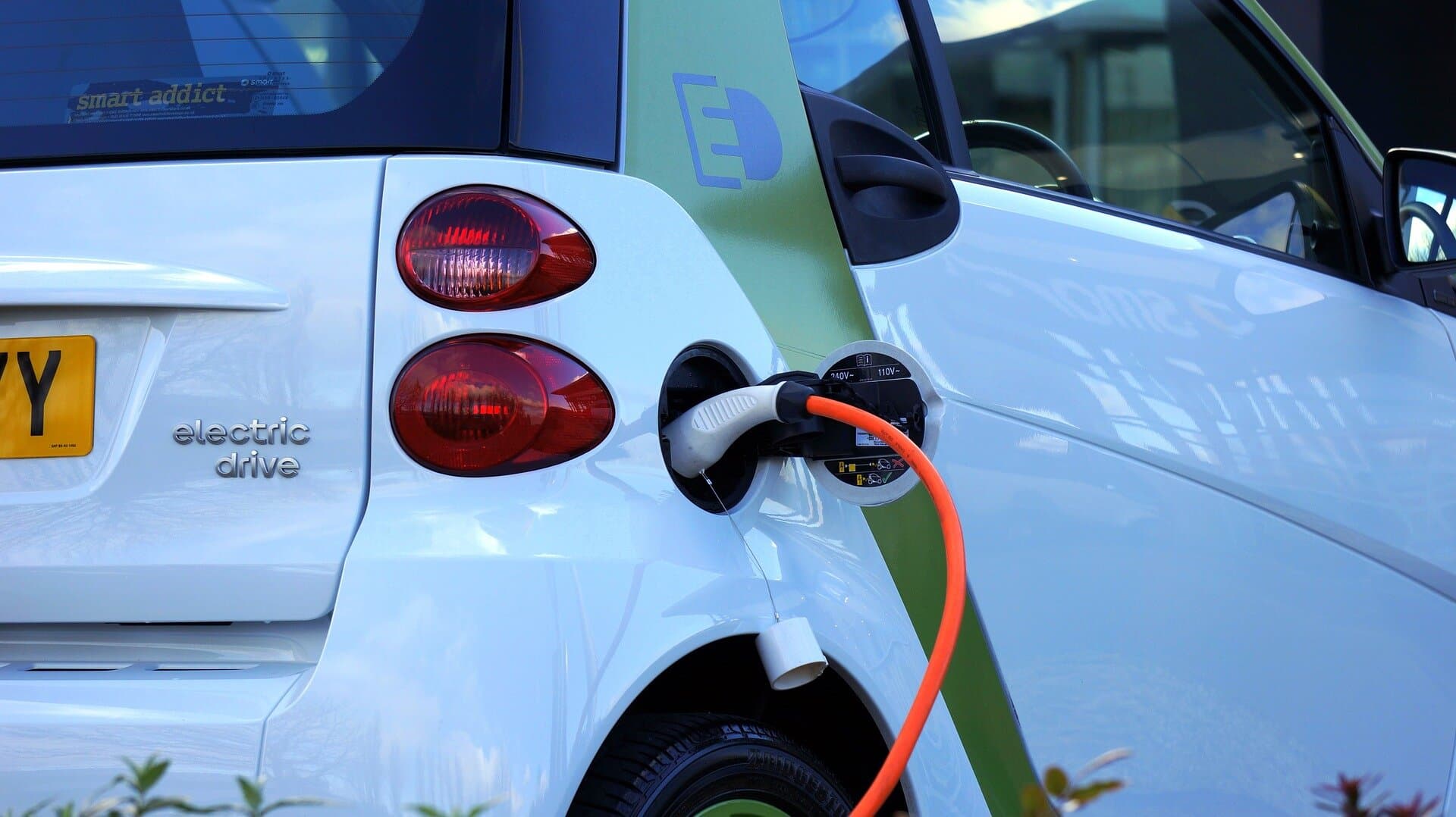
Image: TechXplore
Extended EV test drives are meant to reduce range anxiety and help close sales. But new research suggests they can also do the opposite: convince some would-be buyers that an electric car will not meet their needs, sending them back to internal combustion engine (ICE) vehicles.
The study, published in Production and Operations Management, comes from Ioannis Bellos and Hang Ren of George Mason University’s Costello College of Business, with Vishal Agrawal of Georgetown University. The researchers examined one of dealers' main tools for nudging buyers toward EVs: longer hands-on trials such as BMW’s Extended Test Drive Program and Volvo’s Test Drive+, which can lend vehicles for several days.
“A car’s advertised range is public, but the range a driver actually gets depends on personal habits and conditions they can only learn through hands-on experience—which is why dealer demonstrations like extended test drives matter.”
Using a game-theoretic model with buyers who had different mobility needs, the researchers found that test drives can either ease doubts or reinforce them. That matters especially for drivers with high usage, who might otherwise lean toward an EV because they spend more on fuel. If the trial leaves them with a poor impression of real-world range, they may reject the EV entirely.
“Offering demonstration service does not always mean that you’ll be convincing the customer to switch to an EV. As a matter of fact, it may do the opposite—if the test drive convinces the customer that the achievable range is not enough to meet their needs.”
Dealer incentives and policy effects
The model also points to a shift in dealer behavior as EV production costs fall. When EVs become cheaper to make and more profitable, dealers initially have more reason to offer as many extended test drives as possible. But below a certain production-cost threshold, the upside from EV sales becomes large enough that dealers may prefer not to risk losing customers after a disappointing trial.
The environmental effect can also cut the wrong way. Ren said two customers can cancel each other out on adoption—one switched to EVs by a test drive, another pushed away by it—while emissions still rise because the buyer who walks away is often the heavier driver.
Recommended reading
Tesla puts Starlink V5 into Cybercab’s roof
The paper says test drives may even weaken the impact of tighter CAFE standards from the U.S. Department of Transportation. Those rules push automakers toward more fuel-efficient vehicles, including EVs, but they do not apply to dealers. According to the researchers, stricter standards reliably increase EV adoption without test drives; once dealers offer them, a sufficiently strict standard can leave adoption lower than it otherwise would be.
Bellos and Ren call dealer demonstrations a “powerful but double-edged lever” whose benefits may fade as the EV market matures.

Frontier Editor
Dan is our resident futurist, covering electric mobility, space exploration, and the smart home. He's interested in atoms just as much as bits. Whether it's a new battery chemistry, a reusable rocket, or a protocol that finally makes IoT devices talk to each other, Dan breaks down the engineering that pushes humanity forward.
via TechXplore