• 2 min read
Falcon 9 booster retires after 32nd flight
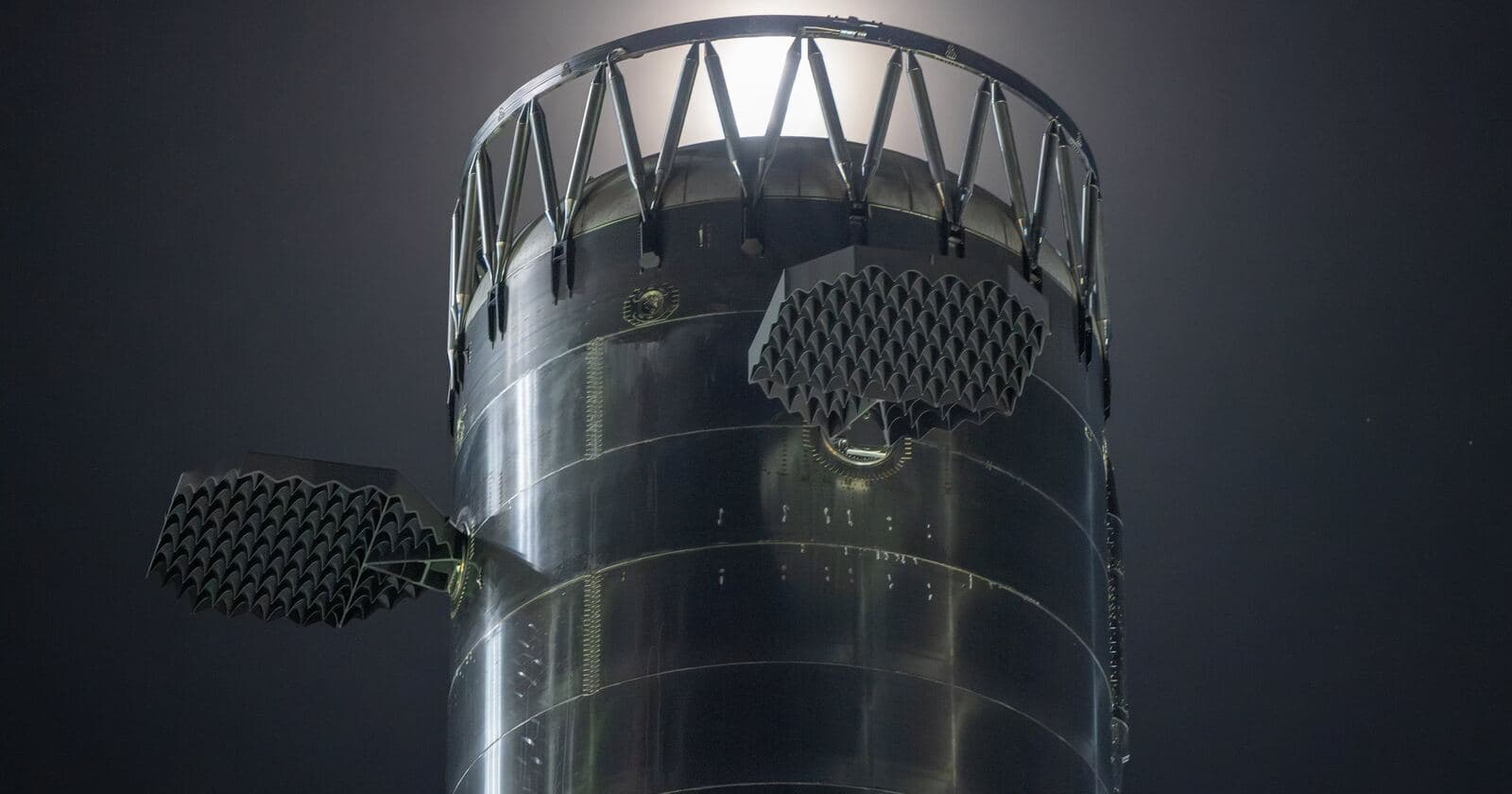
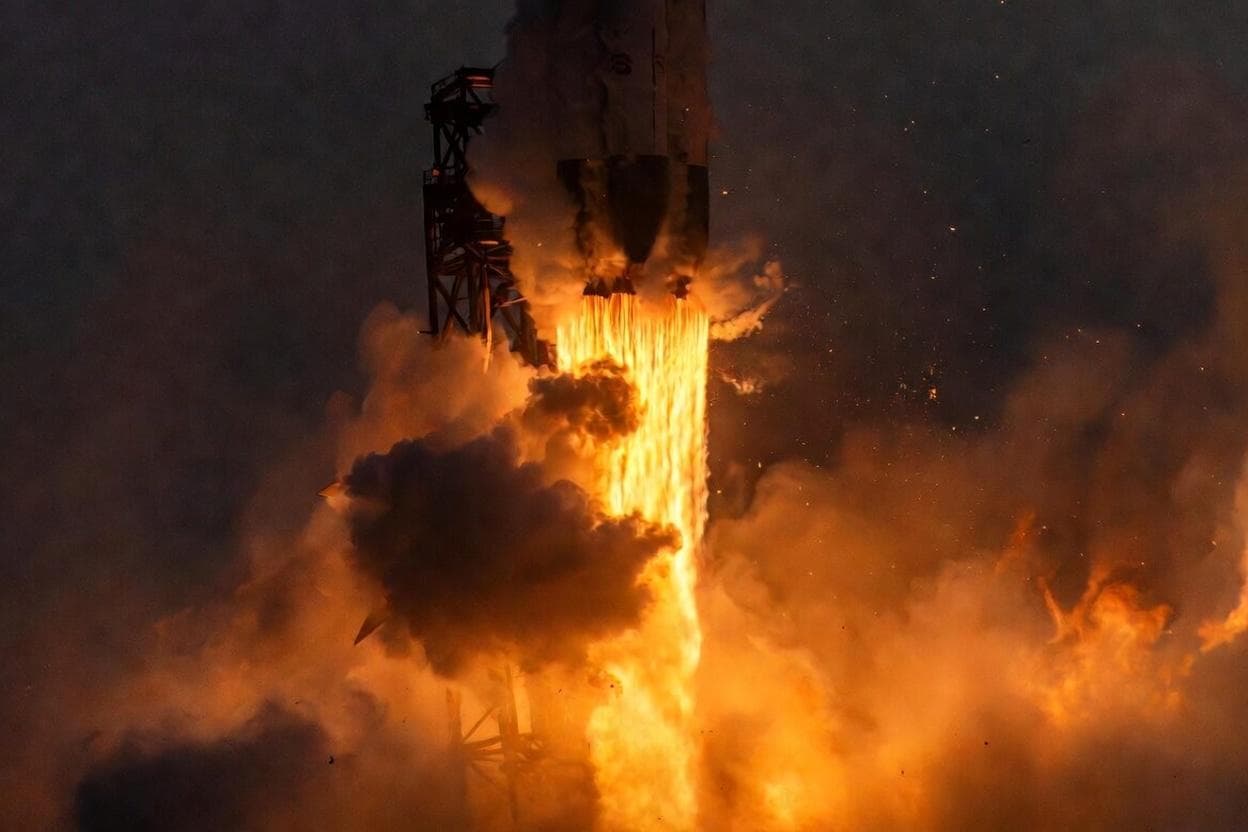
A SpaceX Falcon 9 first stage flew for the 32nd and final time on July 21, launching Northrop Grumman’s MRV-MEP mission to geostationary transfer orbit.
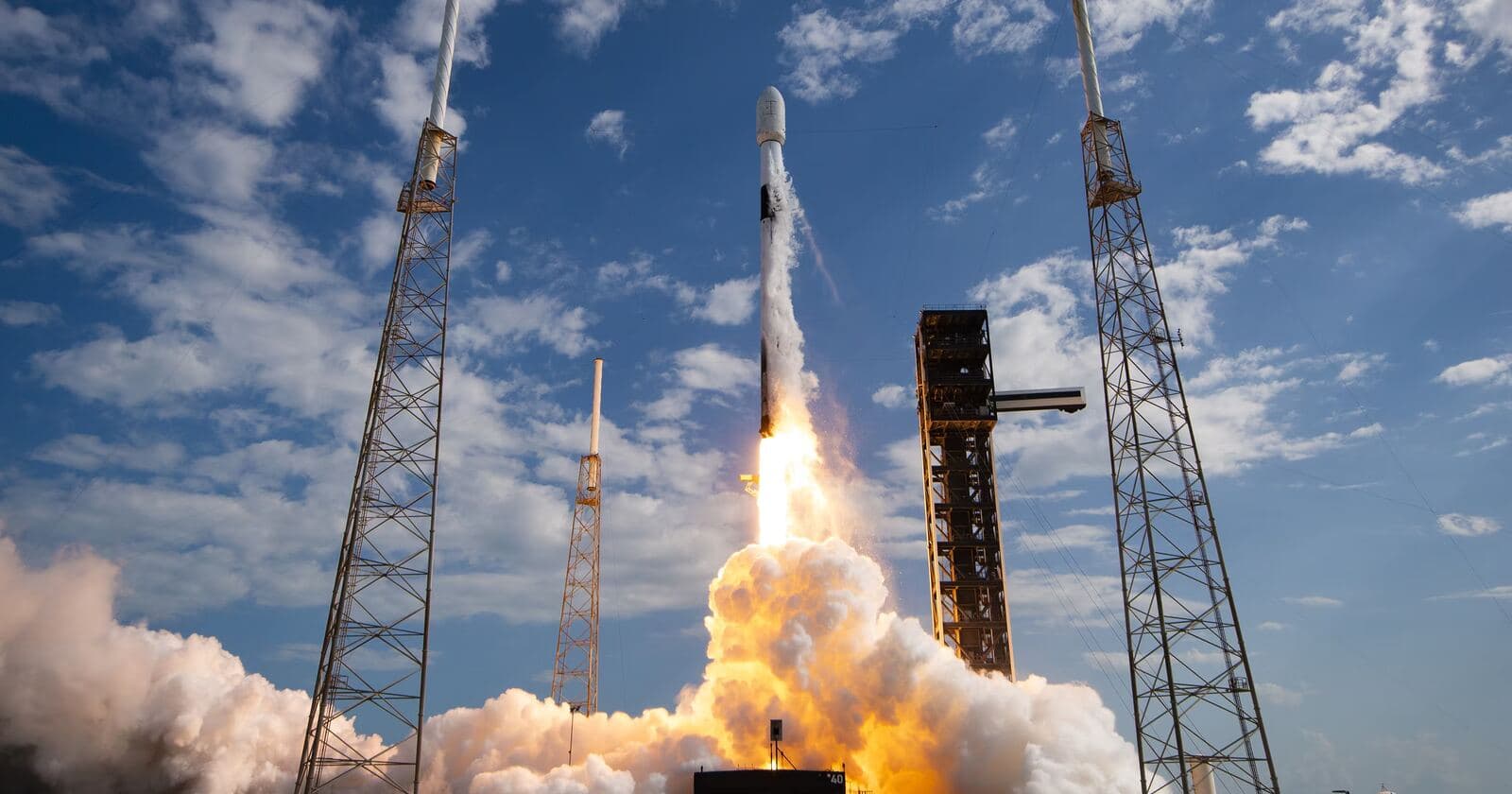
Image: ITzine
A SpaceX Falcon 9 first stage has completed its 32nd and final flight. The booster launched on July 21 from Cape Canaveral, sending Northrop Grumman’s MRV-MEP mission to geostationary transfer orbit before ending its service career.
The payload combined a Mission Robotic Vehicle equipped with robotic manipulators and three Mission Extension Pod modules. The system is designed to service satellites in geostationary orbit: the pods are meant to dock with customer spacecraft and extend their operational life by about six years.
For Northrop Grumman, the mission is also a notable test of a different satellite business model: servicing spacecraft already in orbit instead of replacing them early. The source frames that as a still-niche market, but one that could show whether on-orbit satellite repair and life extension can become commercially viable.
The article was written by Maxim Tretyakov, a technical columnist at ITzine who, according to the publication, has prepared 740 pieces covering smartphone launches, neural network features in consumer gadgets, and the Russian auto industry.

Recommended reading
JWST spots the same unknown organic on Pluto and Titan

Frontier Editor
Dan is our resident futurist, covering electric mobility, space exploration, and the smart home. He's interested in atoms just as much as bits. Whether it's a new battery chemistry, a reusable rocket, or a protocol that finally makes IoT devices talk to each other, Dan breaks down the engineering that pushes humanity forward.
via ITzine