• 2 min read
Flock Drops Distress Detection After Privacy Backlash
Flock has scrapped its trial feature that used acoustic sensors to detect screams and panic, but privacy groups say broader surveillance concerns remain.
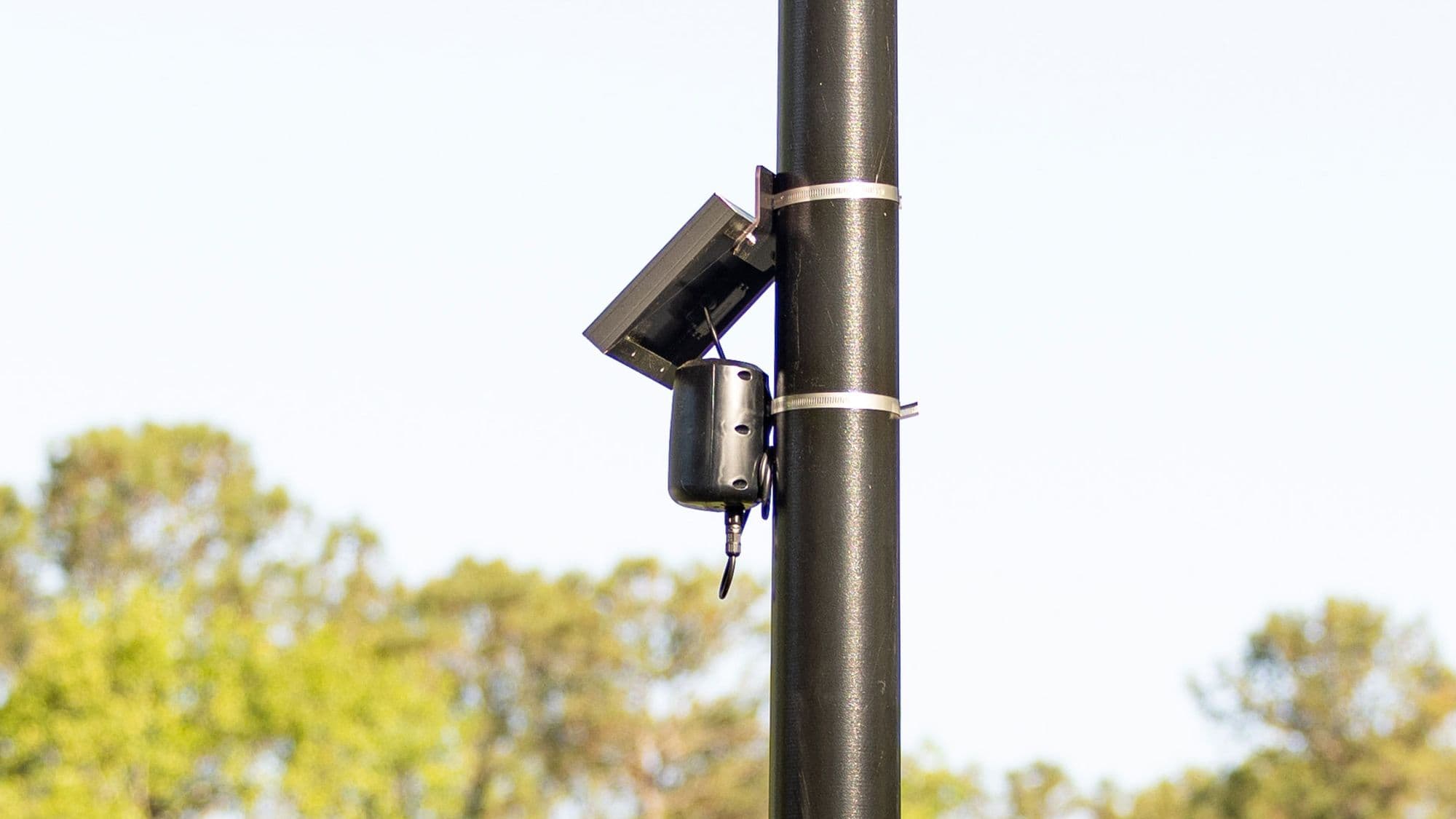
Image: TechRadar
Flock has abandoned plans to expand a “human distress detection” feature that used its network of urban acoustic detectors to listen for signs of screaming or panic and alert police. The capability had only been tested in a small trial, but it quickly became one of the company’s most controversial surveillance efforts.
After what Flock described as “careful consideration and community consultation,” the company said it is removing the human distress component. Its acoustic detectors will stay in place and will continue monitoring for sounds such as gunshots and vehicle crashes, but the distress-detection experiment is over.
In a defense of the system, Flock said “the system cannot understand speech, analyze language, or identify voices”. The company also said audio is not recorded by default, though a rolling five-second window is continuously processed. If the system detects a matching event, that clip is then processed, encrypted, and stored.
Privacy groups call it mission creep
Consumer and privacy advocates welcomed the reversal, while arguing it reinforces long-running fears about how surveillance tools expand over time. The Electronic Frontier Foundation called the decision a “victory” for campaigners, but said it remains concerned about the gunshot and collision detection functions that are still active.

Recommended reading
61 infrastructure advisories top July patch list
“Gunshot-detecting microphones eventually being used to listen for screaming is exactly the type of mission creep that we’ve seen happen with other pieces of surveillance technology, including Flock’s license plate readers.”
Skepticism remains high outside advocacy groups too. According to the source, much of the online reaction suggested users do not trust Flock to keep the microphones limited to the uses it describes. That distrust is compounded by allegations that company representatives have previously misrepresented what its devices can do and what data they collect.
Flock is already under heavy scrutiny over its widely deployed license plate cameras, and dropping the distress-detection feature is unlikely to end the broader fight over how far its surveillance network should reach.

Security Editor
Sophia unpacks the invisible wars happening on our networks. Covering cybersecurity, privacy legislation, and cryptography, she exposes how our data is weaponized and defended. Before joining for(geeks), she spent years as a penetration tester. She's the reason the rest of the team uses physical security keys.
via TechRadar