• 2 min read
Galaxy S26 and S26+ introduce 5x zoom in Portrait mode without new hardware
Samsung’s Galaxy S26 and S26+ smartphones bring a subtle but welcome upgrade to Portrait photography: a new 5x zoom option. Unlike a hardware refresh, these models still carry the same camera modules from the Galaxy S25
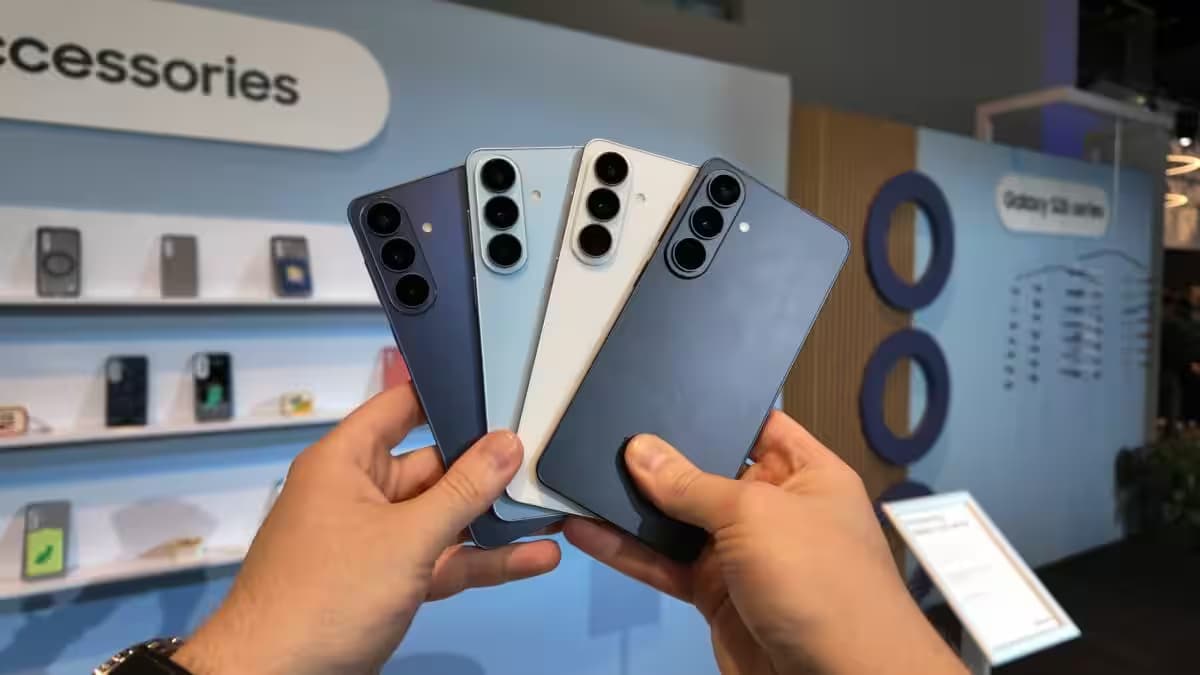
Samsung’s Galaxy S26 and S26+ smartphones bring a subtle but welcome upgrade to Portrait photography: a new 5x zoom option. Unlike a hardware refresh, these models still carry the same camera modules from the Galaxy S25 and S25+, but Samsung is enhancing capabilities through software improvements.
Previously, Portrait mode on the S25 series supported three zoom levels-1x and 2x, which used the primary sensor (with 2x achieved by cropping), and a 3x zoom using the telephoto lens. Now on the S26 and S26+, users gain a 5x focal length option, delivered by cropping further into the 3x telephoto sensor. This creates tighter subject framing and a narrower field of view, giving photos a more intimate feel without physically upgrading the camera hardware.
While some users may be disappointed the S26 series lacks camera hardware improvements, this software tweak showcases how computational photography continues to push smartphone cameras forward even with existing components. By cropping the 3x telephoto camera sensor more aggressively, Samsung approximates a longer zoom range in Portrait mode, commonly used for flattering subject-background separation.
This enhancement reflects a broader trend where manufacturers refine shooting modes through software updates, extracting more versatility without the costs and logistics of new sensors. For buyers focused on telephoto capabilities or portrait shots, the S26's new 5x zoom in Portrait mode provides greater flexibility until more substantial camera upgrades arrive in future models.

Recommended reading
xAI Sues Grok User Over Child Abuse Images
To be clear, the 5x zoom in Portrait mode does not involve optical zoom beyond the existing 3x telephoto lens-it is digital cropping within that sensor’s capture area. Still, this effect is useful for photographers seeking more subject emphasis and tighter composition without switching physical lenses.
This small software-driven leap demonstrates how smartphone photography depends heavily on clever processing techniques. If Samsung continues delivering meaningful camera improvements through software, it could maintain momentum between hardware cycles as competitors like Apple and Google push their own advances.

AI Editor
Ava covers the rapidly evolving world of artificial intelligence, from foundational models and research labs to the real-world economics of intelligence. With a background in computational linguistics, she cuts through the hype to find out what actually works. She firmly believes that benchmarks are just marketing until reproduced in the wild.