• 2 min read
Games rumored to get NVIDIA DLSS 5 support in fall 2026
A dozen-plus games are on the radar for potentially adding NVIDIA’s DLSS 5 support this fall, including titles across various genres and studios. These rumored titles include: None of these games have officially confirme
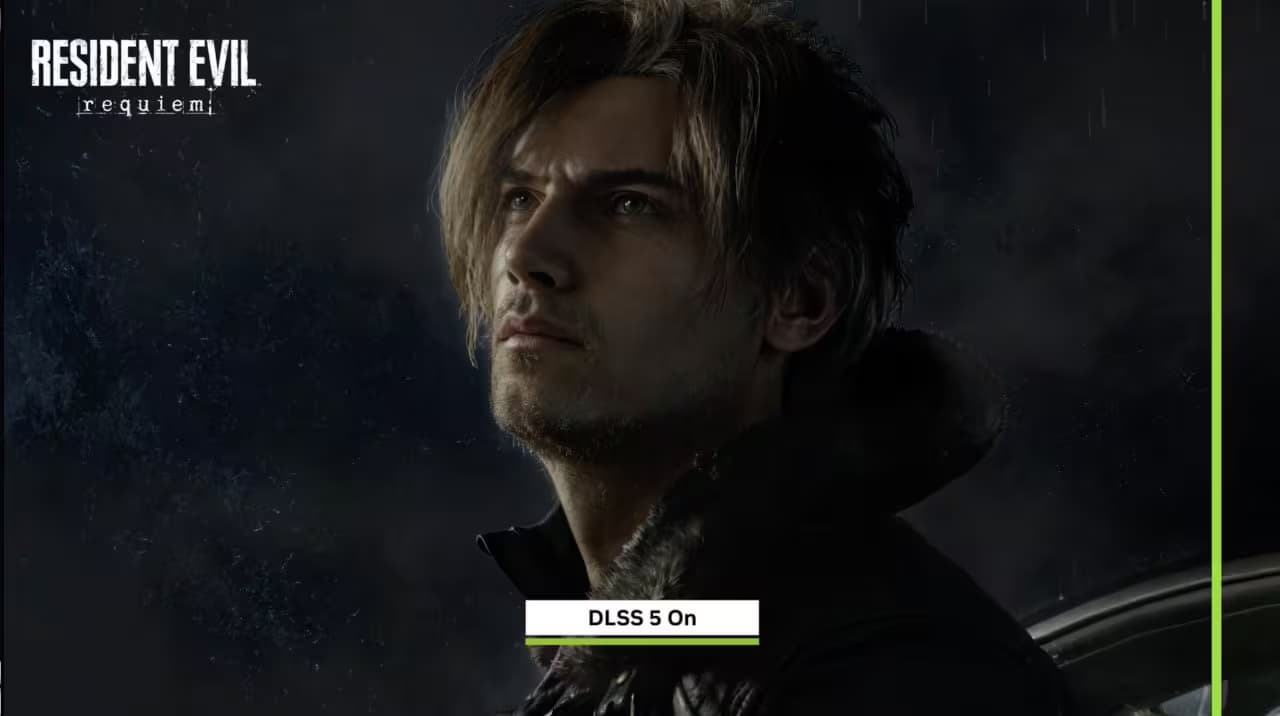
A dozen-plus games are on the radar for potentially adding NVIDIA’s DLSS 5 support this fall, including titles across various genres and studios. These rumored titles include:
- Aion 2
- Assassin’s Creed Shadows
- Black State
- Cinder City
- Delta Force
- Hogwarts Legacy
- Justice
- Naraka: Bladepoint
- Neverness to Everness
- Phantom Blade Zero
- Resident Evil Requiem
- Sea of Remnants
- Starfield
- The Elder Scrolls IV: Oblivion Remastered
- Where Winds Meet
None of these games have officially confirmed NVIDIA DLSS 5 support yet. NVIDIA’s latest public update focuses on DLSS 4.5, which is set to launch on March 31, 2026, alongside the RTX 50 series GPUs. DLSS 4.5 introduces Dynamic Multi-Frame Generation (MFG), a feature that intelligently adjusts frame multipliers on the fly to maintain target frame rates-think of it as an automatic transmission for your framerate.
To put things in perspective, by August 2025, over 175 games and apps had already integrated DLSS 4's multi-frame generation feature. This widespread adoption highlights how integral NVIDIA’s AI-powered upscaling has become for enhancing gaming performance and visuals.
Currently, gamers and PC enthusiasts hoping for DLSS 5 support should monitor announcements from NVIDIA and the developers of these titles. While DLSS 5 promises significant improvements in image quality and performance, official confirmations are still pending ahead of the fall 2026 timeframe.

Recommended reading
Steam malware case leads to Florida arrest
Looking forward, the speed at which developers adopt DLSS 5 could reshape expectations for PC gaming graphics and performance optimization in late 2026. If NVIDIA’s AI-driven upscaling technology continues evolving at the current pace, next-gen GPUs might deliver smoother experiences without the need for increased raw horsepower.

Culture Editor
Maya explores gaming, streaming, and the internet as a place where people actually live. From deep-dives into creator economies to the anthropology of digital communities, she tracks platform drama and cultural shifts so you don't have to. She believes the best tech stories are fundamentally about human behavior.