• 2 min read
Google may bake Gemini into a chip for 10x AI gains
Google is reportedly developing a Frozen v2 server chip that could hardwire Gemini into silicon and deliver 6–10x better energy efficiency.
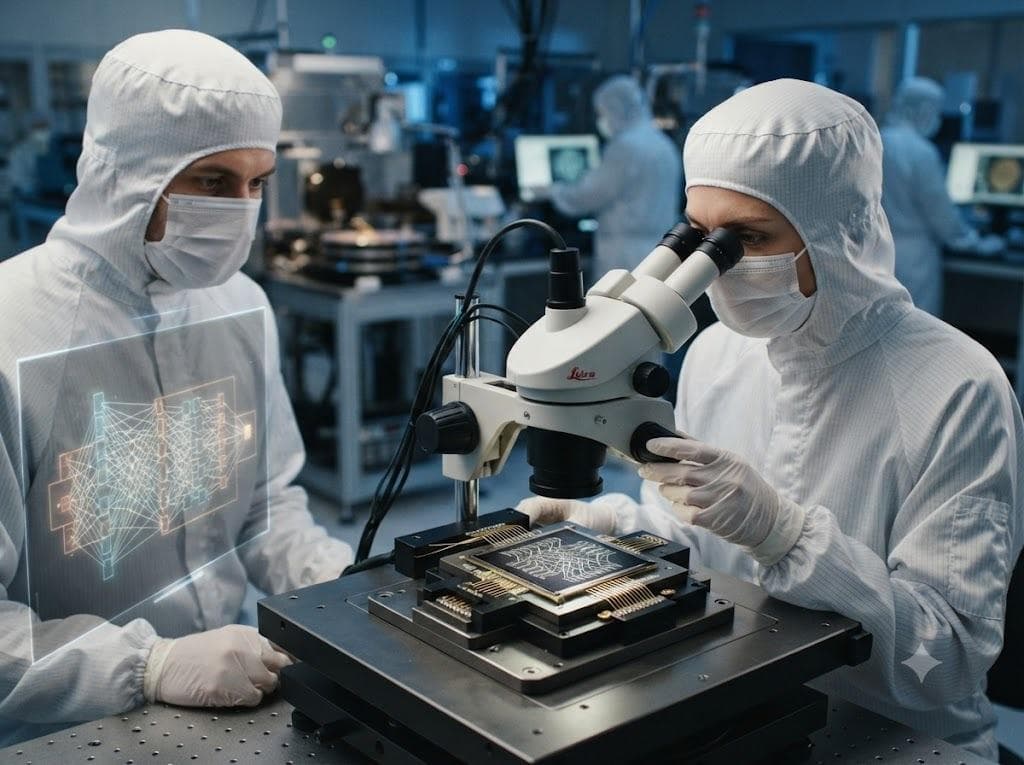
Image: iXBT
Google is reportedly working on a specialized server processor called Frozen v2 that would make Gemini part of the chip itself, rather than loading the model into memory at runtime. According to The Information, that design could improve energy efficiency by 6–10 times compared with Google’s current accelerators.
Google has not officially confirmed the project, and any launch is not expected before 2028.
Today’s AI accelerators are still general-purpose enough that the model sits in memory while the processor continuously exchanges data with it during operation. With Frozen v2, the Gemini neural network architecture would instead be embedded directly in silicon. Only the model’s weights — the parameters learned during training — would remain updatable, while the architecture itself would stay fixed. How deeply Gemini would be integrated into the hardware is still being determined.
The point of that approach is efficiency. The Information says the new processor could handle 6–10 times more tokens per unit of energy than Google’s current specialized chips. Frozen v2 is reportedly being considered as a separate processor line that would complement rather than replace existing TPUs.
Google compute shortages and hardware risk
The effort is also tied to Google’s internal shortage of compute capacity. The lack of resources has already become severe enough that Google Cloud has had to turn away some external customers. Lower power consumption and higher per-chip performance would reduce the cost of serving billions of AI requests while cutting the number of servers needed for the same workload.

Recommended reading
OVH mass-rebooted hosts to patch Januscape bug
A similar idea is already being pushed by startup Taalas, which is building chips with a model’s architecture and weights effectively pre-sealed inside. But the tradeoff is obvious: AI is moving fast, and hardware built around today’s version of Gemini could be outdated by the time it ships.
For now, Google has only confirmed that it is experimenting with highly efficient computing approaches, while Frozen v2 remains an unconfirmed project described in media reports.

Enterprise Editor
Marcus follows the money. He covers enterprise software, cloud architecture, and the tectonic shifts in Big Tech strategy. He translates dense earnings calls and complex M&A activity into actionable insights about where the industry is actually heading. If a tech giant makes a silent pivot, Marcus is usually the first to notice.
via iXBT