• 2 min read
Google turns 3,977 emoji into open 3D models
Google says all 3,977 Noto Emoji are now available as true 3D models, with open-source .OBJ files and new contrast work for dark mode.
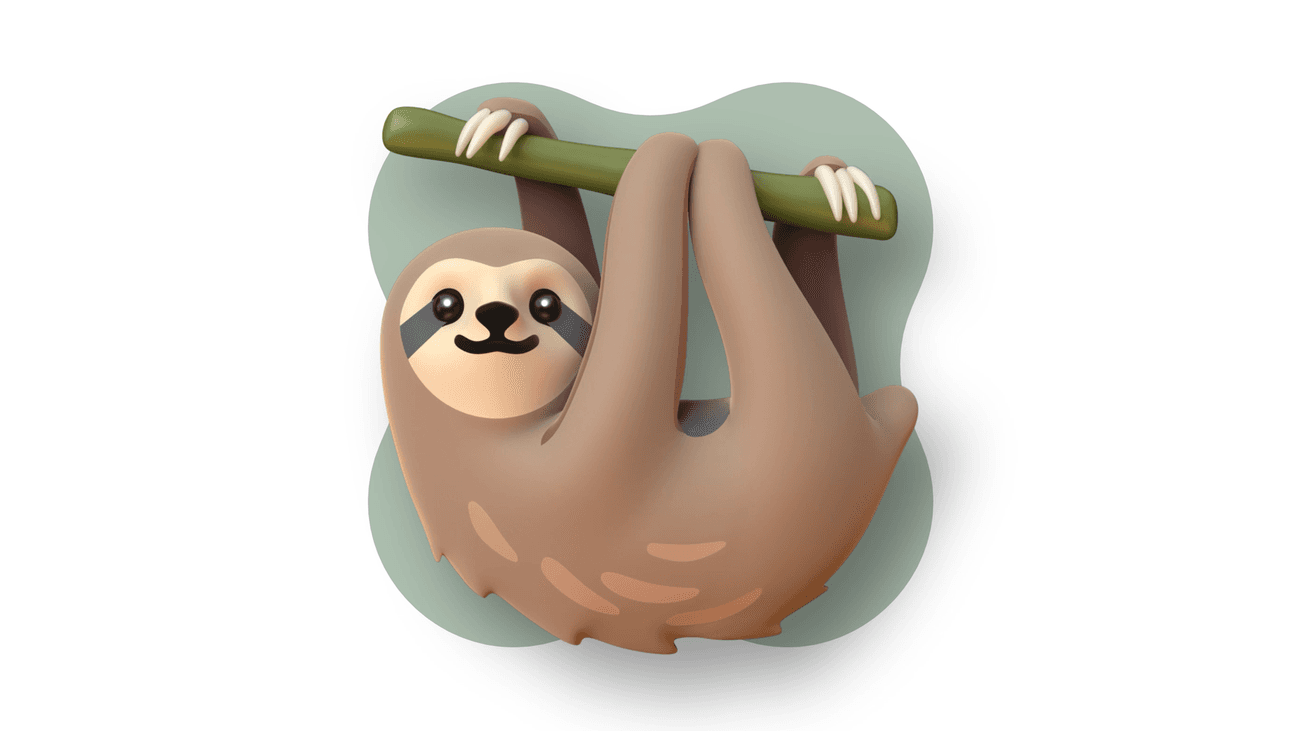
Image: Hacker News
Google is pushing emoji beyond flat icons. On World Emoji Day, the company said its full Noto Emoji set — all 3,977 characters — has been updated for a 3D era and, in what it calls an industry first, is now available as true 3D models.
The announcement comes with a snapshot of how emoji use is changing. Google says “face with tears of joy” (😂) dominated for years based on Gboard Federated Analytics, but after a multi-year decline it had slipped by 2025. In its place, more exaggerated reactions are climbing: 😭 for overwhelm and “rolling on the floor laughing” (🤣) at the top of the chart. Google also says expressions of heartbreak are shifting from broken heart (💔) toward wilted flower (🥀).
How Google redesigned Noto Emoji in 3D
Google says the new designs aim for stronger expression rather than photorealism. The company argues that because the brain processes emoji faster than text, even small design changes can affect comprehension and tone.
According to Google, large-scale user studies found a few consistent patterns:
Recommended reading
Photoshop AI tools make editing easier for beginners
- Users strongly prefer full-body animals over floating heads
- Adding props makes emoji harder to understand
- Small changes, such as reversing the direction of a wink, can create confusion
The design process still starts in 2D drawings, but now extends into full 3D production. Google says the shift forced basic structural decisions that flat emoji never had to answer, including what the back of a smiley face should look like.
Dark mode contrast and open-source .OBJ files
Google also highlighted a visibility issue with emoji using the darkest skin tones, which can be harder to see in dark mode. To address that, the company built an AI-powered contrast tool that analyzes each emoji at the pixel level, flags low contrast ratios, and suggests higher-contrast options for designers.
Because the Noto portfolio is open source, Google says it is releasing the raw .OBJ files so developers and creators can use them in VR worlds, indie apps, and other projects. The files are available now for remixing and reuse.

Design & UX Editor
Yuki believes that a great product is defined by how it feels. She critiques software interfaces, hardware ergonomics, and the philosophy of design in tech. With a background in industrial design, she analyzes the subtle decisions that make tools intuitive or infuriating. She advocates for accessible, human-centric technology.
via Hacker News