• 2 min read
GPT-5.6 demos get practical fast with 5 standout apps
After Sam Altman asked developers what they built with GPT-5.6, the replies included a wardrobe app, a cat-collecting game, and a live NYC map.
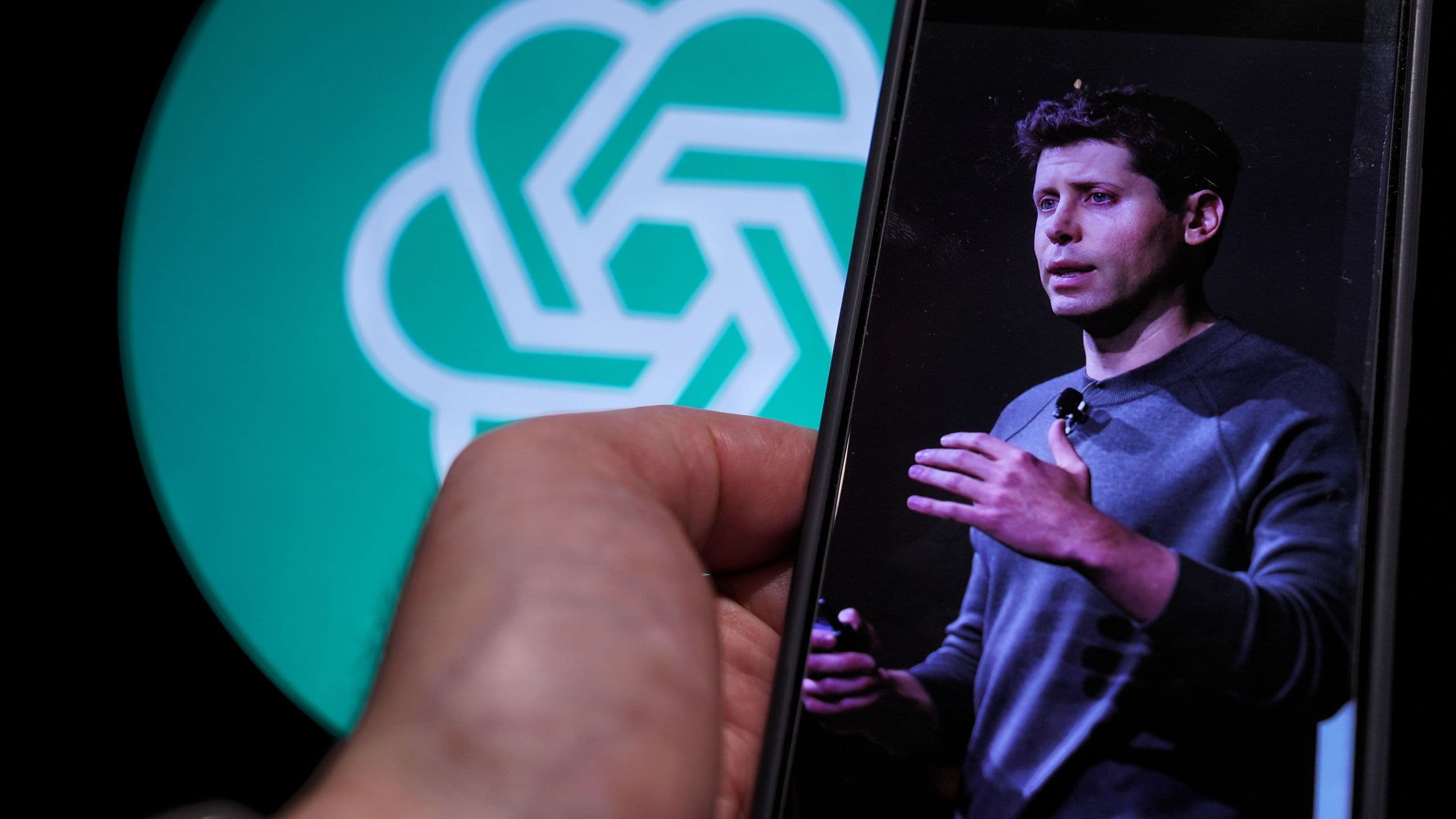
Image: TechRadar
When OpenAI launched GPT-5.6, the usual debate over benchmarks followed. But this time, CEO Sam Altman asked developers to show what they had actually built with the model, promising a “special gift from the OpenAI archives” to the person behind the coolest project on July 12, 2026.
The response quickly turned into a more revealing showcase than any launch post. According to OpenAI, GPT-5.6 is better at coding and more reliable on long tasks, and the projects shared in reply were designed to prove that in real software.
Among the most notable was a Kitsune Agent Lab demo that framed the model as a kind of ChatGPT coworker. Instead of relying on a standard chat window, the agent is given a goal, moves across tools, makes decisions, and tracks what it has already done. The point is straightforward: developers want systems that finish work, not just suggest steps.
Recommended reading
Hassabis says STEM makes you 10x better at AI
Another project turned New York City into a retro Game Boy-style interface layered over a live 3D map. It streams real-time data including subway, weather, and ferry information, combining mapping, live feeds, and interface design into a polished city browser.
A third demo used GPT-5.6 to build a wardrobe assistant. After getting access to a user’s camera roll, it extracted images of each piece of clothing, organized them into a collection, suggested new outfits, and rendered them on the user with gpt-image. The result looked closer to a finished consumer app than a rough prototype.
One developer also built CatchCat, essentially Pokémon Go for neighborhood cats. Users point a phone at a real cat, the app verifies the sighting through the camera, and the encounter becomes a collectible digital cat card with its own personality, rarity, and place in an album. The app also includes shared sightings, competition, and collection-building.
The most ambitious of the batch may have been Atlas Mode for Pearl, an interactive globe for travel discovery and booking. It combines global place data with a personal taste profile to recommend restaurants, hotels, bars, wineries, and flights, and it also uses GPT Voice 2.1 so users can talk through trip ideas instead of only clicking through filters.
Together, the demos suggest a broader shift: the model itself is becoming less visible than the products built on top of it.

AI Editor
Ava covers the rapidly evolving world of artificial intelligence, from foundational models and research labs to the real-world economics of intelligence. With a background in computational linguistics, she cuts through the hype to find out what actually works. She firmly believes that benchmarks are just marketing until reproduced in the wild.
via TechRadar