• 2 min read
MWC 2026: Honor’s debut humanoid robot nails the dance floor at MWC 2026
Robots that can dance well have become an unofficial benchmark in the race to build believable humanoid machines. At MWC 2026 in Barcelona, Honor took its first stab at this challenge, unveiling a humanoid robot that not
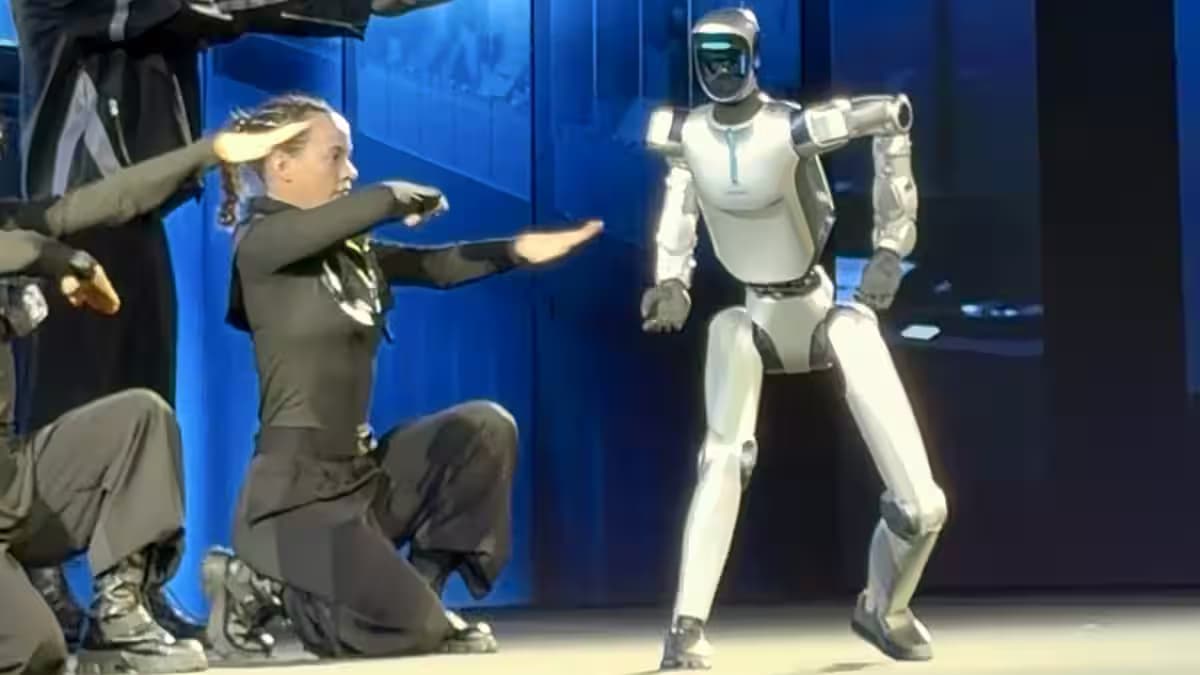
Robots that can dance well have become an unofficial benchmark in the race to build believable humanoid machines. At MWC 2026 in Barcelona, Honor took its first stab at this challenge, unveiling a humanoid robot that not only appeared on stage alongside human dancers but also held its own with surprisingly fluid moves.
First attempts at consumer-grade humanoid robots have often stumbled, either due to mechanical awkwardness or overly scripted behavior. Honor’s entry bucks that trend, showing an unexpectedly smooth performance during a live demonstration. Whether programmed or remotely piloted remains a mystery, but the balance and timing were impressive enough to avoid the usual robotic stumbles that have plagued past showcases.
While details like processing power, AI sophistication, or even the robot’s final product plans are still under wraps, the event highlighted a growing focus across tech companies on combining AI with physical robotics to create machines that people can relate to and enjoy watching.

Recommended reading
xAI Sues Grok User Over Child Abuse Images
This trend follows in the footsteps of industry leaders like Boston Dynamics, whose Atlas robot raised the bar with acrobatic moves, and SoftBank’s Pepper, which emphasizes social interaction over physical agility. Honor’s robot leans into bridging physical presence with entertainment value, a niche that is gaining traction in robotics beyond industrial and utilitarian purposes.
But dancing is just the surface. The challenge will be whether Honor can turn this novelty into a sustainable product that offers practical or emotional value beyond a catchy demo. As competitors race to make humanoid robots more than theatrical props, successful integration of AI autonomy and real-world utility will be the key to moving from show floor applause to commercial success.
Onstage charisma is an easy way to capture headlines, but the true test for Honor will be what comes after the music stops-whether the robot can adapt, learn, and eventually find a place in daily life, rather than just a viral moment at a tech expo.

AI Editor
Ava covers the rapidly evolving world of artificial intelligence, from foundational models and research labs to the real-world economics of intelligence. With a background in computational linguistics, she cuts through the hype to find out what actually works. She firmly believes that benchmarks are just marketing until reproduced in the wild.