• 3 min read
Instagram account bans spark 4,000-signature petition
Instagram users say accounts are being wrongly disabled in large numbers, with appeals going unanswered and a Change.org petition topping 4,000 signatures.
Image: ITzine
Instagram users have spent recent weeks reporting sudden account suspensions they say came without any obvious rule violations. Complaints have spread across Reddit and X, while a Change.org petition has gathered more than 4,000 signatures. TechCrunch highlighted the issue, with affected users describing the same pattern: moderation appears to be making more mistakes, possibly because of automated systems.
There is no direct evidence tying the wave of bans specifically to AI, and the users themselves do not have proof. Still, they say Instagram is disabling both individual features and entire profiles, and that the appeals process often goes nowhere. According to those reports, appeals either sit unanswered or trigger only automated notices, even after users submit ID and contact Meta through official forms.
What stands out is the volume. A single mistaken takedown can look like an isolated glitch; a cluster of similar complaints suggests a broader moderation problem or a failure in the platform’s review systems. That has already led to online calls for a collective lawsuit against Meta.
Recommended reading
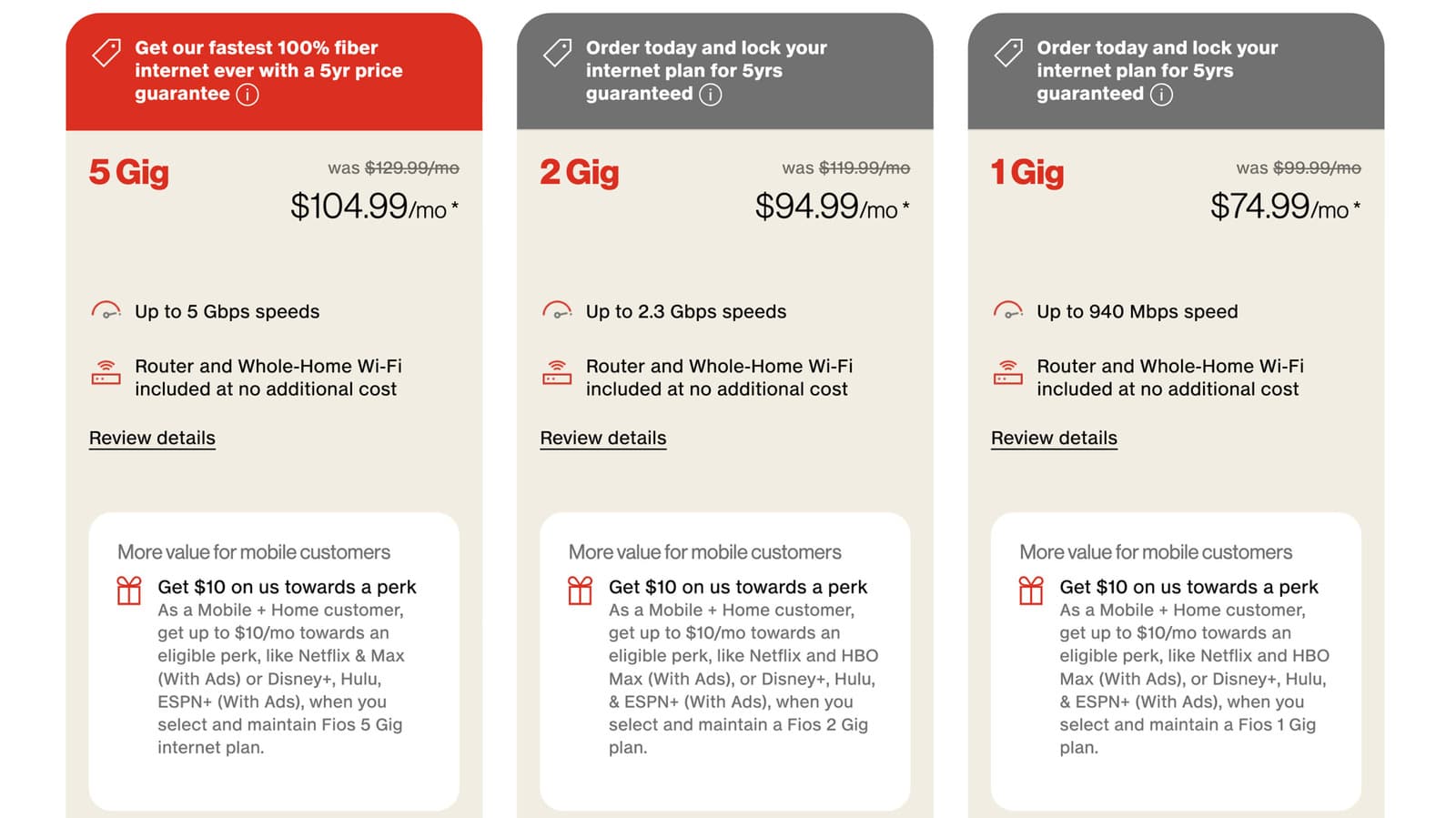
Verizon Fios jumps to 5Gbps for $90 a month
The theory that automation is involved is plausible, even if unproven. Large platforms rely heavily on automated moderation because of their size: Instagram has more than 2 billion monthly users, making fully manual review unrealistic. Meta has previously said in its reports that it uses automation to detect spam, violence, sexualized content, and fake accounts. The trade-off is familiar across the industry: the more aggressive the automation, the greater the risk of false positives.
This is not unique to Instagram. In 2025, Pinterest faced a similar wave of complaints over unexplained bans and inaccessible support. After users raised the prospect of legal action, the company acknowledged a glitch and blamed an “internal error,” while saying AI moderation was not responsible.
Other major platforms, including YouTube, TikTok, X, and Pinterest, have also faced criticism over automated bans, especially after anti-spam updates or stricter suspicious-activity checks. Regulators have noticed too. In the EU, very large platforms must, under the Digital Services Act, explain restrictions and provide users with a way to challenge them. On paper, that process exists; in practice, users often say there is a wide gap between filing an appeal and getting a response from a human.
That is the core problem for Instagram right now. From the outside, it is nearly impossible to tell what broke. An account could be flagged because of a hack, unusual activity, a false spam signal, mass reporting, or an internal enforcement error. Without data from Meta, every explanation remains speculative. For creators, shops, and small brands that depend on Instagram for reach and sales, the loss of an account can mean the loss of a business channel — and if Meta does not publicly explain what happened, the pressure may move quickly from social posts to legal complaints and regulatory scrutiny.

Culture Editor
Maya explores gaming, streaming, and the internet as a place where people actually live. From deep-dives into creator economies to the anthropology of digital communities, she tracks platform drama and cultural shifts so you don't have to. She believes the best tech stories are fundamentally about human behavior.
via ITzine