• 2 min read
Interlune pulls helium-3 from helium at 99% purity
Interlune says its Cold Capture process produced 99% pure helium-3 from industrial helium, with lunar mining plans next.
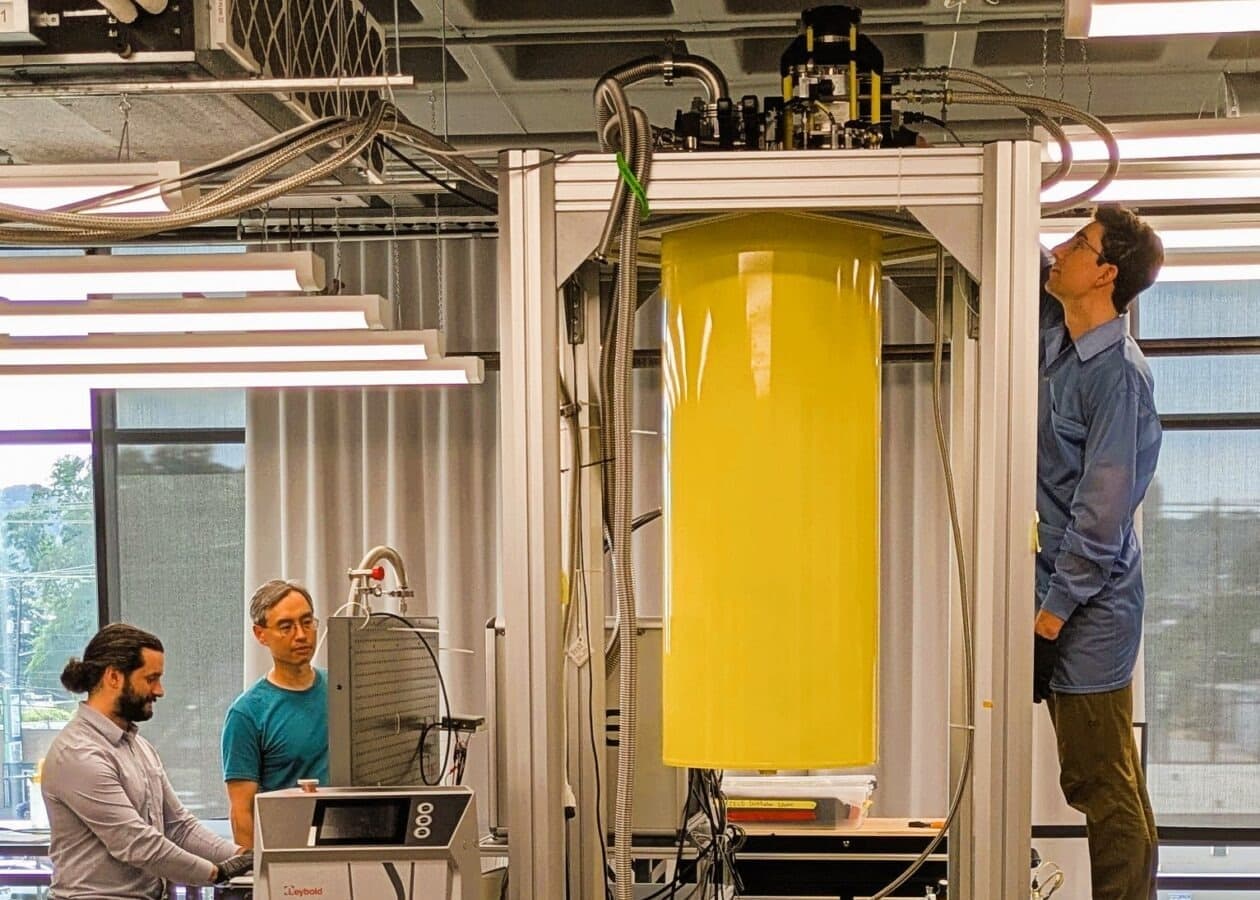
Image: iXBT
Interlune says it has successfully demonstrated Cold Capture, a process for extracting helium-3 from ordinary industrial helium, producing the isotope at 99% purity. The US company ultimately wants to use the same approach on the Moon, but its first commercial deliveries are expected to come from Earth.
Helium-3 makes up just 0.000137% of the world’s helium reserves, yet demand is high. It is used as a cryogenic coolant in quantum computers, as well as in radiation detectors and medical equipment, and it is also being considered as a future fuel for fusion energy. Because it is so rare, its price can reach $20 million per 1 kg.
The Cold Capture method is based on cryogenic distillation at temperatures close to absolute zero. Although helium-3 and helium-4 have nearly identical chemical properties, the process exploits small differences in their physical characteristics to separate the isotopes.
According to Interlune, deploying the technology at existing helium liquefaction plants could increase helium-3 production by about 3x. The company has already signed future supply agreements with the US Department of Energy and Maybell Quantum.
The technology’s development was previously backed by a $1.25 million grant from the US Air Force to scale the process to industrial levels.
Recommended reading
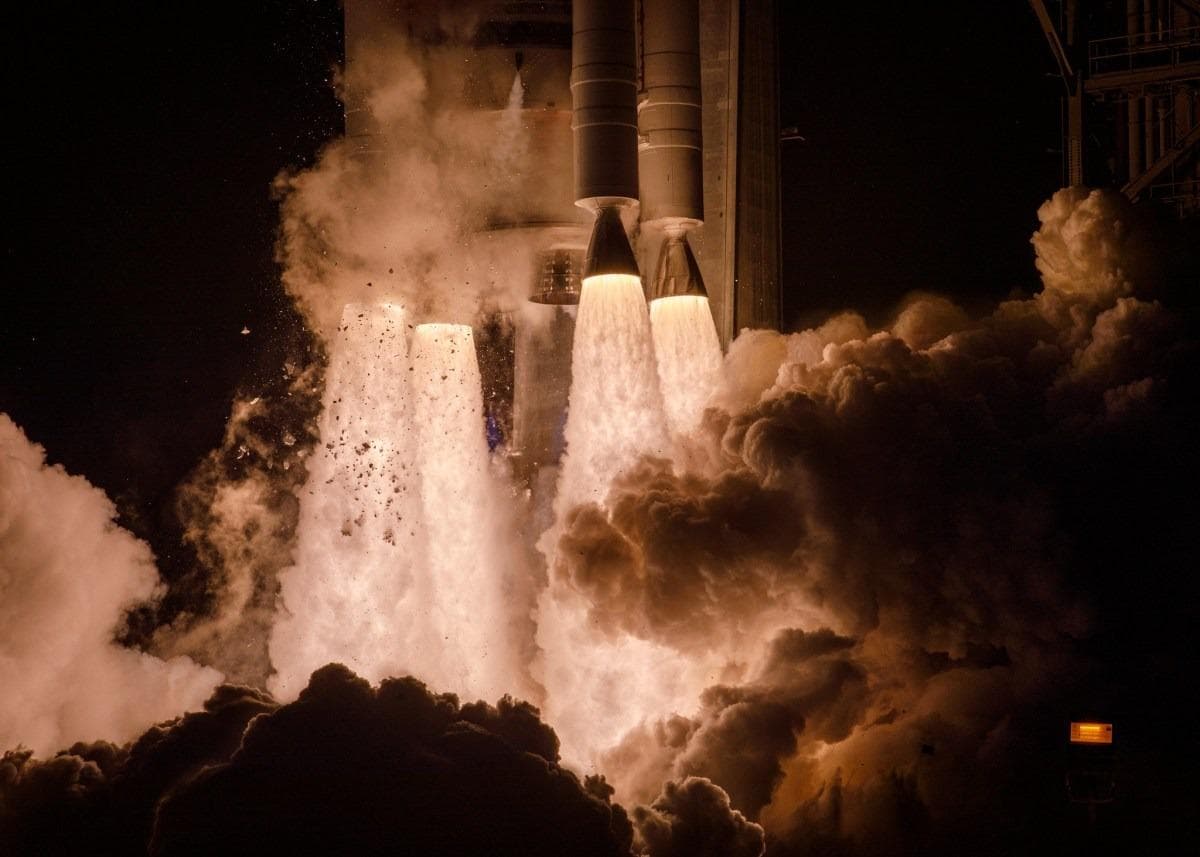
Vulcan booster issues push Northrop deliveries back again
At the same time, Interlune is preparing for helium-3 extraction on the Moon. By the end of 2026, Astrobotic’s Griffin-1 lander is expected to deliver a camera to the lunar surface to assess the isotope’s concentration.
The next step is NASA’s Prospect Moon experiment, scheduled for 2028, which will test technologies for extracting helium-3 and hydrogen from lunar regolith. If that program succeeds, Interlune expects to eventually ship lunar helium-3 back to Earth for industrial use.

Frontier Editor
Dan is our resident futurist, covering electric mobility, space exploration, and the smart home. He's interested in atoms just as much as bits. Whether it's a new battery chemistry, a reusable rocket, or a protocol that finally makes IoT devices talk to each other, Dan breaks down the engineering that pushes humanity forward.
via iXBT