• 3 min read
Kaspersky Warns Deepfakes Undercut Mass Biometrics
Natalya Kaspersky says nationwide biometrics in Russia are too costly and increasingly vulnerable as deepfakes make face and voice checks easier to spoof.
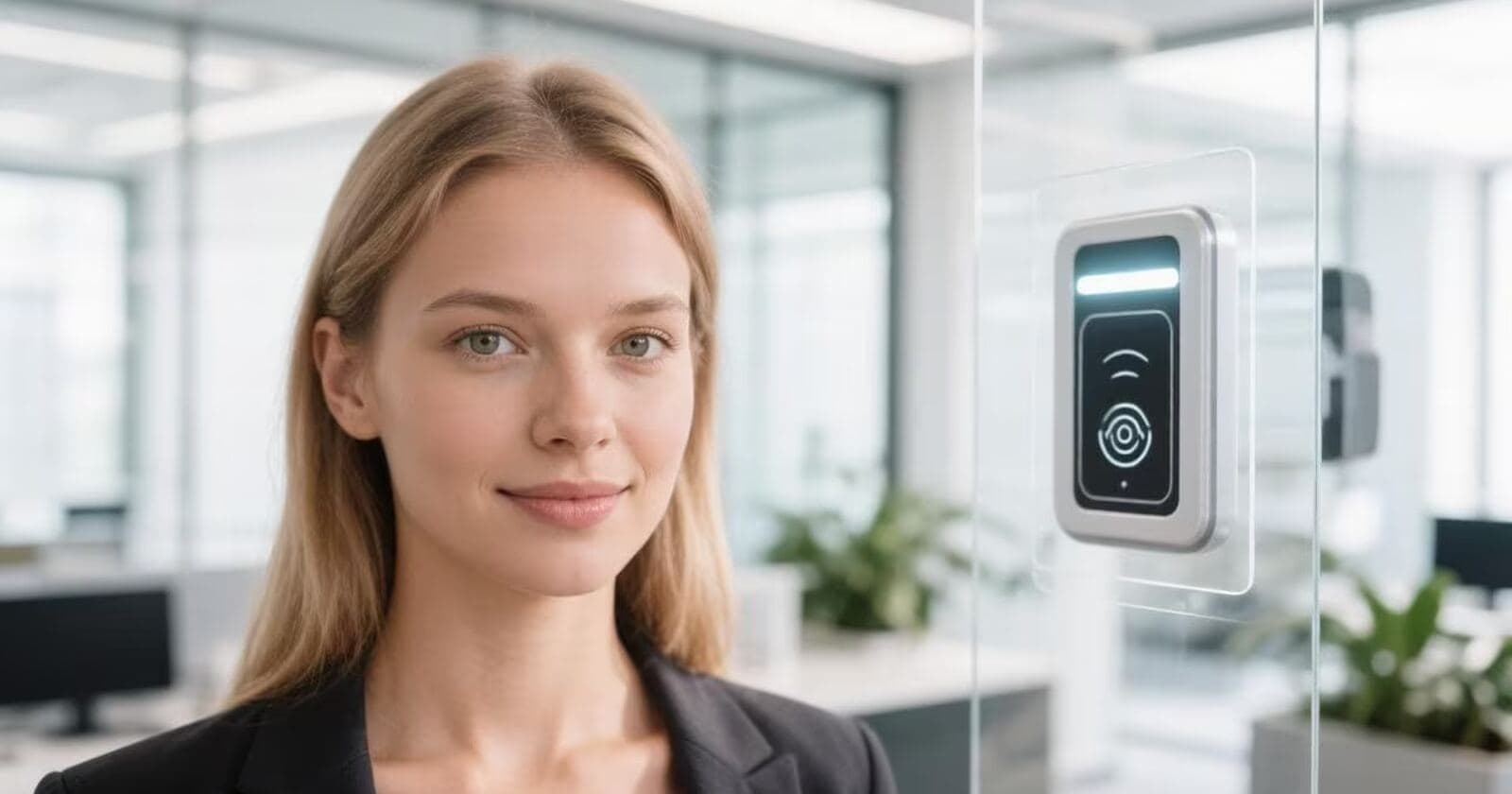
Image: ITzine
InfoWatch president Natalya Kaspersky has spoken out against the mass rollout of biometrics in Russia, arguing that a nationwide system would be too expensive to build and maintain, while deepfakes are making it less secure than it may appear on paper.
Kaspersky compared biometrics with traditional passwords and said the challenge goes far beyond collecting samples. A system operating at national scale also has to store and protect that data, update infrastructure, and absorb the added costs that come with all of that. She also pointed to the quality of biometric captures, which can be affected by the camera, lighting, and the conditions under which a person enrolls.
Her main concern, though, is not cost. It is the speed at which fake faces and voices are improving. What looked like a novelty for social media a couple of years ago is now being used in fraud schemes and attempts to bypass remote identity checks, raising broader questions about trust in digital identification.
Recommended reading
Joomla extension bugs hit CISA’s exploited list
Where Russia already uses biometrics
Russia’s Unified Biometric System is already in operation. It is used for:
- signing in to Gosuslugi
- issuing an electronic signature
- remote identification in banks
- access to some digital services without visiting an office
In spring 2026, major banks and digital service operators again argued that biometrics could cut queues and simplify remote service. But adoption is moving faster than public trust. According to a VTB survey, about 45% of Russians are ready to use biometrics instead of a passport to receive services.
That is a meaningful share for a relatively new practice, but still below half the population. Any expansion of biometric use therefore runs into the question of user consent.
Deepfakes, trust, and the cost of errors
Kaspersky’s position is cautious rather than outright hostile. She is not rejecting the technology, but she does not want it turned into a mandatory standard. That puts her at odds with banks and digital ecosystems that see biometrics as a way to reduce fraud losses and ease pressure on branches.
The debate in Russia has been cycling for years. Supporters present biometrics as a way to speed up remote services, while critics keep pointing to leaks, false matches, and the difficulty of securing huge stores of personal data. The wider the system becomes, the higher the cost of a mistake.
The technology also does not fit every use case equally well. Biometrics can be convenient for office entry or confirming a transaction in an app, but in unusual situations or when someone needs to quickly restore access, conventional verification methods may work better. Kaspersky’s argument, in effect, is for limited use rather than total deployment.
That matters in a market where banks, state services, and private platforms are all competing for the same login and identity-check scenarios. If confidence in biometrics does not grow faster than the number of rollouts, the next phase of the debate will center less on convenience than on the price of failure in a large national system.
Security Editor
Sophia unpacks the invisible wars happening on our networks. Covering cybersecurity, privacy legislation, and cryptography, she exposes how our data is weaponized and defended. Before joining for(geeks), she spent years as a penetration tester. She's the reason the rest of the team uses physical security keys.
via ITzine