• 2 min read
Lenovo debuts first inkjet OLED laptop
Lenovo’s Legion R9000P is the first laptop with TCL CSOT’s inkjet-printed OLED, a 16-inch 240Hz panel that could help cut future OLED costs.
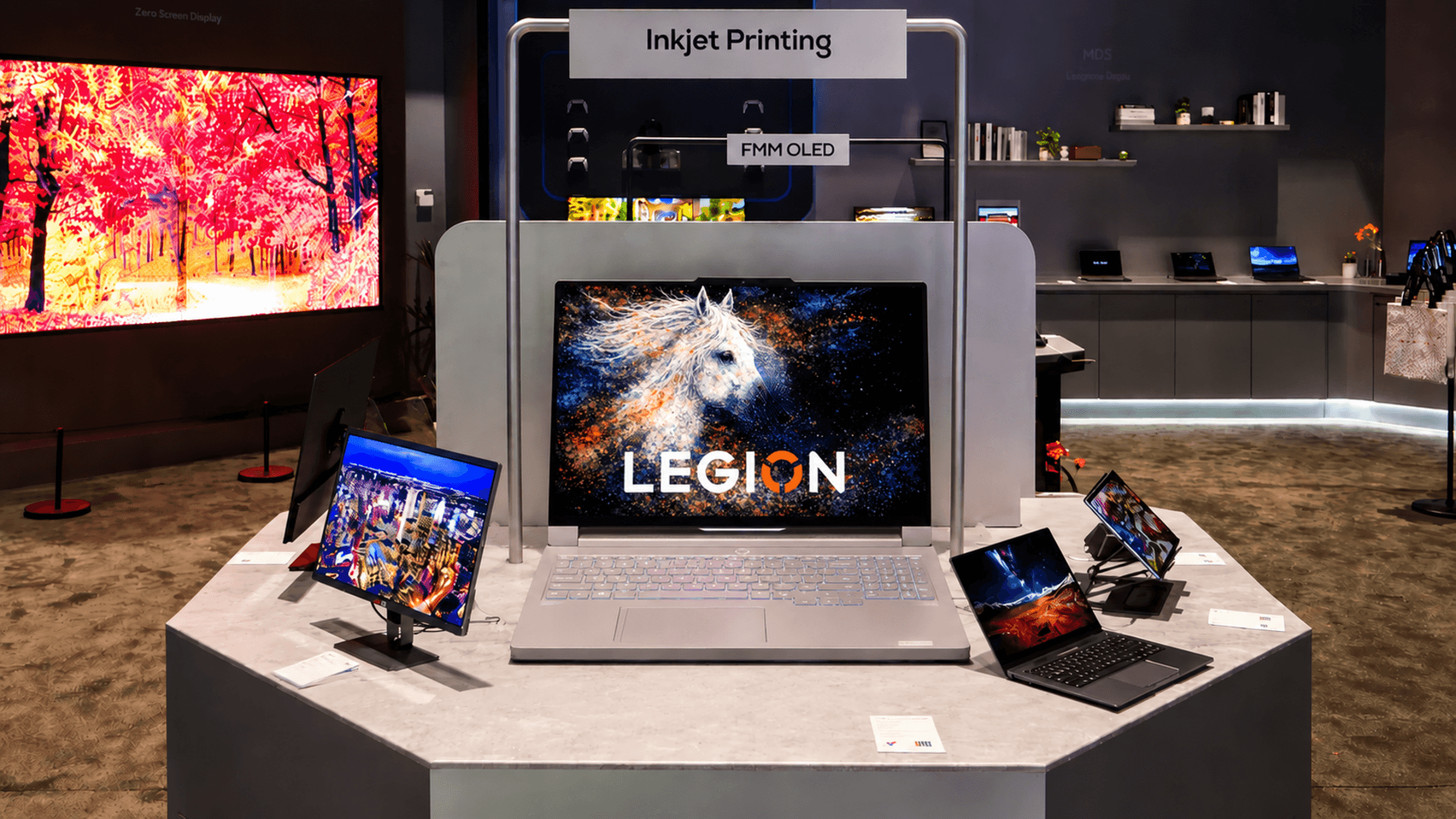
Image: TechRadar
Lenovo has launched the Legion R9000P, the first laptop to ship with TCL CSOT’s inkjet-printed OLED technology, bringing a new manufacturing approach to a 16-inch gaming notebook.
The laptop uses a 240Hz OLED panel aimed at smoother motion in games and video, while covering more than 99% of the DCI-P3 color gamut. Lenovo says the display keeps color performance consistent across brightness levels, which could make it useful not just for gaming but also for creative work and multimedia.
A key detail is the screen’s Real RGB Stripe side-by-side subpixel layout. That is meant to fix one of OLED’s recurring laptop problems: softer text and color fringing on some panel designs. The result, Lenovo says, is sharper images and clearer text for productivity tasks.
TechRadar frames the Legion R9000P as a budget device with display features that could also suit business users, students, and professionals who want better visuals in a portable machine.

Recommended reading
Apple’s next iPad mini may finally get OLED
How TCL CSOT’s inkjet OLED works
TCL CSOT’s process replaces the vacuum thermal evaporation method commonly used in OLED manufacturing with inkjet printing for the organic light-emitting layers. That reduces dependence on costly equipment and fine metal masks, and could improve efficiency and production yields as the process matures.
According to the source, TCL CSOT has spent more than 10 years developing the technology. In November 2024, its 5.5-generation IJP OLED production line in Wuhan entered mass production and delivered its first product. The company later announced construction of an 8.6-generation IJP OLED line, another step toward scaling up output.
TCL CSOT says inkjet OLED keeps the usual OLED strengths, including high contrast and strong color performance, while opening the door to wider use across laptops, monitors, televisions, and smartphones. If costs fall as expected, that could eventually bring better OLED screens to more affordable devices.

Computing Editor
Tomas lives in the terminal. He covers chips, laptops, and operating systems with a focus on performance and efficiency. He reads kernel changelogs the way other people read fiction, and he's always on the hunt for the perfect mechanical keyboard switch. If it processes data, Tomas has an opinion on it.
via TechRadar