• 2 min read
LG monitors are pushing ads onto PCs
Users say LG displays are installing software through Windows Update that serves McAfee ads, including on older monitors.
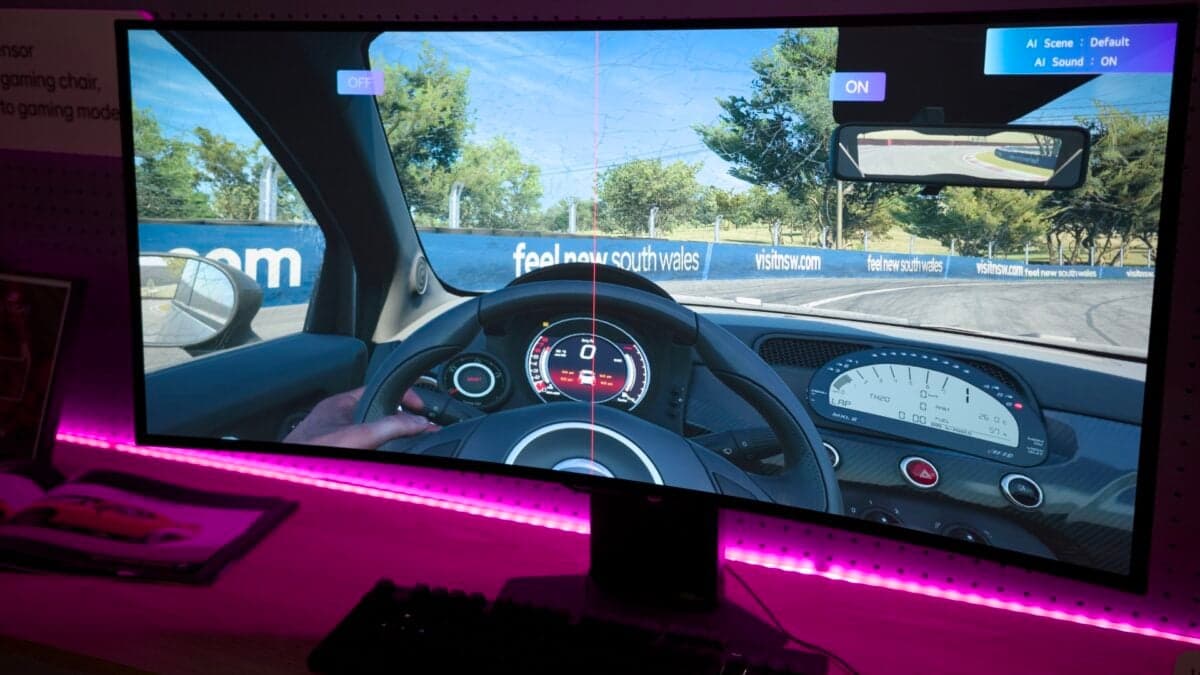
Image: Gizmodo
LG monitors are reportedly installing adware-like software on users' PCs through Windows Update, including on some older displays. Multiple Reddit users have said their monitors silently added an app called LG Monitor App Installer, which then began showing desktop pop-up ads for services such as McAfee scam detector.
It’s still unclear how long LG has been doing this, but a Microsoft forum user reported the app as far back as 2024. Last week, Gamers Nexus showed how the software can arrive alongside routine monitor driver updates. In one example, the channel said a new LG UltraGear 34GX900A-B gaming monitor—priced at nearly $1,200 at full retail—did not offer any option to decline the install or explain what the app was for.
According to Gamers Nexus, the app mainly exists to push more LG software through optional downloads. It also promotes McAfee services, with the channel saying the ads appeared on “every single boot.” The software may also advertise other LG apps, including LG Channels. Gamers Nexus further said it saw the ads appear on both three-year-old LG monitors and newer models.
Gizmodo said it asked LG which monitors currently push the app and whether the software tracks usage data. The company had not responded at the time of publication. The outlet also pointed to the privacy policy linked from the app’s Microsoft Store listing, which says LG can track device usage data and online activity, including the sites users visit and what they do on those sites.
Recommended reading
Russia Tests Maskless 150 nm Chip Lithography Tool
The broader concern is that software like this arrives quietly through Microsoft Update, leaving users with little practical way to block it. Gizmodo compared the tactic to the bloatware often found on laptops and prebuilt PCs, and noted that Alienware has faced similar complaints over monitor software pushed through Microsoft Update. In this case, the issue reaches beyond nuisance pop-ups: it turns a monitor—normally a relatively simple peripheral—into another channel for ads and possible tracking.

Computing Editor
Tomas lives in the terminal. He covers chips, laptops, and operating systems with a focus on performance and efficiency. He reads kernel changelogs the way other people read fiction, and he's always on the hunt for the perfect mechanical keyboard switch. If it processes data, Tomas has an opinion on it.
via Gizmodo