• 2 min read
Light Flip brings back the flip phone for $300
A Motorola Razr creator’s new Light Flip targets users who want a simpler phone, with a 2.8-inch OLED screen, 5G, and no outer display.
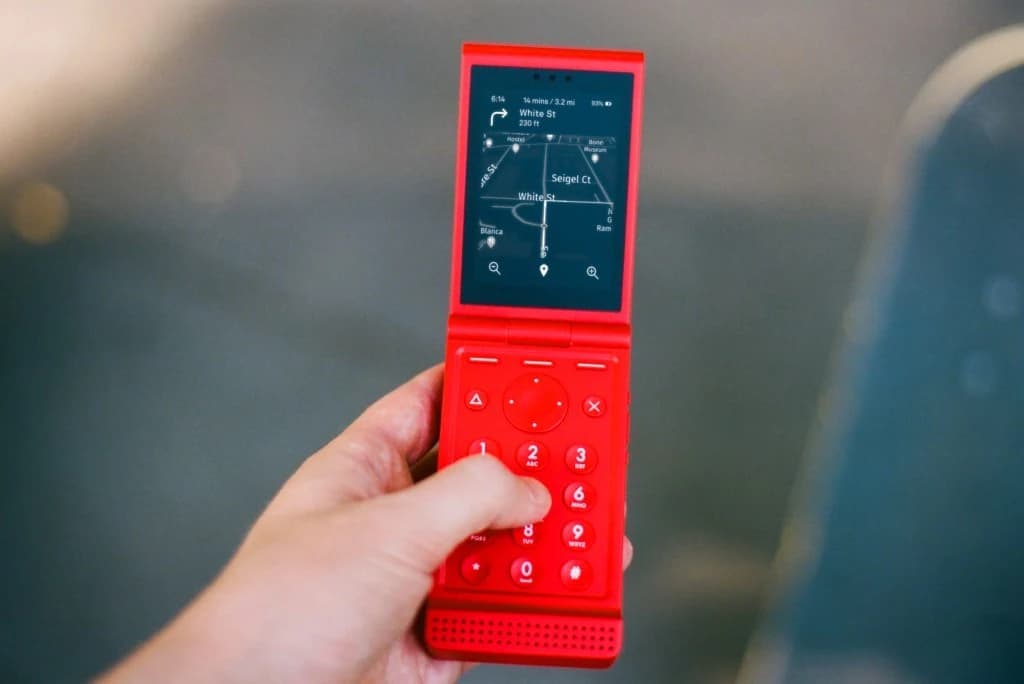
Image: iXBT
One of the creators of the iconic Motorola Razr, Tan Kaiwei, has teamed up with Joe Hollier to launch the Light Flip, a $300 clamshell phone built for people who want to step away from modern smartphones and their distractions.
According to Tan, the team spent several years studying Gen Z users who still carry flip phones. Many criticized current models for poor build quality, but kept using them anyway and saw flip phones as part of their personal style.
The startup Light combined the minimalist approach of its Light Phone devices with a flip-phone design. The Light Flip runs Light Phone OS and includes a basic app set such as an alarm, calendar, and calculator. The company also plans to offer an SDK so developers can build additional apps.
To keep the device affordable, Light removed the touchscreen, NFC, and the front-facing camera, and replaced an aluminum body with plastic. It will be sold in black, red, yellow, pink, dark blue, and light gray.
Recommended reading
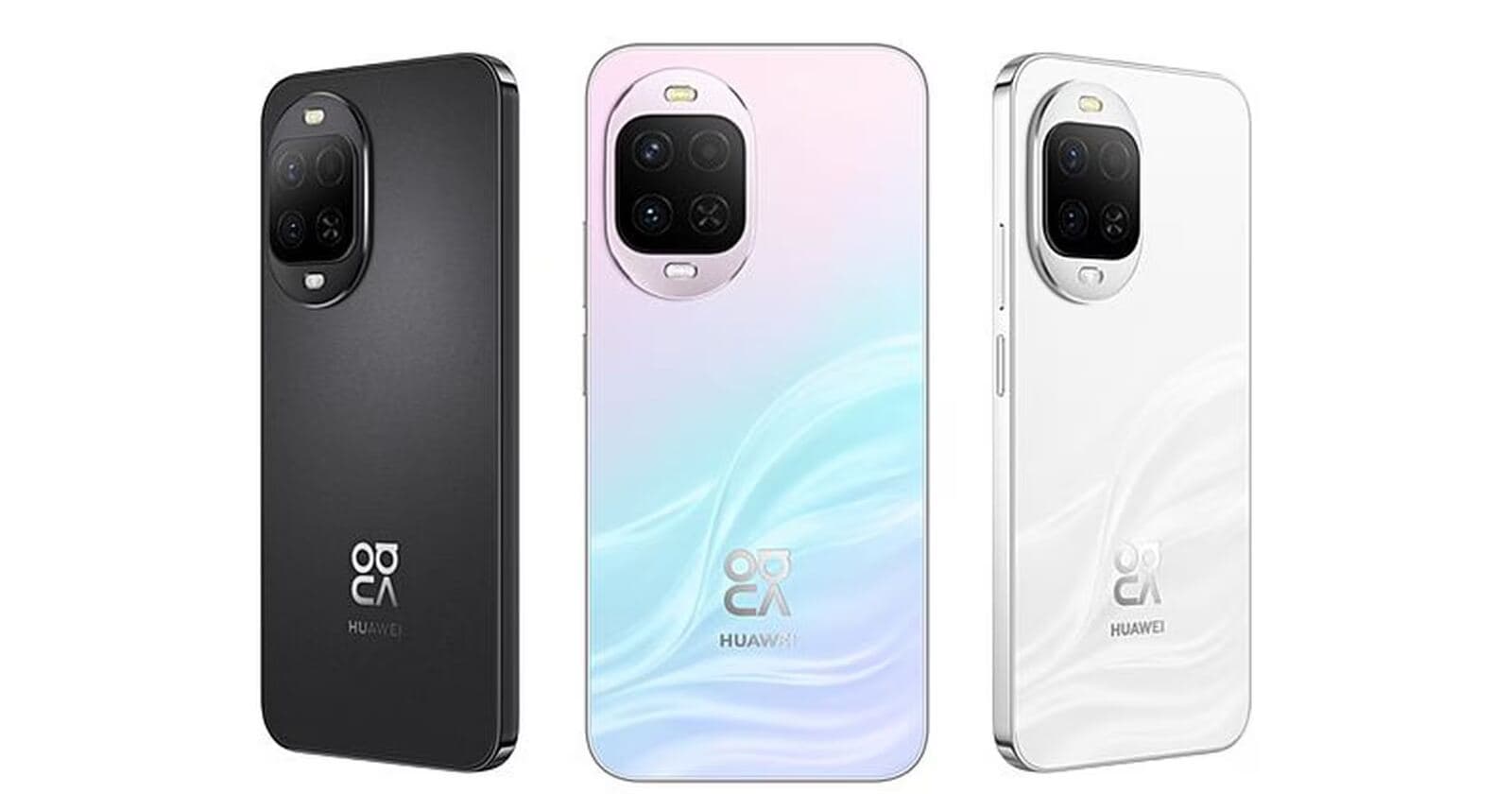
Huawei may pack 10,000mAh into a new midrange phone
The phone has a single internal 2.8-inch OLED display and no external screen, a choice the company says came directly from user feedback. On the outside, there is only a small light indicator for notifications.
The Light Flip supports 5G and 4G LTE, can play music and podcasts, and includes a 3.5mm headphone jack, Bluetooth, USB-C charging, eSIM, and Nano SIM support. Its main camera is 12MP.
At $300, Light says the Light Flip is the most affordable device in its lineup.

Gadgets Editor
Eli is obsessed with the tangible future. He reviews phones, wearables, and everything with a battery. Known for his rigorous testing protocols and unabashed teardowns, Eli has broken more review units than he cares to admit, all in the name of discovering the truth about durability and repairability.
via iXBT