• 2 min read
Linus Torvalds' Nvidia broadside looks very different now
Linus Torvalds once called Nvidia Linux’s worst partner. Nearly 15 years later, Nvidia now ships open source Linux GPU kernel modules by default.
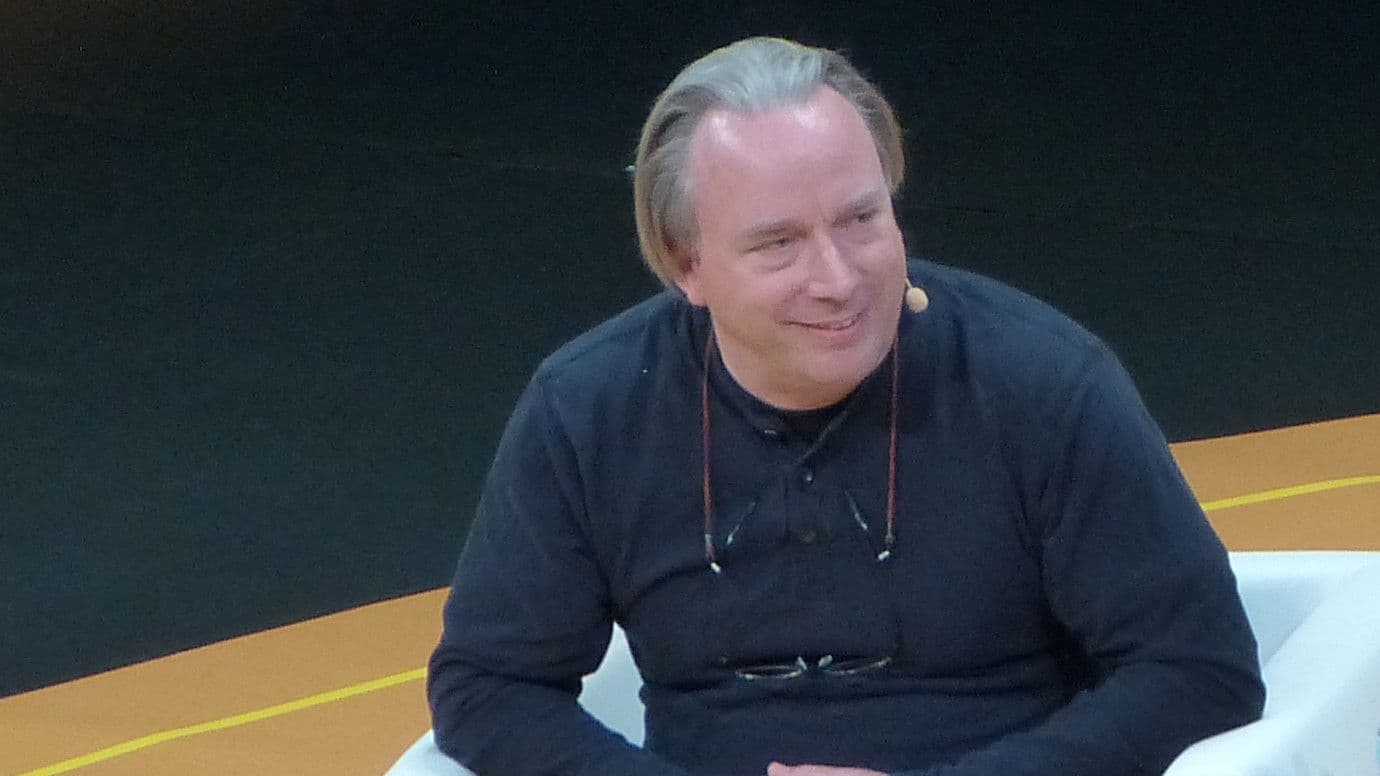
Image: TechRadar
The clash between open source software and closed source business models has defined parts of the tech industry for decades, and Linus Torvalds has long been one of its most outspoken figures. In a Q&A at Aalto University, Torvalds responded to a complaint from an attendee whose Nvidia Optimus chip no longer worked on Linux, leaving an expensive laptop component effectively unusable unless developers reverse-engineered a fix.
That answer turned into one of Torvalds' most memorable attacks on a major vendor. He said Nvidia was benefiting from the Linux Foundation ecosystem through products such as Tegra chips for Android devices, while refusing to cooperate with Linux developers the way Intel and AMD did with native drivers. At the time, Torvalds argued Nvidia treated its proprietary code like classified material, and the exchange ended with him making an obscene gesture toward the camera.
Today, the picture is very different. According to the source, Nvidia has since shifted sharply toward open source and, as of 2022, made open source Linux GPU kernel modules the default option under a dual GPL/MIT license.

Recommended reading
New York freezes new 50 MW data centers for up to a year
That change matters even more now because Nvidia’s influence extends far beyond graphics. With the AI boom in full swing, the company has built the Linux-based DGX OS for its DGX Spark personal mini-supercomputing products. The system is based on Ubuntu and is designed to run Nvidia’s broader software stack, even as key AI software including CUDA, cuDNN, and NCCL remains closed.
The old argument over open versus closed software has not disappeared. But Nvidia’s reversal showed how central Linux and open source environments have become to enterprise computing and the AI infrastructure buildout.
Enterprise Editor
Marcus follows the money. He covers enterprise software, cloud architecture, and the tectonic shifts in Big Tech strategy. He translates dense earnings calls and complex M&A activity into actionable insights about where the industry is actually heading. If a tech giant makes a silent pivot, Marcus is usually the first to notice.
via TechRadar