• 2 min read
Musk and OpenAI head to court over a broken AI promise
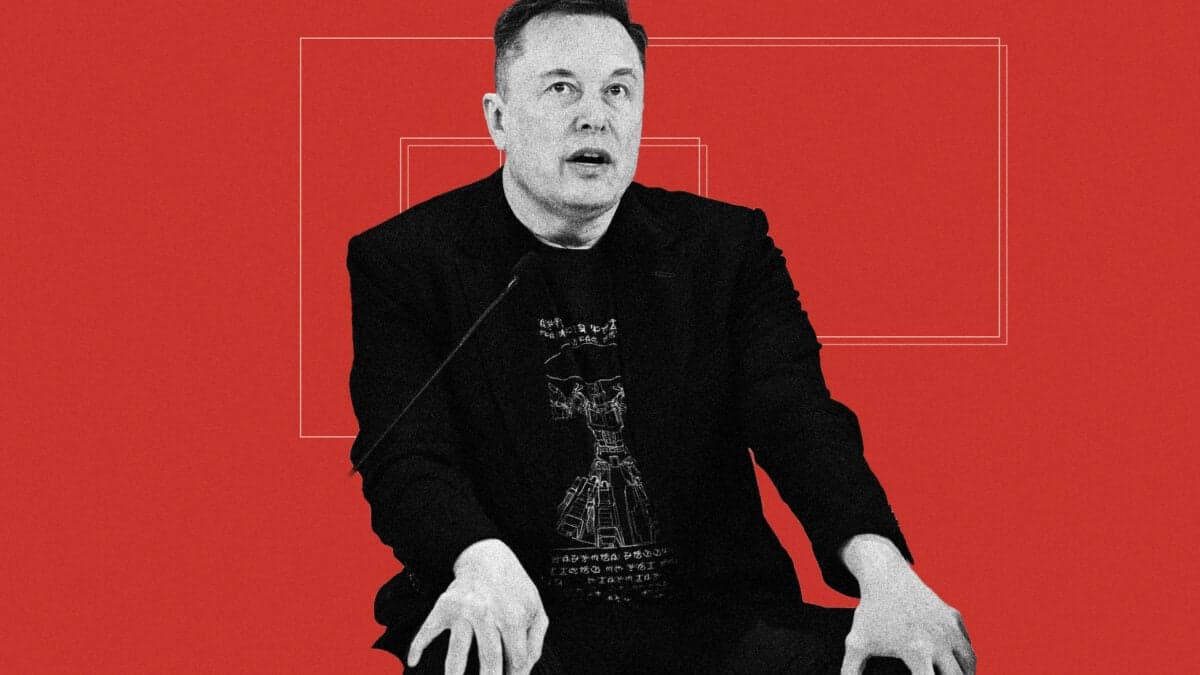
Elon Musk is back in court with OpenAI, this time over the company he helped seed and now accuses of abandoning the mission it was built on. Jury selection is set to begin Monday in a closely watched case that turns a lo
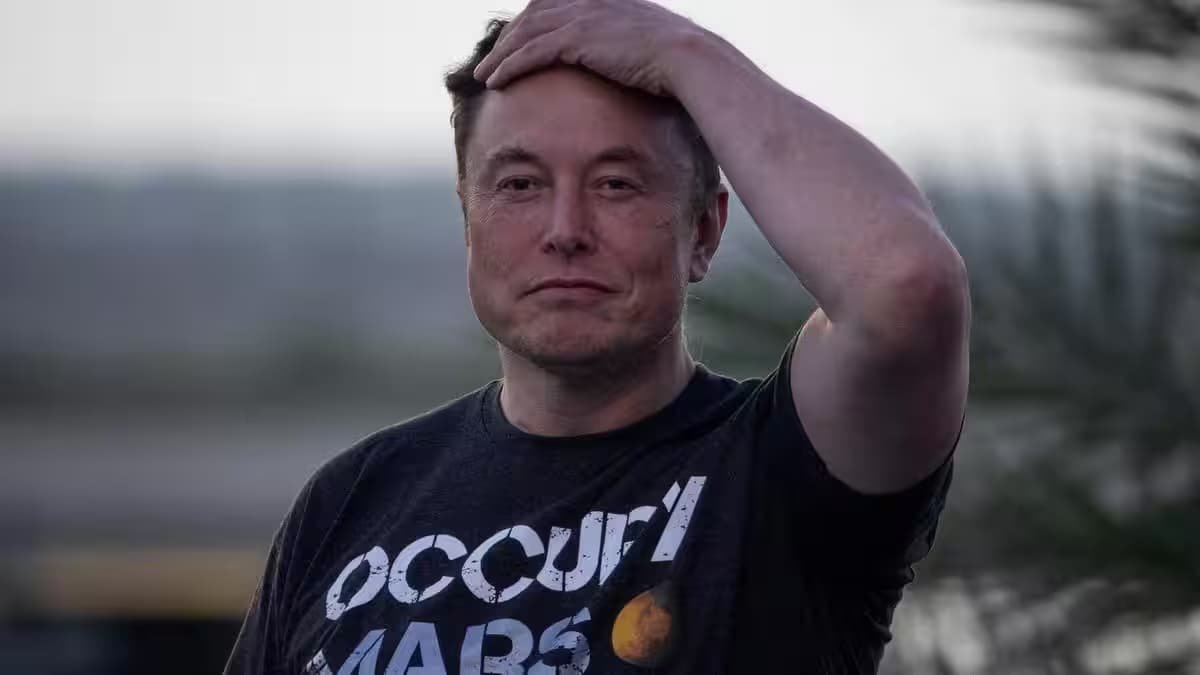
Image: thehindu.com
Elon Musk is back in court with OpenAI, this time over the company he helped seed and now accuses of abandoning the mission it was built on. Jury selection is set to begin Monday in a closely watched case that turns a long-running Silicon Valley feud into a live test of how much a nonprofit promise can matter once an AI startup becomes a global power player.
The fight also lands at a moment when the AI business has turned brutally expensive. Training frontier models now demands massive computing budgets, deep-pocketed backers, and a willingness to blur the line between research lab and commercial machine – which is exactly the line OpenAI is accused of crossing.
Musk versus OpenAI: the company he helped launch
Musk once supported OpenAI before becoming one of its fiercest critics, and the lawsuit frames that split as more than a personality dispute. It is also a fight over control, purpose, and whether the original structure still constrains the company in practice.
The courtroom setting, across the bay from San Francisco, gives the case added bite. OpenAI is no longer a scrappy upstart; it is now one of the defining names in AI, while Musk’s xAI is competing directly against it with Grok. That makes this less like a nostalgia case and more like a corporate knife fight dressed up as a mission debate.
Recommended reading
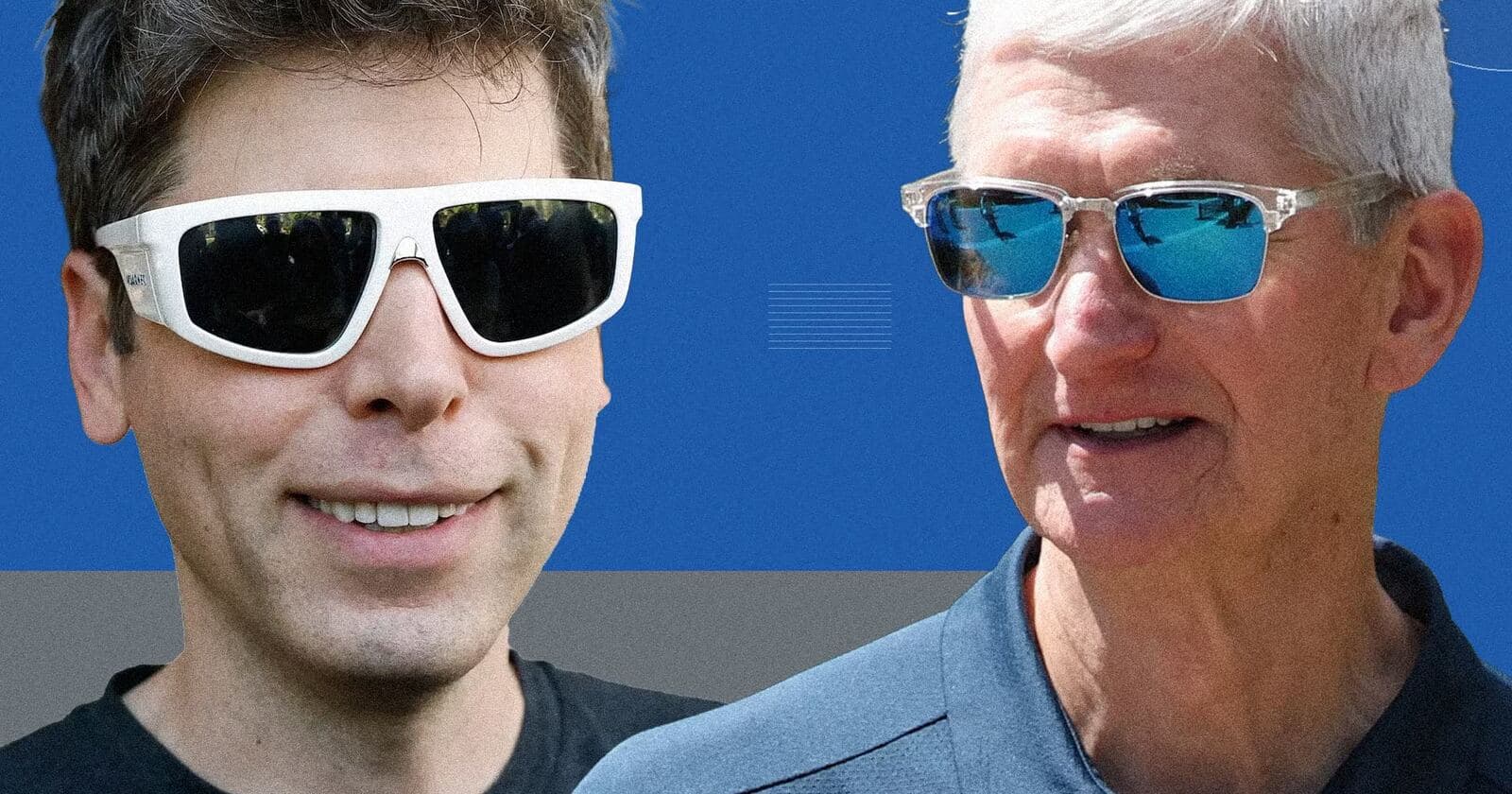
Apple broadens OpenAI fight as hardware ambitions grow
OpenAI nonprofit mission lawsuit starts Monday
- Start: Monday, with jury selection
- Parties: Elon Musk and OpenAI
- Central claim: OpenAI betrayed its nonprofit mission
The outcome could shape how future AI companies talk about their founding ideals once the money starts flowing. If the court gives Musk traction, it may force a harder look at hybrid structures in AI. If OpenAI wins, the message to the rest of the sector will be blunt: mission statements are nice, but scale tends to write its own rules.
Either way, the case is a reminder that the biggest AI battles are no longer just about model quality or chatbot bragging rights. They are about who gets to own the future, and under what legal story that ownership can be defended.

AI Editor
Ava covers the rapidly evolving world of artificial intelligence, from foundational models and research labs to the real-world economics of intelligence. With a background in computational linguistics, she cuts through the hype to find out what actually works. She firmly believes that benchmarks are just marketing until reproduced in the wild.
via thehindu.com