• 2 min read
Nintendo fights tariff refund suits with arbitration push
Nintendo says customers have no legal right to tariff refunds and is moving to force at least one plaintiff into arbitration.
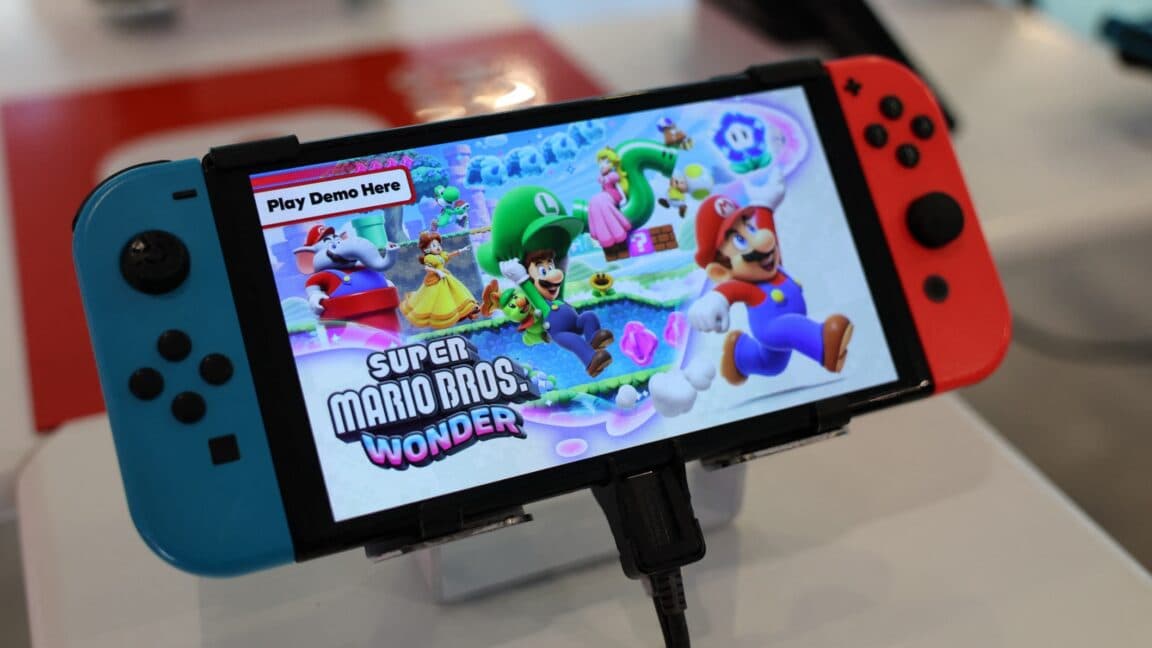
Image: Ars Technica
Nintendo is pushing back against lawsuits that argue companies cannot charge customers for tariffs and then keep any government refunds tied to those same tariffs.
That legal theory is spreading well beyond gaming. Foley & Lardner lawyers Erik Swanholt and Kelsey Boehm wrote that plaintiffs have filed class actions across industries ranging from food manufacturing to logistics, with the same core claim: companies should not be allowed to pass tariff costs on to consumers and also retain refunds from the government.
So far, though, courts have not ruled on the underlying theory in these cases. In a legal alert, Holland & Knight said the lawsuits are still in their early stages and that businesses have several possible defenses.
One is that unjust enrichment claims may fail when an express contract governs the relationship between the parties. As Holland & Knight partners Ashley Akers and Austin Rainwater wrote:

Recommended reading
Women Are Falling Behind on AI at Work
“In many jurisdictions, unjust enrichment is unavailable where an express contract governs the parties' relationship.”
The firm also said businesses may argue that the disputed charges were imposed while the IEEPA tariffs were still legally effective and enforceable. Under that view, even if the Supreme Court later invalidated the tariffs, that would not automatically make earlier charges unlawful or create a retroactive duty to issue refunds.
Nintendo’s arbitration strategy
Nintendo is also leaning on its customer agreements. The company has filed a motion to compel arbitration against Hoffert, saying evidence shows he “affirmatively accepted contractual agreements with Nintendo at least twice.”
Nintendo also said in its motion to dismiss that it “expressly reserves the right to move to compel Mr. Sharan’s claims to arbitration if discovery reveals his claims are arbitrable.”
According to Holland & Knight, some tariff cases also include breach of contract claims, especially in shipping and logistics disputes, where plaintiffs argue tariff-related surcharges were not authorized under shipping agreements, terms of service, or tariff schedules. Nintendo’s case, by contrast, does not allege breach of contract at this stage.

Enterprise Editor
Marcus follows the money. He covers enterprise software, cloud architecture, and the tectonic shifts in Big Tech strategy. He translates dense earnings calls and complex M&A activity into actionable insights about where the industry is actually heading. If a tech giant makes a silent pivot, Marcus is usually the first to notice.
via Ars Technica