• 2 min read
Pixel 11 Needs More Than Pixel Glow
Google unveils the Pixel 11 on Aug. 12, but one longtime Pixel user says flashy rear lights won’t be enough without better battery, accessories, and AI controls.
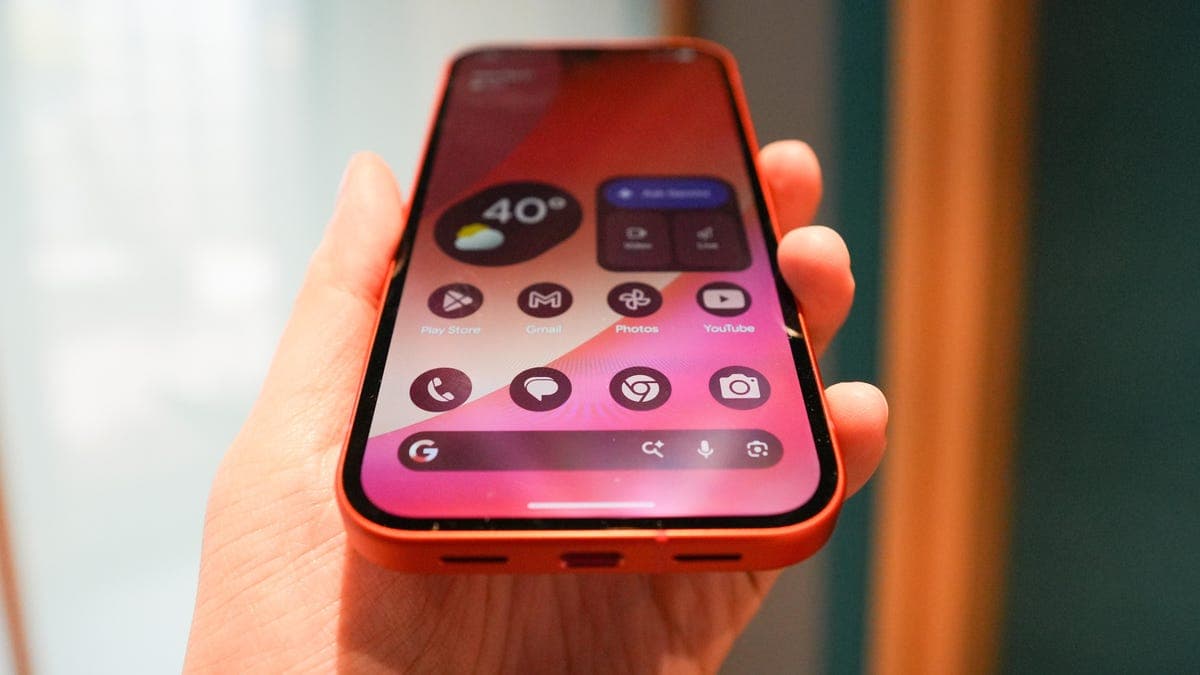
Image: ZDNET
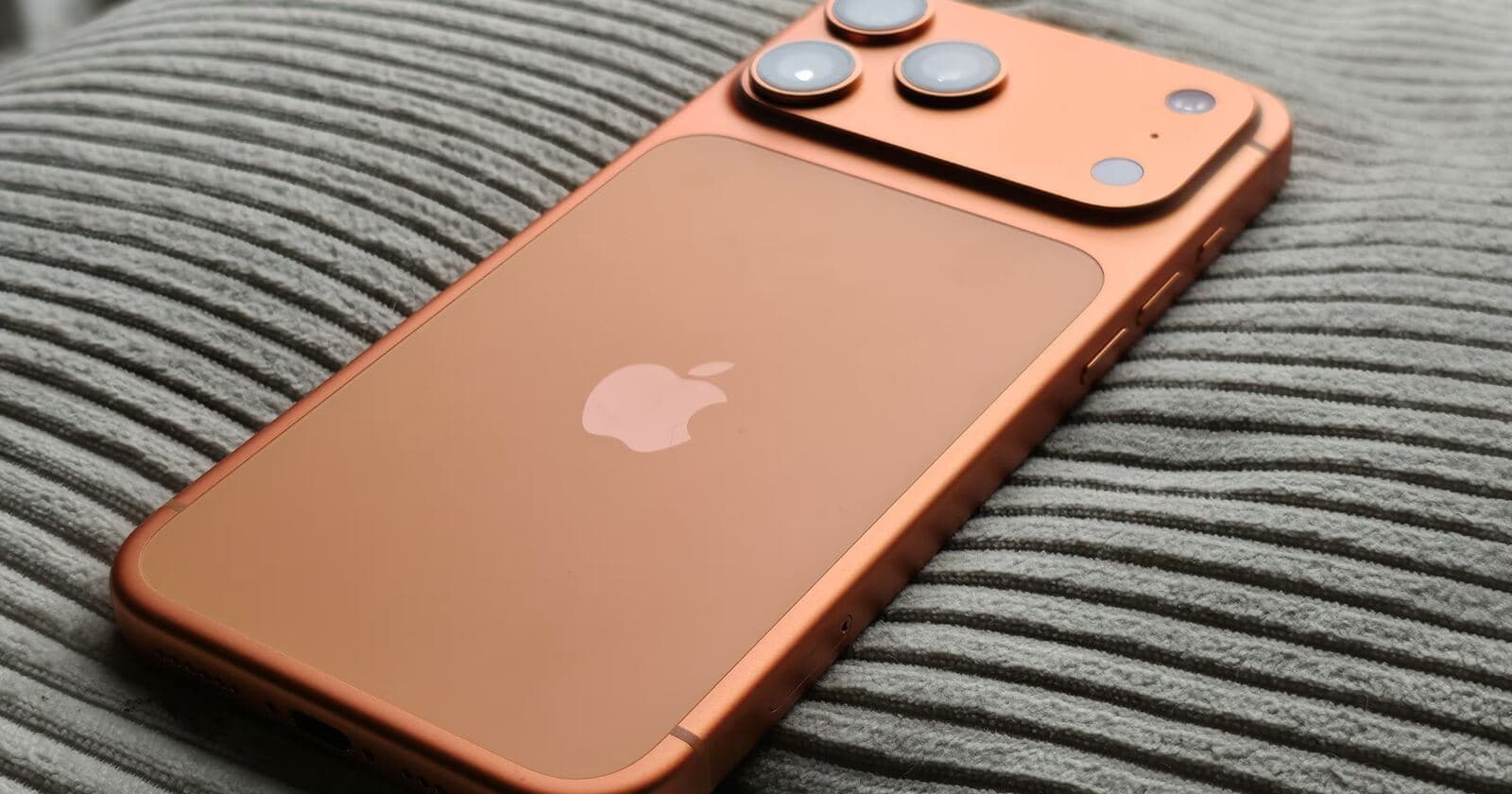
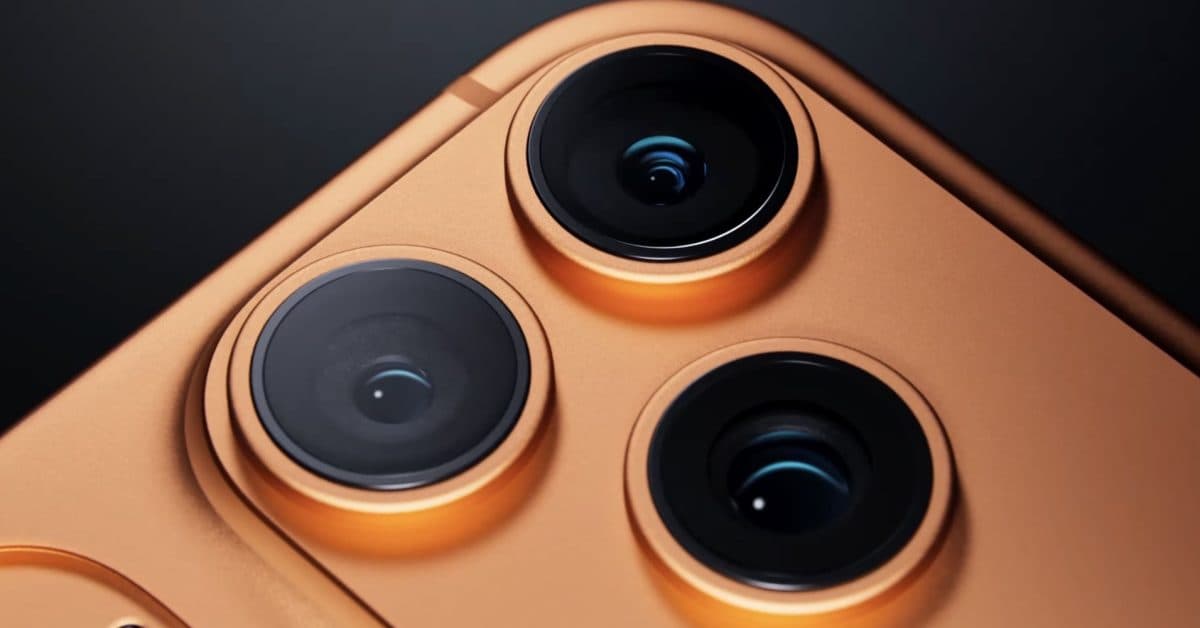
Google will officially unveil the Pixel 11 lineup on Aug. 12, and early leaks suggest the standout addition may be Pixel Glow — a multi-colored LED light on the back of the phone. But for one longtime Pixel user, the bigger question is whether Google can bring back some of the practical innovation that once defined the brand.
The source article, written by a user who has owned Pixel phones since the first model launched in 2016, argues that the lineup has started to feel stale. Google is also expected to show off a redesigned Fold, the Pixel Watch 5, and the Pixel 11 family at the event.
At the top of the wishlist is keeping the thermometer, first introduced on the Pixel 8 Pro in 2023. According to recent leaks cited by the source, the Pixel 11 Pro may drop the temperature sensor to make room for Pixel Glow. The writer says Google should eventually find a way for both features to coexist, especially if Glow expands across the broader Pixel 11 lineup.
Recommended reading
China’s AI agent phones hit a familiar roadblock
Features Google should improve
The article also argues that Pixel Glow needs to do more than light up for notifications. Suggested uses include:
- camera timer cues
- charging status indicators
- links to Android’s At a glance updates for rideshare or delivery timing
- a soft fill light for photos
Beyond that, the piece calls for more Pixelsnap accessories. Google added magnetic support with the Pixel 10 lineup, but the source says the current selection is too limited and lags behind Apple’s MagSafe ecosystem.
Another request is an AI kill switch. The writer says they use some AI features on the Pixel 9 Pro, including photo editing, Video Boost, and Gemini, but wants a way to disable AI entirely through something like “Local processing only” or “Classic mode.” The source frames that as both a privacy option and a possible battery-saving tool.
Finally, the article calls on Google to move beyond lithium-ion batteries and adopt silicon carbon, as Motorola and OnePlus already have. The source says that shift could help solve long-running battery complaints and allow higher capacities without bulk, noting that those manufacturers fit 6,000mAh to 7,300mAh batteries while Google currently tops out at 5,100mAh.

Gadgets Editor
Eli is obsessed with the tangible future. He reviews phones, wearables, and everything with a battery. Known for his rigorous testing protocols and unabashed teardowns, Eli has broken more review units than he cares to admit, all in the name of discovering the truth about durability and repairability.
via ZDNET