• 2 min read
Proton CTO says trust, not features, is what it sells
Proton CTO Bart Butler says the company’s real product is trust, backed by encryption, subscriptions, and a Swiss-based structure built to resist surveillance pressure.

Image: The Verge
Proton is best known for Proton Mail, but CTO Bart Butler says the company’s real product is something broader: trust. On The Verge’s Decoder podcast, Butler described Proton as a privacy-focused ecosystem of tools including mail, VPN, Drive, Calendar, Proton Pass, Meet, and the company’s new AI assistant, Lumo.
According to Butler, Proton tries to make that trust concrete in two ways. First, it encrypts as much user data as possible, which he said means the company cannot simply turn around and sell that information because it does not have access to it in readable form. Second, Proton relies on a subscription business model rather than ads, tying its revenue directly to users instead of data monetization.
That architecture matters because Proton is under growing political and legal pressure. The Verge notes that earlier this year, the Swiss government requested payment data that helped the FBI identify a protester linked to the Stop Cop City movement in Atlanta, Georgia, and Proton complied. Butler said the company is also prepared to reconsider its presence in Europe if surveillance laws in countries including Germany and Norway continue moving in a direction that threatens its privacy commitments.
Proton’s structure is part of that strategy. The company and its servers are based in Switzerland, partly because of the country’s geopolitical neutrality, and two years ago Proton shifted to a nonprofit structure governed by a foundation.
Recommended reading
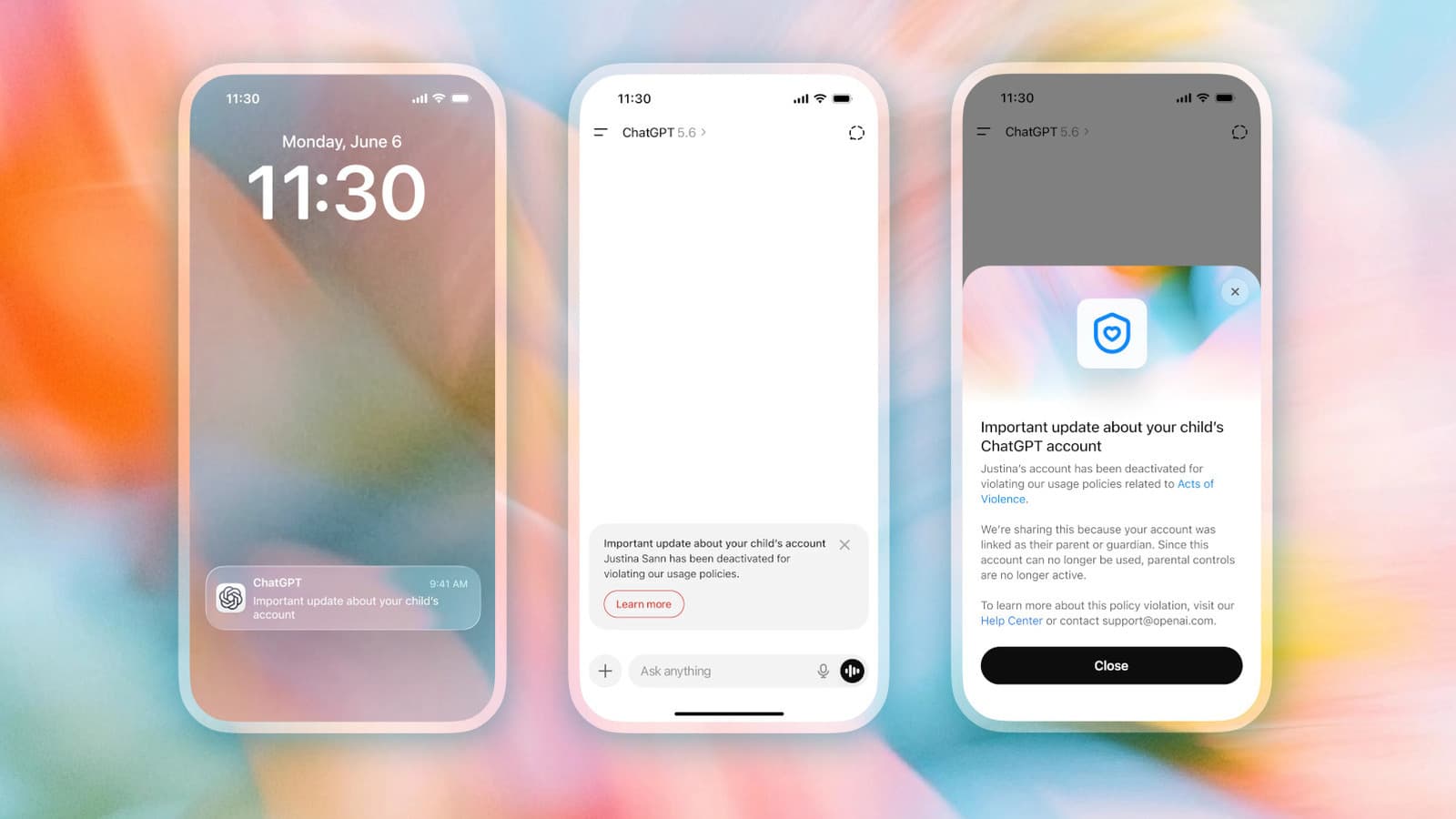
OpenAI will alert parents to teen ChatGPT violence bans
Butler argued that most users are not buying encryption as a technical concept.
“We’re selling the promise that we’re a different kind of company. We’re selling the trust — and that trust is critical.”
He also said Proton’s older products, Mail and VPN, remain its largest, while newer services such as Drive, Pass, and Calendar are growing quickly.

Security Editor
Sophia unpacks the invisible wars happening on our networks. Covering cybersecurity, privacy legislation, and cryptography, she exposes how our data is weaponized and defended. Before joining for(geeks), she spent years as a penetration tester. She's the reason the rest of the team uses physical security keys.
via The Verge