• 2 min read
Quantum’s future looks hybrid, not standalone
A TechRadar Pro Perspectives piece argues practical quantum computing will depend on tight links to classical systems, not qubit counts alone.
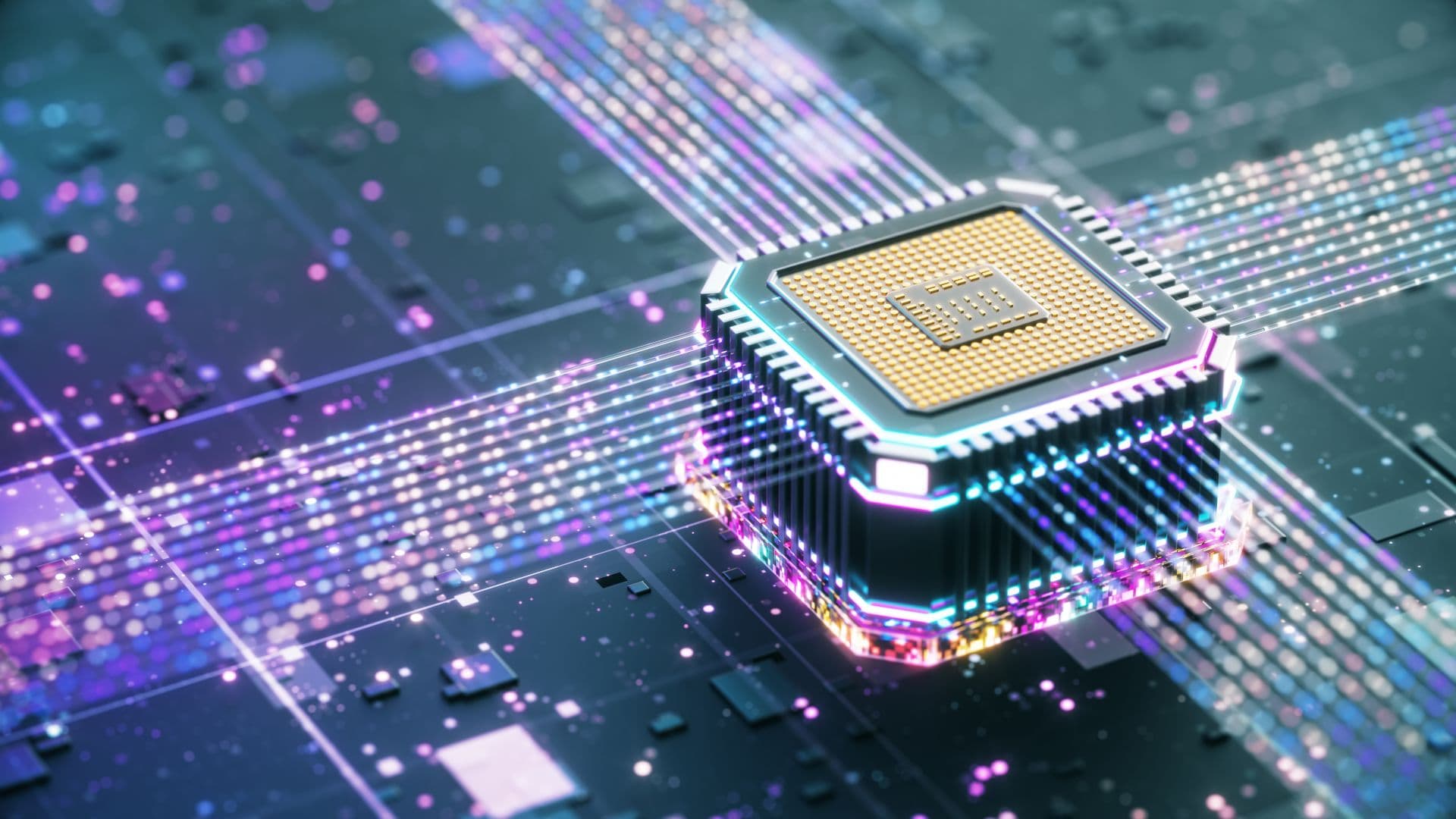
Image: TechRadar
Quantum computing will not replace classical machines. According to this TechRadar Pro Perspectives article, its practical future is hybrid: quantum processors working alongside CPUs, GPUs, and existing HPC infrastructure inside data centers.
The piece argues this is already how quantum systems operate. Classical computing is used to generate the control signals that run quantum hardware, calibrate systems by constantly retuning thousands of parameters, and handle the compute-heavy decoding required for quantum error correction. Hybrid quantum-classical algorithms also already split work between the two types of machines to tackle complex problems.
That model is expected to deepen as QPUs become specialized accelerators in broader computing workflows rather than standalone replacements for conventional hardware. The article points to a recent example from RIKEN and IBM, where scientists carried out one of the largest quantum simulations of iron-sulfur clusters through closed-loop data exchange between a co-located IBM Quantum Heron processor and RIKEN’s Fugaku supercomputer.
Quantum-classical links and software stack
The author says success will depend not just on better quantum processors, but on the performance of the connection between quantum and classical systems. Latency and bandwidth are especially important because qubits hold their state only briefly; the faster classical systems can read, process, and respond, the more work a quantum system can complete before that state is lost.
Recommended reading
DDR5 prices surge again as CPU cost hike looms
Software is another bottleneck. The article highlights the need for infrastructure, tools, compilers, and applications that can orchestrate hybrid workflows efficiently while also improving the developer experience. That includes orchestration layers that let developers calibrate and control quantum resources more like they manage HPC today, without exposing all of the underlying hardware complexity.
The piece also flags AI as a potentially important part of this hybrid future. Integrating quantum hardware into existing compute infrastructure could generate new data for AI models and provide new engines for AI inference, while AI tools themselves may help remove some of the abstraction layers that currently limit how quantum hardware is used.
For enterprises, the takeaway is straightforward: don’t judge quantum systems by qubit counts alone. On this view, control systems, error correction, and software orchestration will matter more in determining whether quantum computing can deliver reliable, repeatable results at scale.

Computing Editor
Tomas lives in the terminal. He covers chips, laptops, and operating systems with a focus on performance and efficiency. He reads kernel changelogs the way other people read fiction, and he's always on the hunt for the perfect mechanical keyboard switch. If it processes data, Tomas has an opinion on it.
via TechRadar