• 2 min read
RAM prices may peak in 2027, SK Hynix CEO warns
SK Hynix’s CEO says 2027 could be the memory industry’s worst year for supply, with pressure potentially lasting to 2030 and beyond.
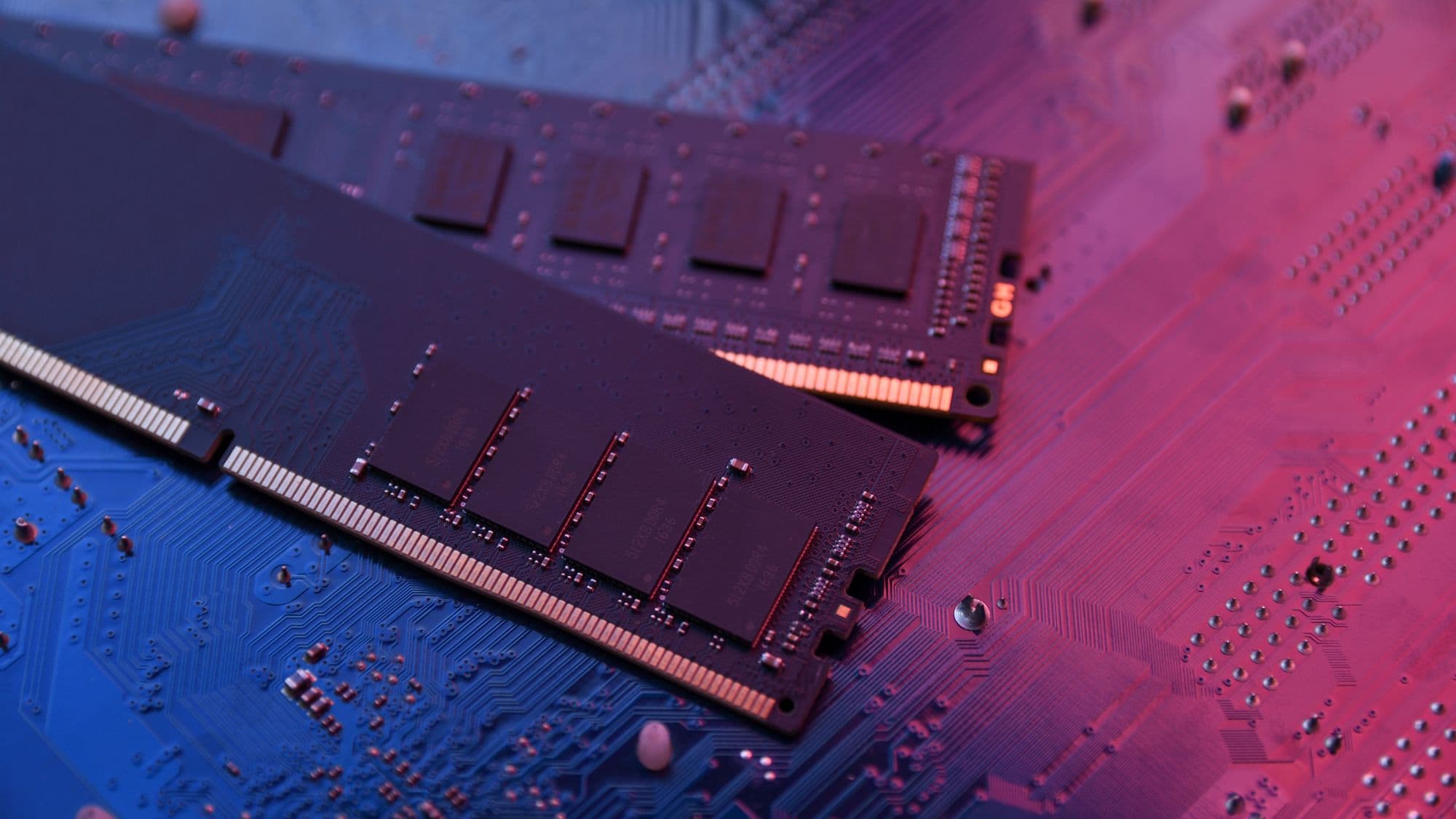
Image: TechRadar
SK Hynix CEO Kwak Noh-jung says 2027 could be the “worst year in the [memory] industry’s history” from a supply standpoint, adding to a growing stack of warnings that RAM prices may keep climbing before any relief arrives.
According to a Reuters interview cited by Android Headline, Kwak said the market is heading into an even tighter period next year. The broader outlook is bleak too: as TechRadar notes, the chairman of parent company SK Group had previously suggested meaningful relief may not come until 2030, and Kwak indicated demand could continue to outstrip supply even beyond that.
A second warning comes from Bank of America analysis, highlighted by Taiwan’s Commercial Times and picked up by Wccftech. The report questions South Korea’s recent claims about a major expansion in memory chip output by 2030. It also cites a memory industry insider in Taiwan who claims SK Hynix may add only one-sixth of its originally planned production capacity increase by 2028.
Recommended reading
Libargus brings local LLMs to Java with Panama FFM
That claim remains unverified, but if accurate it would represent a major shortfall. The Commercial Times report says new plants being built by SK Hynix and Samsung in South Korea are unlikely to be fully online by 2030, with the ramp potentially taking a full decade. On that basis, it argues realistic memory wafer capacity growth in South Korea is closer to 10% per year, or slightly less.
Diverging forecasts for RAM pricing
Not everyone agrees on the timeline. Nvidia CEO Jensen Huang has said the RAM shortage could last “quite a few years,” pointing to pressure lasting until around 2030. But others, including an AMD executive, the former head of Samsung’s semiconductor division, and Jefferies, expect pricing to start easing in 2028.
Even so, the near-term picture remains negative. TechRadar notes that Jefferies still expects significant memory price increases through the rest of this year and into 2027. It also points to Microsoft’s recent comments around Xbox price increases, where the company said it expects RAM costs to double again by the fall of 2027.
That leaves the industry with sharply different long-term forecasts, but much less disagreement about the next two years: supply looks tight, new capacity is taking time, and 2027 is shaping up as the critical pressure point.

Computing Editor
Tomas lives in the terminal. He covers chips, laptops, and operating systems with a focus on performance and efficiency. He reads kernel changelogs the way other people read fiction, and he's always on the hunt for the perfect mechanical keyboard switch. If it processes data, Tomas has an opinion on it.
via TechRadar