• 3 min read
RayNeo X3 Pro nails AR hardware, stumbles on daily use
RayNeo’s 76g X3 Pro packs a standout 6,000-nit MicroLED display, but short battery life and awkward fit make it hard to recommend at $1,169.
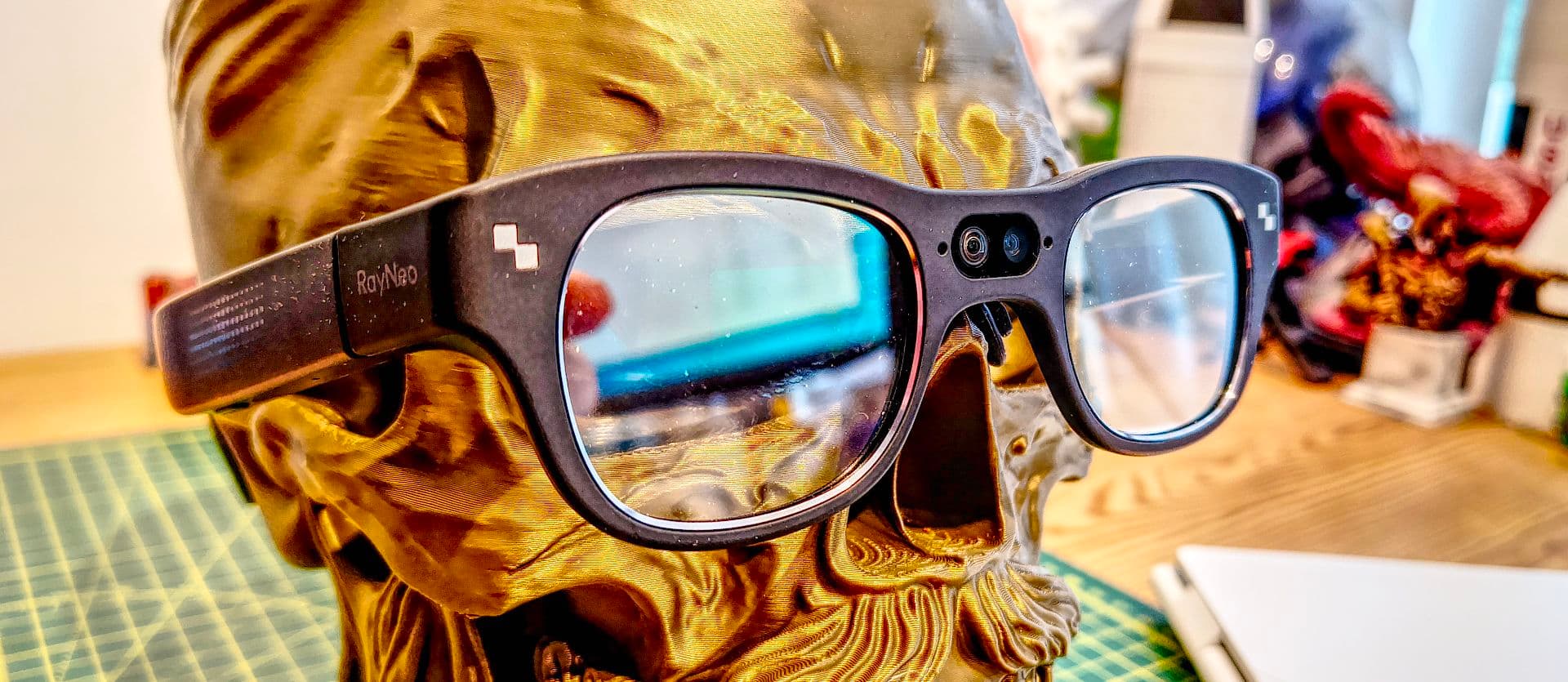
Image: TechRadar
At 76g, the RayNeo X3 Pro shows how far AR glasses hardware has come. TCL’s smart-glasses brand has built a technically ambitious standalone headset with a dual-eye full-colour MicroLED display, a Qualcomm Snapdragon AR1 Gen 1, and Google Gemini 2.5 (Beta) baked into its Android-based AIOS. But the same review that praises its display and engineering also points to the product’s biggest problems: a tiny 245mAh battery, inconsistent fit, and a price that starts at $1,169 in the US and £1,169 in the UK.
Launched globally in December 2025 after its debut in China, the X3 Pro is positioned as RayNeo’s most advanced AR glasses yet. The headline feature is the display system: 6,000 nits peak brightness, 16.77 million colours, and a virtual image equivalent to a 43-inch screen viewed from 2 metres away within a 30-degree field of view. TechRadar says it is probably the best display currently available in smart glasses, even beating the Meta Ray-Ban Display’s 5,000-nit panel.
Under the hood, the glasses pair the Snapdragon AR1 Gen 1 with 4GB LPDDR5 RAM and 32GB of storage. There’s also a 12MP Sony IMX681 camera for stills and 4K/3K video, plus a secondary monochrome camera for positioning and depth tracking with 6DoF + SLAM support.
Pricing and specs
The X3 Pro launched at $1,099 on an early-bird offer before rising to $1,299 at standard retail. At the time of writing, RayNeo was selling it directly in the United States, the United Kingdom, France, Italy, Germany, and other markets. TechRadar notes that US pricing is $1,169, while UK buyers pay £1,169 — roughly 25% more based on the exchange rate cited in the review, $1.34 to the pound.
Recommended reading
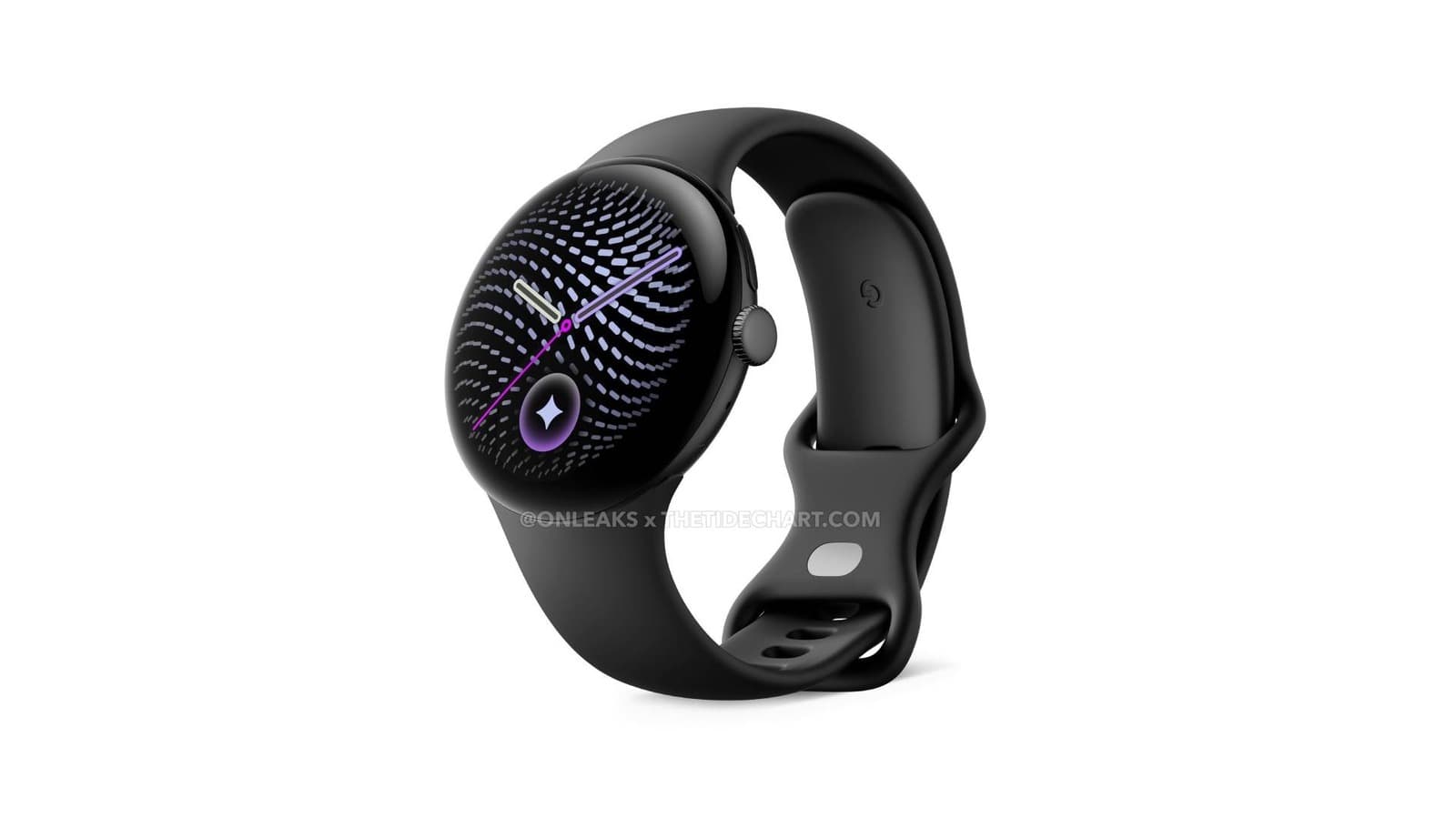
Pixel Watch 5 leak shows four colors and a $399 start
Key specs include:
- 640 × 480 resolution per eye
- 60Hz refresh rate
- Bluetooth 5.3 and Wi‑Fi 6
- Open-ear directional speakers
- Real-time translation in 14 languages with roughly 2.1-second response
- Full charge in around 38–45 minutes over USB-C
Prescription lens inserts are sold separately from around $49 / £49 through Lensology.
Fit, battery life, and software issues
The lightweight frame uses an aerospace-grade magnesium-aluminium alloy, and RayNeo says it made eleven structural optimisations to cut weight by 36% versus the X2 Pro. The glasses are lighter than the Inmo Air 3 at 119g, and only slightly heavier than the Meta Ray-Ban Display at 69g.
Still, wearability is a weak point. TechRadar says the X3 Pro’s thick Wayfarer-style frame makes it obvious that these are not ordinary glasses, and some face shapes may struggle to align properly with the display. Unlike RayNeo’s Air 3s Pro, the X3 Pro does not offer adjustable temple angles, leaving nose pad swaps as the main fit adjustment.
Battery life is the bigger issue. RayNeo claims up to five hours under light use, but the review says active tasks such as translation, video recording, navigation, or app use can cut runtime to one to two hours, and in some sessions as low as 45 minutes. A power pack can help, but TechRadar says using one over USB-C made the glasses harder to keep properly aligned.
On software, AIOS is described as responsive and fairly intuitive for the form factor, with navigation handled through a five-way touch panel and voice control via “Hey RayNeo.” But TechRadar was unimpressed by the Gemini integration, saying it defaulted to US-centric responses in the UK and got simple questions wrong.
The verdict is mixed: technically impressive, especially the display, but still clearly an early-adopter product. TechRadar scored the X3 Pro 3/5 for price, 3.5/5 for design and features, and argued that battery life alone is enough to give buyers pause.

Gadgets Editor
Eli is obsessed with the tangible future. He reviews phones, wearables, and everything with a battery. Known for his rigorous testing protocols and unabashed teardowns, Eli has broken more review units than he cares to admit, all in the name of discovering the truth about durability and repairability.
via TechRadar