• 2 min read
Russia’s cloud GPU demand jumps 507% on AI workloads
Russian companies sharply increased cloud GPU use for AI in H1 2026, with demand up 507% as shortages push more workloads into the cloud.
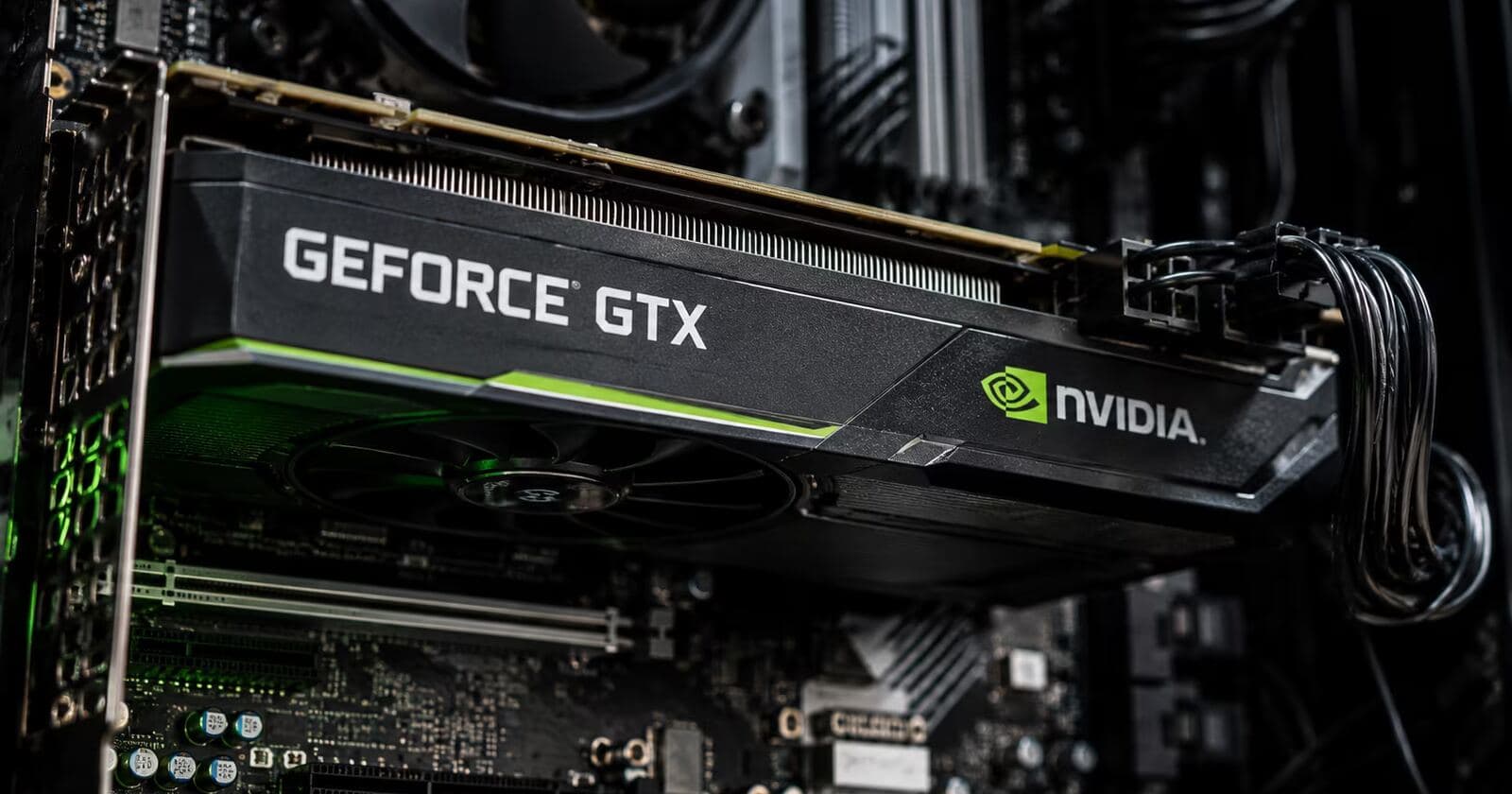
Image: ITzine
Russian companies are rapidly scaling up their use of cloud GPUs for AI workloads. According to Reg.Cloud, consumption of this infrastructure in the first half of 2026 rose by 507%, while new connections increased by 160% and user activity climbed 240%.
The shift suggests AI has moved beyond pilot projects and into routine business operations. Companies are now embedding models into customer support, document processing, anti-fraud systems, speech analytics, and computer vision. In that setup, cloud-based graphics processors are no longer something to test occasionally—they are becoming part of day-to-day infrastructure.
Demand has also been amplified by a shortage of more powerful accelerators. The source says simpler cards for applied workloads are still available, but hardware suitable for training large models is much harder to secure. As a result, companies are increasingly breaking one large task into several specialized systems instead of trying to run everything through a single neural network.

Recommended reading
AWS bug flashed trillion-dollar cloud bills
The most widely used option among Reg.Cloud customers is the NVIDIA A4000, used by 63% of companies. By summer, the average bill for GPU servers had risen to 2.3 million rubles, and the number of customers spending more than 500,000 rubles per month on that capacity had more than doubled.
For many AI applications, a standard cloud server is no longer enough. Systems that answer customers, detect anomalies in payments, or recognize speech can quickly burn through computing budgets on general-purpose hardware. GPUs, in this context, are less a premium add-on than a practical requirement: they speed up processing and let companies scale without building their own server farms.
That pressure is particularly visible in Russia, where the choice of high-end accelerators remains limited. After some foreign suppliers exited the market and procurement became more complicated, companies have become more dependent on whatever cloud capacity is available immediately rather than hardware that might arrive months later.
The trend mirrors what has already happened globally, where cloud providers have spent years buying up NVIDIA accelerators and building dedicated clusters for generative AI. The Russian market appears to be moving through the same phase at a faster pace, as many companies do not have time to assemble their own infrastructure from scratch. If current demand holds, cloud providers are likely to keep raising prices on scarce configurations and dedicate more capacity to larger models. That would push AI projects further into a straightforward business calculation: the cost of every query and every trained model.

Enterprise Editor
Marcus follows the money. He covers enterprise software, cloud architecture, and the tectonic shifts in Big Tech strategy. He translates dense earnings calls and complex M&A activity into actionable insights about where the industry is actually heading. If a tech giant makes a silent pivot, Marcus is usually the first to notice.
via ITzine