• 2 min read
Ryugu asteroid samples contain all DNA and RNA nucleobases
Scientists have discovered that samples from the Ryugu asteroid contain all the nucleobases necessary for DNA and RNA, shedding new light on how the essential ingredients for life might form in space. This finding suppor
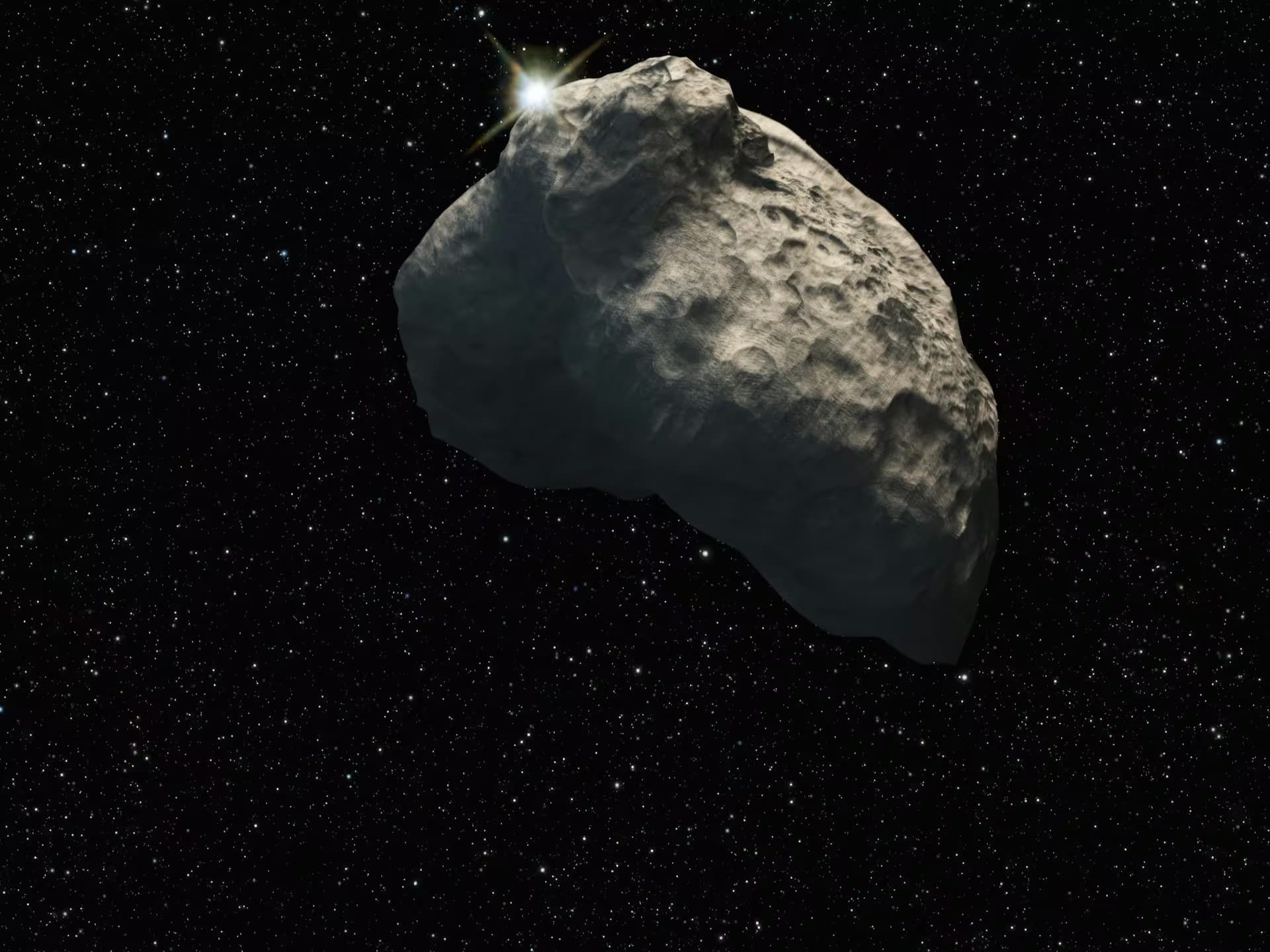
Image: NotebookCheck
Scientists have discovered that samples from the Ryugu asteroid contain all the nucleobases necessary for DNA and RNA, shedding new light on how the essential ingredients for life might form in space. This finding supports the idea that key organic molecules could have been delivered to early Earth via asteroids, potentially kickstarting the chemical evolution that led to life.
Nucleobases detected in Ryugu asteroid samples
Ryugu (asteroid 162173) is a carbon-rich, water-bearing space rock with minerals and organic compounds. It is considered a primitive asteroid, shaped somewhat like a spinning top, likely formed from fragments of a larger body. In 2014, Japan’s Hayabusa2 spacecraft was launched to study Ryugu; it collected samples and returned them to Earth, where initial analysis revealed uracil, one of the nucleobases used in RNA.
New research has gone further, identifying all nucleobases fundamental to DNA and RNA within these samples. Similar discoveries were made earlier with samples from asteroid Bennu (101955), suggesting that complex organic molecules might be relatively common in carbonaceous asteroids. The presence of ammonia was another notable find, hinting at rich chemical pathways in space.
Implications for the origin of life on Earth
While these results do not prove life originated in space, they reinforce that the raw chemical components for life can naturally form beyond Earth. This finding bolsters theories that asteroids and comets could have delivered important organic molecules to our planet, contributing to the emergence of life.

Recommended reading
Apple broadens OpenAI fight as hardware ambitions grow
Carbon-rich asteroids as time capsules for early solar system chemistry
Carbon-rich asteroids like Ryugu and Bennu are key targets for research because they act as time capsules preserving early solar system chemistry. Understanding the distribution and complexity of organic molecules in such bodies helps scientists piece together the prebiotic chemistry that led to life on Earth, and may guide future missions searching for life’s building blocks elsewhere in the solar system.

AI Editor
Ava covers the rapidly evolving world of artificial intelligence, from foundational models and research labs to the real-world economics of intelligence. With a background in computational linguistics, she cuts through the hype to find out what actually works. She firmly believes that benchmarks are just marketing until reproduced in the wild.
via NotebookCheck